Messenger

Childhood Headaches: When It’s More Than Just a Minor Pain

July 08 / 2026

headache in children


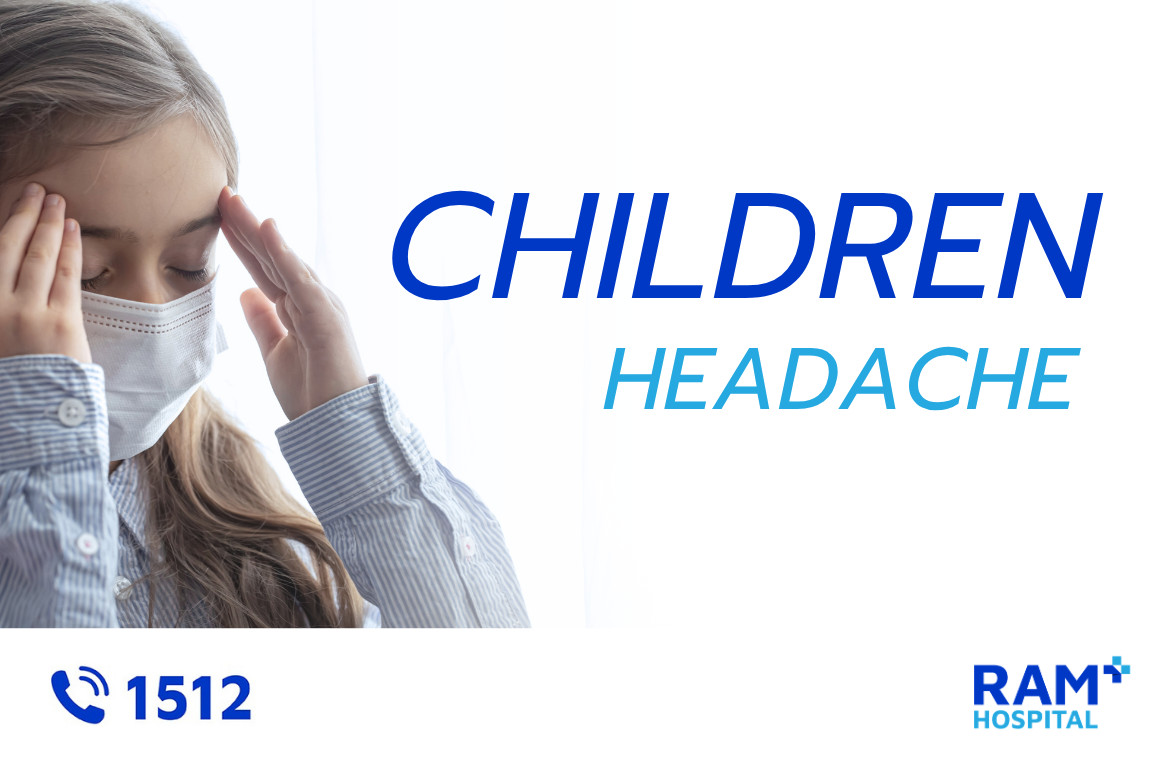
     Headaches in children are one of the most common problems found, and most of them have non-severe causes such as a fever, sinusitis, or a tension headache (Tension headache). However, headaches in children can also stem from dangerous causes. Therefore, parents and guardians should pay close attention and not ignore their child's headaches.


What causes headaches in children?

Headaches in children can be divided into 2 types:


1.  Primary Headache (Primary headache)

     These are headaches with no clear underlying cause or structural pathology, such as migraines or tension-type headaches (Tension typed headache)


Child HeadacheChild Headache


2. Secondary Headache (Secondary headache)

These are headaches caused by an underlying medical condition or pathology. They may stem from non-serious conditions, like a fever or a sinus infection causing a headache, or dangerous conditions such as:


  • Central nervous system infection (CNS infection) 
  • Nervous system tumors or brain hemorrhage
  • Increased intracranial pressure (Increased intracranial pressure) 


Headaches in Children: Parents Should Never Ignore Them

If your child experiences a headache with any of the following characteristics, see a pediatrician immediately:

 

  • Sudden, severe headache—which could indicate a brain hemorrhage.
  • Accompanied by other neurological symptoms: seizures, weakness, lethargy, unstable gait, or double vision. A simple way to remember is: “Seizure, Weakness, Lethargy, Unstable, Double Vision”
  • Chronic headache that worsens continuously, or severe pain accompanied by vomiting.
  • Headache severe enough to wake them up at night (awakening pain) or waking up with intense head pain.
  • Headache that intensifies when coughing, sneezing, or straining.


ลูกปวดหัว


How can you tell if a headache is dangerous?

Diagnosis is usually based on medical history and a physical examination. Further investigations are performed if the history and physical findings raise suspicions of a dangerous brain condition.


  • Brain Imaging (CT scan or MRI): Considered when history and physical examinations suggest a brain pathology, such as a brain tumor or hydrocephalus (fluid accumulation in the brain).
  • Lumbar Puncture (Spinal Tap): Considered when meningitis infection or Idiopathic Intracranial Hypertension is suspected. (Idiopathic Intracranial Hypertension)


How is each type of headache in children treated?

  • For sudden but mild headaches: If it does not disrupt daily life and has an understandable cause (such as a fever, hot weather, lack of sleep, or after hearing a loud noise), paracetamol paired with bed rest and close observation can be considered. If symptoms do not improve, consult a doctor.
  • For sudden and severe headaches: Or sudden headaches combined with the warning signs described above, see a physician immediately.
  • For chronic headaches (lasting more than 15 days): Seek medical attention promptly to find the root cause and receive a proper diagnosed treatment.


A prolonged headache can be a sign of a serious illness that could lead to fatal consequences.