พญ. TUANGPORN TURONGSOMBOON, M.D.
Pediatric Pediatric Infectious Disease



Monkeypox or Mpox is not a new disease, but an infectious viral disease in the same family as smallpox. It can spread from animals to humans and from human to human through close contact. Currently (in 2026), Thailand has seen a rising outbreak of the Clade Ib strain.
Monkeypox or "Mpox" is a viral infection that causes skin rashes and blisters accompanied by fever, swollen lymph nodes, and flu-like symptoms. Originally a disease transmitted from animals to humans, it now primarily spreads between humans through close physical contact and sexual contact.
The monkeypox virus was first discovered in laboratory monkeys in 1958, and the first human case was identified in the Democratic Republic of the Congo in 1970. For decades, the disease was endemic to Central and West Africa, with cases outside Africa typically linked to travel to endemic areas or contact with imported infected animals.
In 2022, the situation shifted dramatically as cases spread worldwide across Europe, the Americas, and the Western Pacific, without travel history to Africa or contact with sick animals. The World Health Organization (WHO) declared it a Public Health Emergency of International Concern (PHEIC) on July 23, 2022.
Most recently in Thailand, transmissions of the Clade Ib strain have steadily increased, surpassing the original strain (Clade II). This strain is under close monitoring by the World Health Organization as it spreads in several countries, particularly posing a higher risk of severe symptoms for individuals living with HIV.
A: Patients usually present with fever, headache, muscle aches, fatigue, and a key diagnostic symptom:
swollen lymph nodes, often found on the neck, groin, or behind the ears.
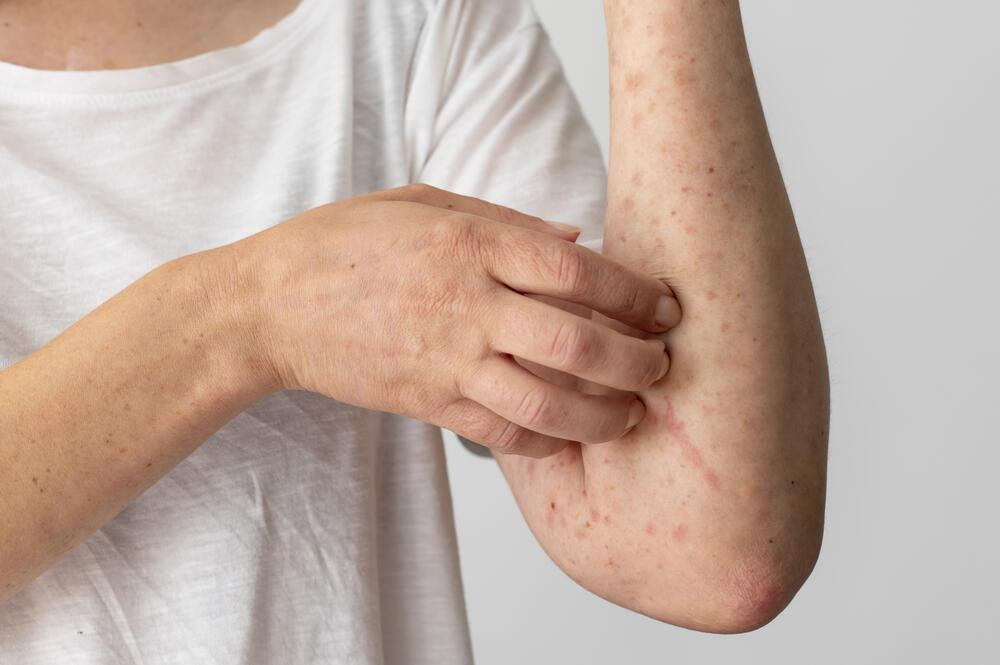
A: About 1-3 days after the fever starts, rashes begin to appear on the face, trunk, limbs, and genital area.
A: It starts as flat red spots, then develops into raised bumps filled with clear fluid, and later turns into cloudy pustules. In the final stage, the bumps crust over, form scabs, and fall off as new skin forms. Patients remain contagious until all scabs have completely fallen off.
Most transmissions occur through direct skin-to-skin contact with lesions or sexual contact. The best prevention measures include:
Pediatric Pediatric Infectious Disease

Infectious Diseases

Infectious Disease