
ผศ.พญ. NATHA CHONGPISON
Oculoplastic and orbit



Glaucoma is a condition characterized by the degeneration of the optic nerve, which impairs its ability to transmit visual signals. When visual signals cannot be sent, it results in a loss of vision. Generally, patients with glaucoma often have higher intraocular pressure than normal, which is the primary cause of optic nerve damage.
In the early stages, there are no noticeable symptoms. Later, once more than 40 percent of the optic nerve is damaged, patients will begin to experience vision loss, with their field of vision gradually narrowing. If left untreated, the optic nerve will continue to slowly deteriorate until it eventually leads to complete blindness.
When evaluating patients who are suspected of having this disease, the initial examinations include:
The doctor will examine the internal structures of the eye for signs consistent with glaucoma, such as an optic nerve cupping that appears larger than normal because the nerve fibers have been compressed or destroyed.
This is done to identify blind spots and determine whether the nerve cells in specific areas are still functioning.
Also known as an OCT scan, this technique uses an infrared laser to measure the thickness of the optic nerve layer or to check if the cells responsible for vision are still intact. All collected data is then evaluated collectively to determine if the patient has glaucoma.

Risk factors that contribute to the development of glaucoma include:
This disease can affect individuals ranging from newborns to the elderly. The most commonly affected group consists of older adults, particularly those over the age of 40. Furthermore, individuals with severe nearsightedness or farsightedness also carry a higher risk of developing glaucoma in the future.

The goal of treatment is to reduce intraocular pressure, thereby preventing and halting further optic nerve damage caused by glaucoma, as portions of the optic nerve that are already lost cannot be restored. This can be achieved through several methods, including:
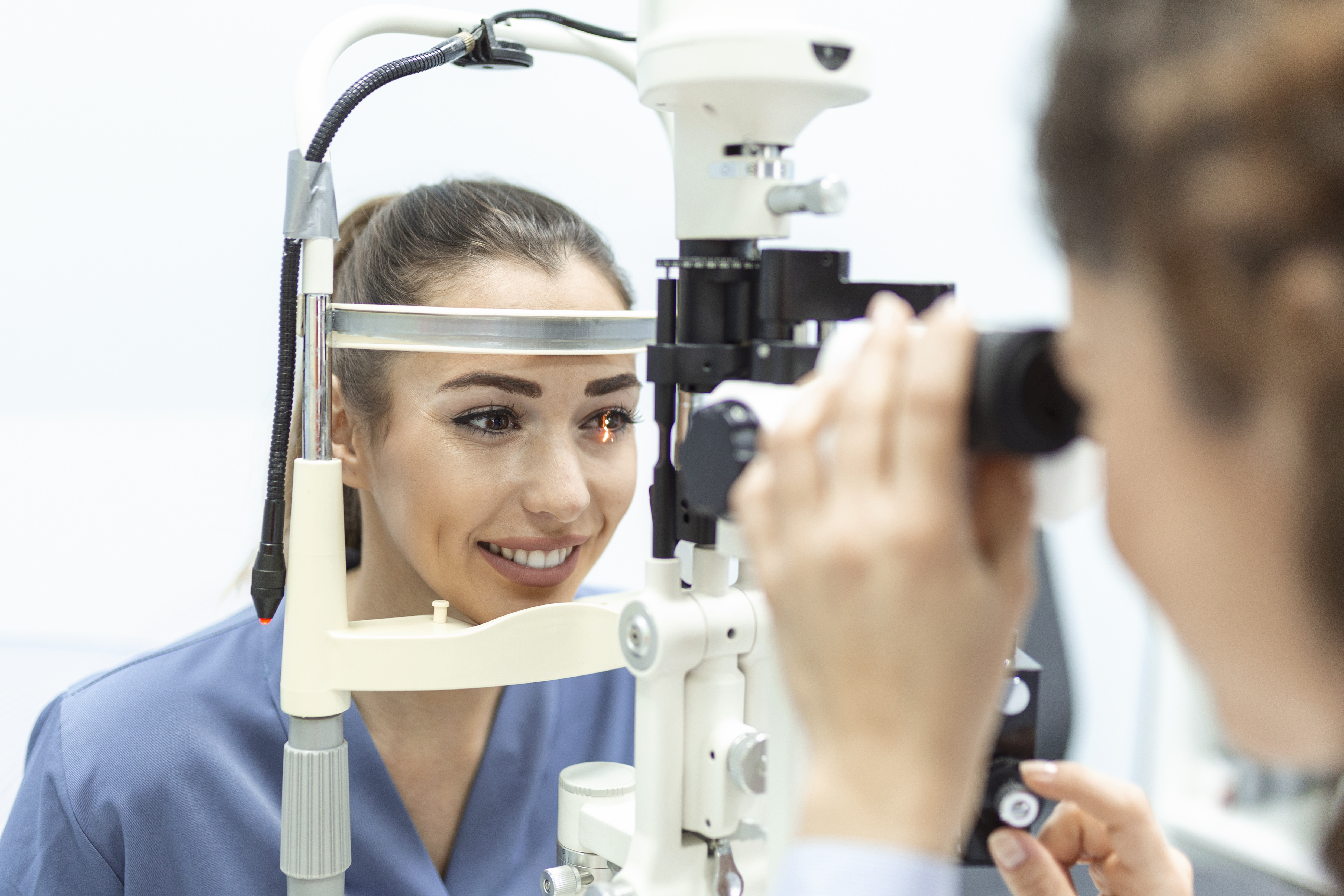
Glaucoma poses a significant danger to our eyes. Without proper care and attention to our ocular health, there is a serious risk of permanent vision loss. In addition to regular eye examinations
Individuals aged 40 and above, along with those who present the risk factors mentioned earlier, should undergo screening for intraocular pressure and an evaluation of the optic nerve at least once a year. Follow-up examinations may be scheduled according to the physician's recommendations. If any abnormality is detected, treatment can be administered promptly.
Edited
01/09/2023
Oculoplastic and orbit

Retina and Vitreous

Ophthalmology


