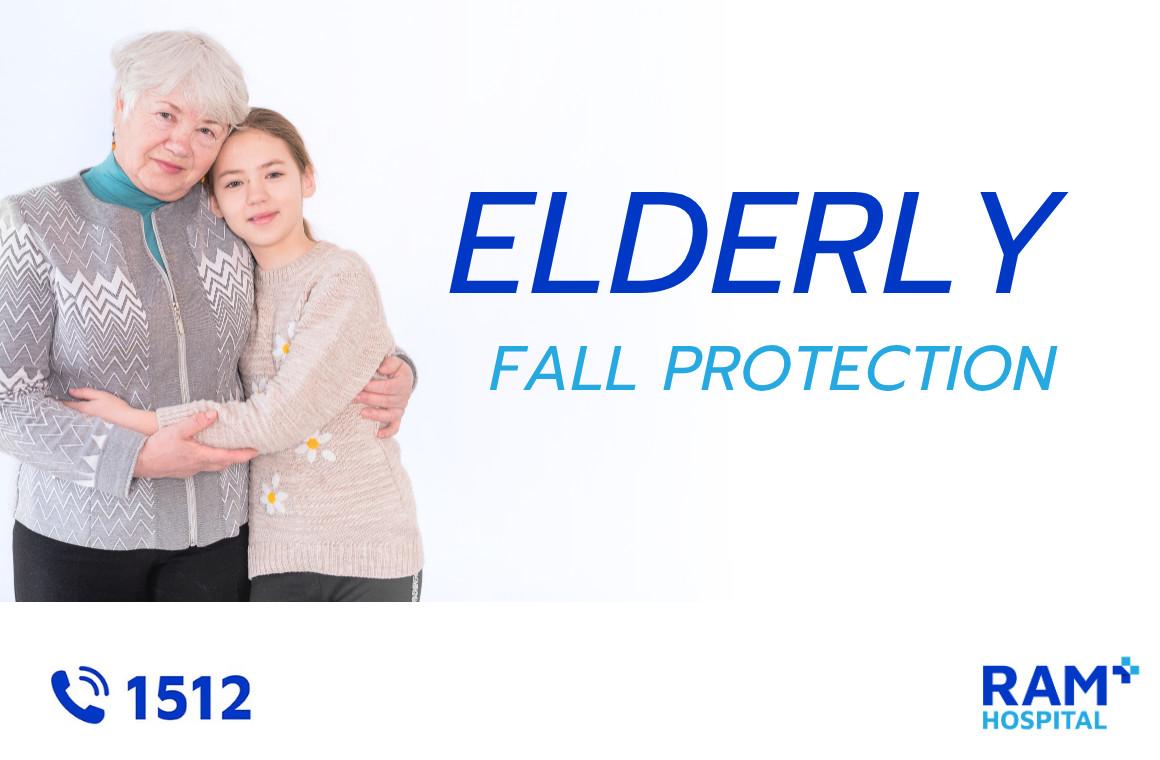
Many might think that falling is a common occurrence that can happen to anyone. However, did you know that for elderly people, falling is no trivial matter? It can have serious, even life-threatening consequences.
What Makes Elderly People More Prone to Falls?
- Deterioration of the Body: Weak muscles, osteoporosis, poor vision, and balance issues.
- Chronic Diseases: Conditions like heart disease, high blood pressure, diabetes, and osteoporosis increase the risk of falling.
- Medications: Some medications have side effects like dizziness or low blood pressure.
- Environmental Factors: Uneven flooring, insufficient lighting, unstable furniture, and stairs without handrails.
Why Are Falls So Dangerous for the Elderly?
- Aging Body: Elderly people have fragile bones and weaker muscles, making it difficult to maintain balance, thus increasing the risk of falls.
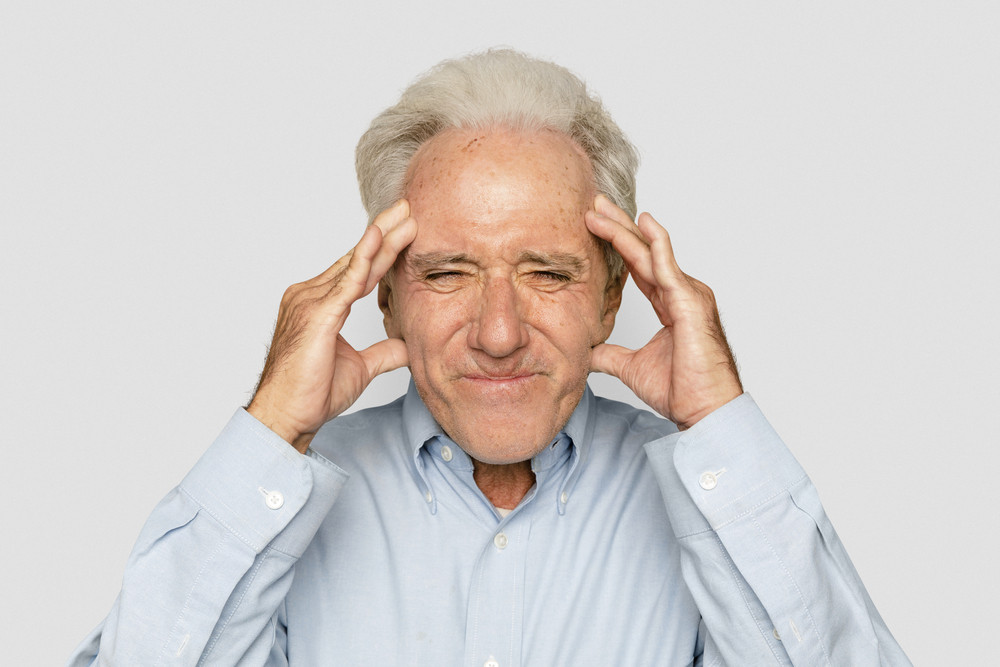
- Severe Injuries: When elderly people fall, they are more likely to sustain serious injuries such as fractures, head trauma, or even death.
- Mental Health Impact: Falls can also affect their mental health, leading to fear of walking and reduced quality of life.
How Can We Help Prevent Falls in the Elderly?
- Health Care: Regular health check-ups for vision, balance, muscles, and bones.
- Exercise: Helps strengthen muscles and improve agility.
- Assistive Devices: Using canes or walkers can help with balance.
- Proper Footwear: Choose well-fitting, comfortable, non-slip shoes.
- Slow Movements: Get up slowly to prevent dizziness.
- Environmental Adjustments: Ensure floors and walkways are even, provide adequate lighting, use doorknobs or lever handles, install grab bars in bathrooms, and use non-slip toilet seats.
Falls among the elderly are a significant issue, but they can be prevented with attention and cooperation from both the elderly and their families. This ensures that the elderly can have a good quality of life and live happily. Let's work together to keep our elderly family members safe from falls.