
RAM Hospital Group, one of Thailand's leading private hospital networks, continues to grow strongly with over 37 years of experience and more than 46 partner hospitals nationwide. Aiming to build the 2nd largest hospital network in Thailand, it provides high-standard medical services across all specialties with advanced technology and expert medical teams, continuing the vision of its founders.
Under the vision "Meeting Every Need, Expert in Every Care," allowing Thai people access to international-standard medical services, with an expected growth of 40% compared to the previous year.
Backed by increased shareholding in partner hospitals, the group is rebranding to cater to younger generations who focus more on holistic health care. It aims to be a comprehensive regional medical institute ready to support health in every dimension of life, rather than a hospital focusing solely on disease treatment. The group is also building a comprehensive Healthcare Ecosystem to support Thailand's goal of becoming a regional Medical Hub attracting patients worldwide.
Dr. Pitchaya Somburanasin, Chairman of the Executive Committee of Ramkhamhaeng Hospital Public Company Limited, stated that over the past 37 years, RAM Hospital Group has proven its resilience in standing strong through various crises, especially the COVID-19 pandemic. With a solid foundation, we not only care for patients effectively but also achieve continuous growth driven by medical excellence and our unwavering commitment to advancing healthcare capabilities.
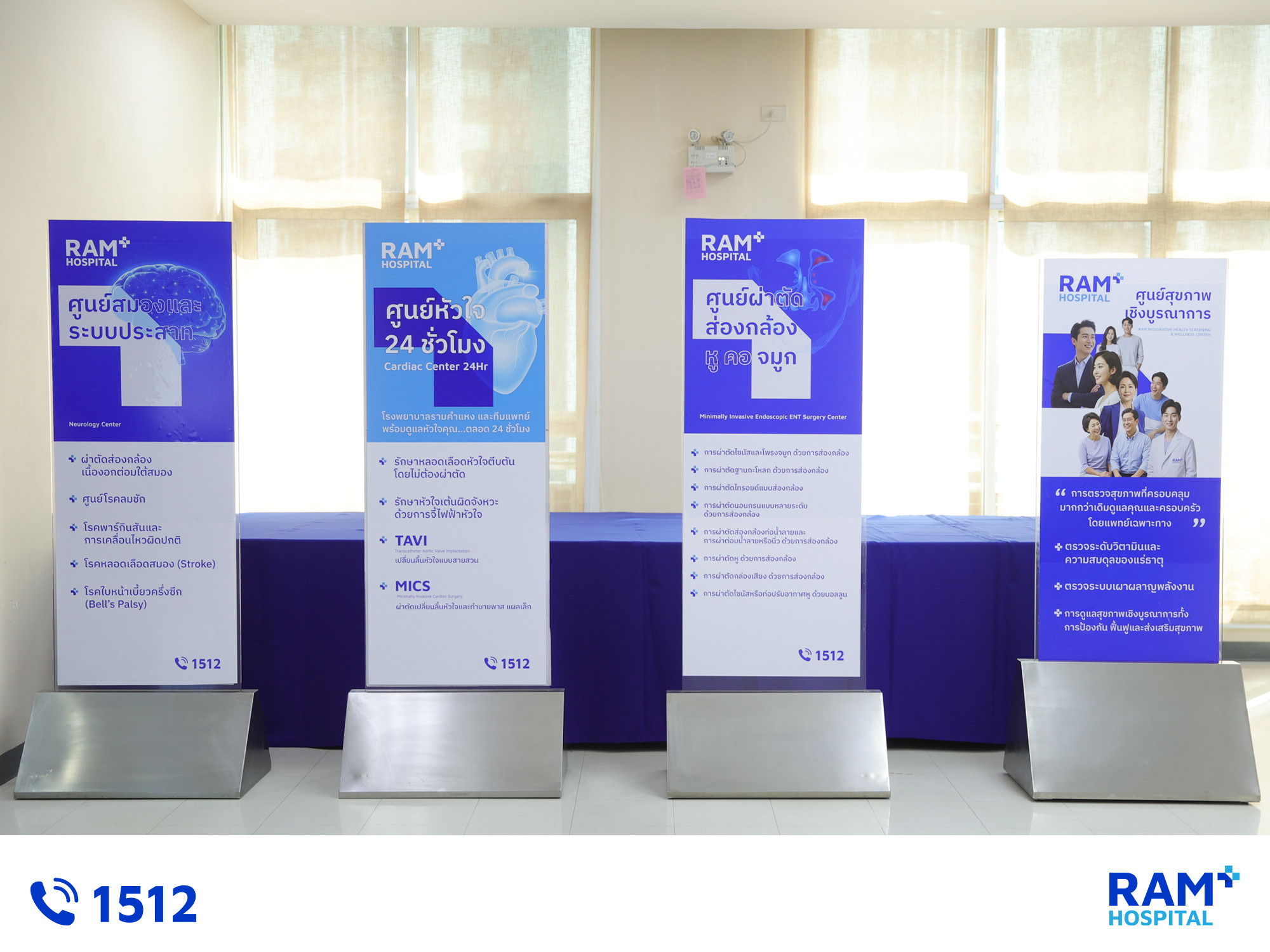
Particularly establishing Centers of Excellence (Centers of Excellence) that are diverse and state-of-the-art, such as the Heart Center, where we specialize in non-surgical treatment of coronary artery occlusion, arrhythmia management, and cardiopulmonary rehabilitation for comprehensive patient care. Additionally, we have long-renowned centers such as the Brain and Nervous System Center and the ENT Endoscopic Surgery Center.
RAM Hospital Group also integrates high-performance technologies to elevate medical services for fast, precise, and safe treatment outcomes, including:
Expanding services into Preventive care and overall Wellness to meet modern health trends.
At the same time, expanding partner networks creates synergies through joint investments with leading partner hospitals nationwide, such as Vibharam Hospital, Thonburi Hospital, Synphaet Hospital, and Vibhavadi Hospital, all of which are certified with international standards (Joint Commission International: JCI), AACI, and HA standards.
This provides a strong patient referral network, ensuring patients receive end-to-end and targeted care. This capability enables RAM Hospital Group to step up as an important Medical Hub in Thailand. Currently, international patients, particularly at Chiang Mai Ram Hospital and Sukhumvit Hospital, place their trust in us, reflecting our readiness to serve international clientele.
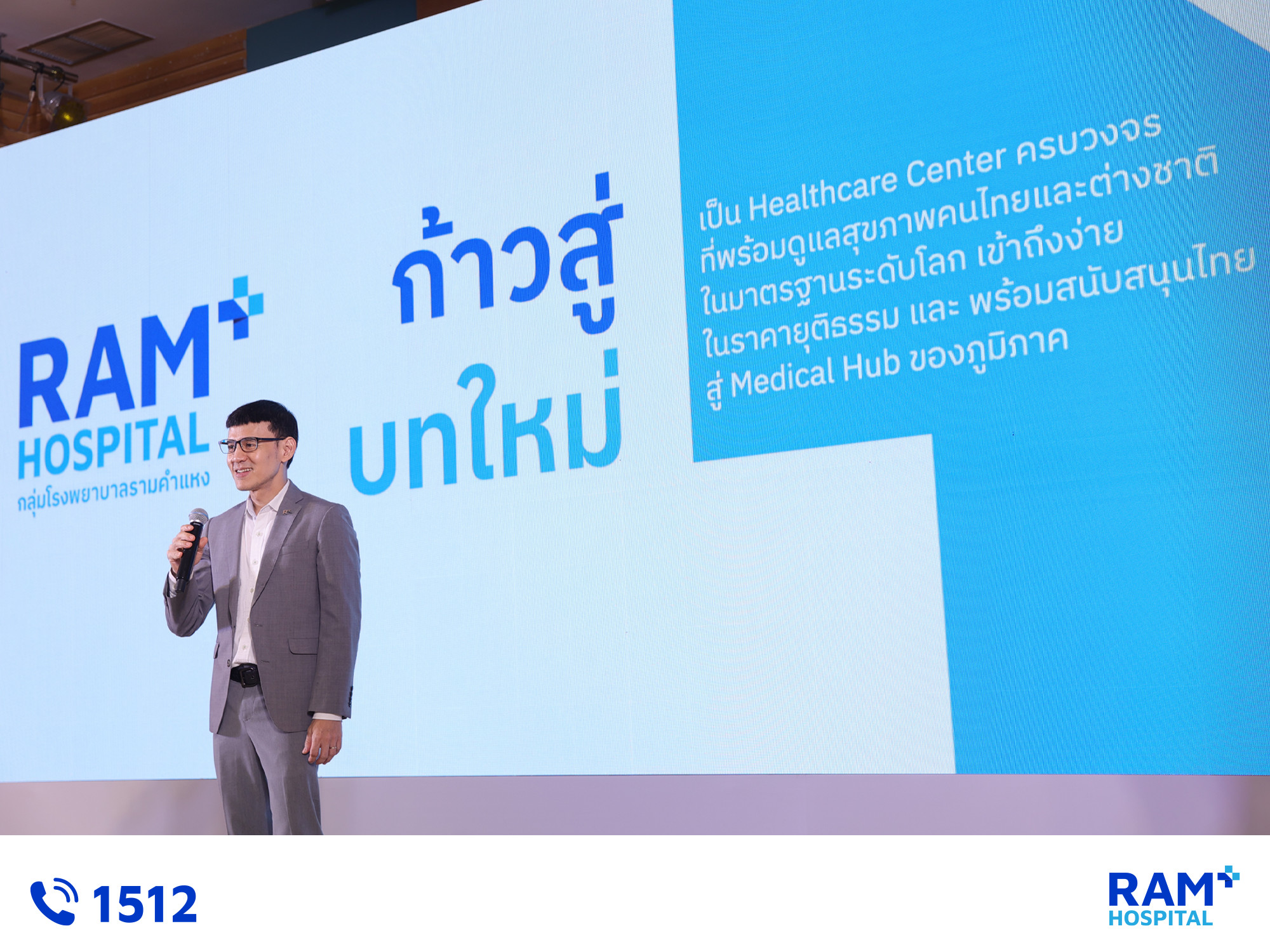
"Our goal goes beyond being a comprehensive medical center; it is to elevate Thailand's public health standards with a focus on well-being through preventive, health-promoting, and rehabilitative medicine so that Thai people enjoy healthier and longer lives. With a strong network of 46 leading hospital partners nationwide and over 7,800 beds, we are confident that moving forward and continuously enhancing capabilities will drive Thailand to become a leading regional Medical Hub capable of attracting global users, generating revenue and reputation for the nation," Dr. Pitchaya said.

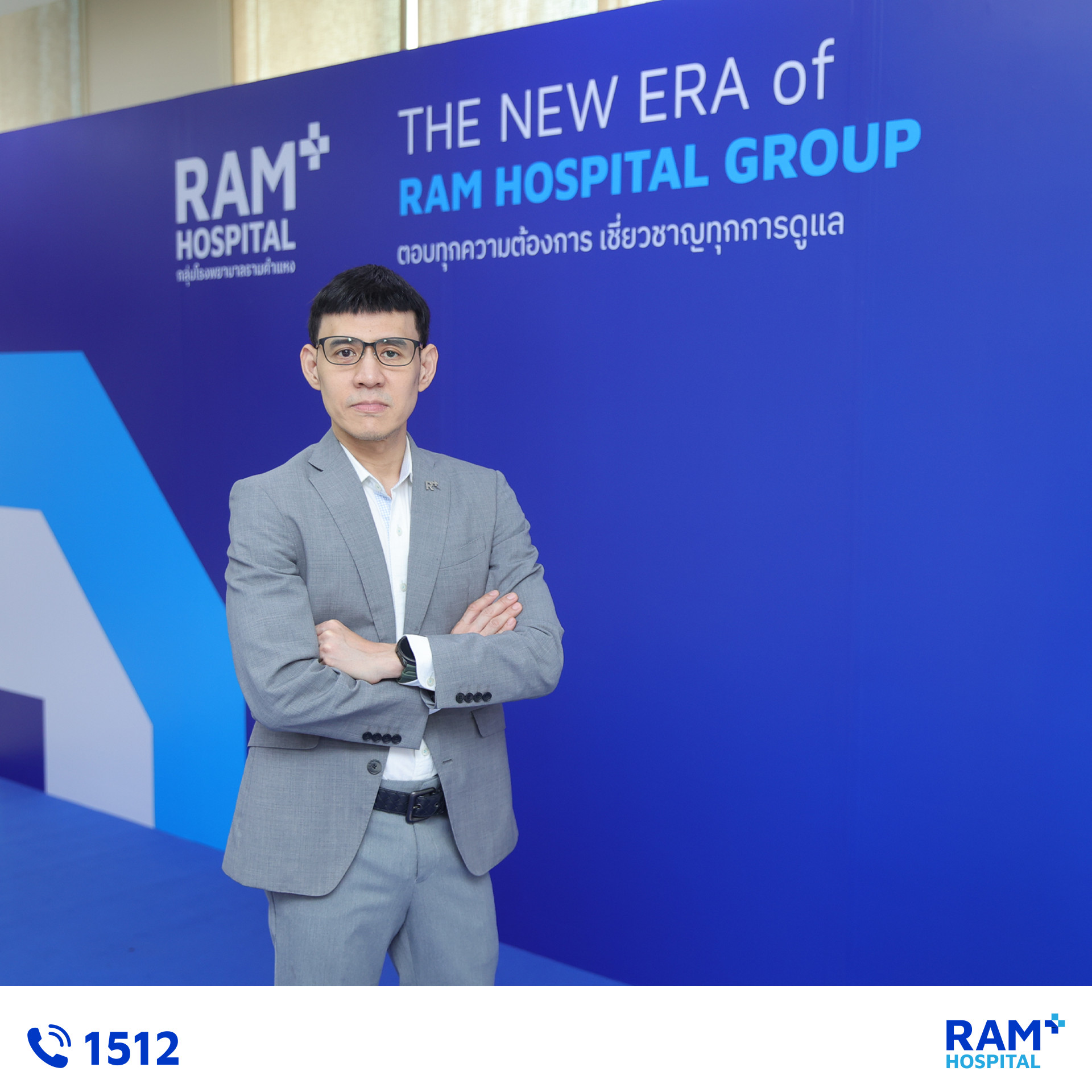
Dr. Rukkee Kanjanapitak, Chief Executive Officer of Ramkhamhaeng Hospital Group and subsidiaries, stated that we remain committed to the founder's vision of prioritizing public care for patients in every group and region across Thailand, covering Universal Health Coverage (30-baht scheme), Social Security, and self-pay patients.
Under the vision "Meeting Every Need, Expert in Every Care," we integrate business perspectives for sustainable growth. Furthermore, we continue investing through Brownfield projects, M&A, and Strategic Partnerships.
By focusing on investing in subsidiary companies to enhance capabilities and drive sustainable growth, we recently increased our shareholding in Thonburi Hospital Group. Consequently, RAM Hospital Group now comprises 46 hospitals nationwide with over 7,800 total beds, standing as Thailand's 2nd largest private hospital group leader. We project network-wide growth of 40% this year compared to the previous year.
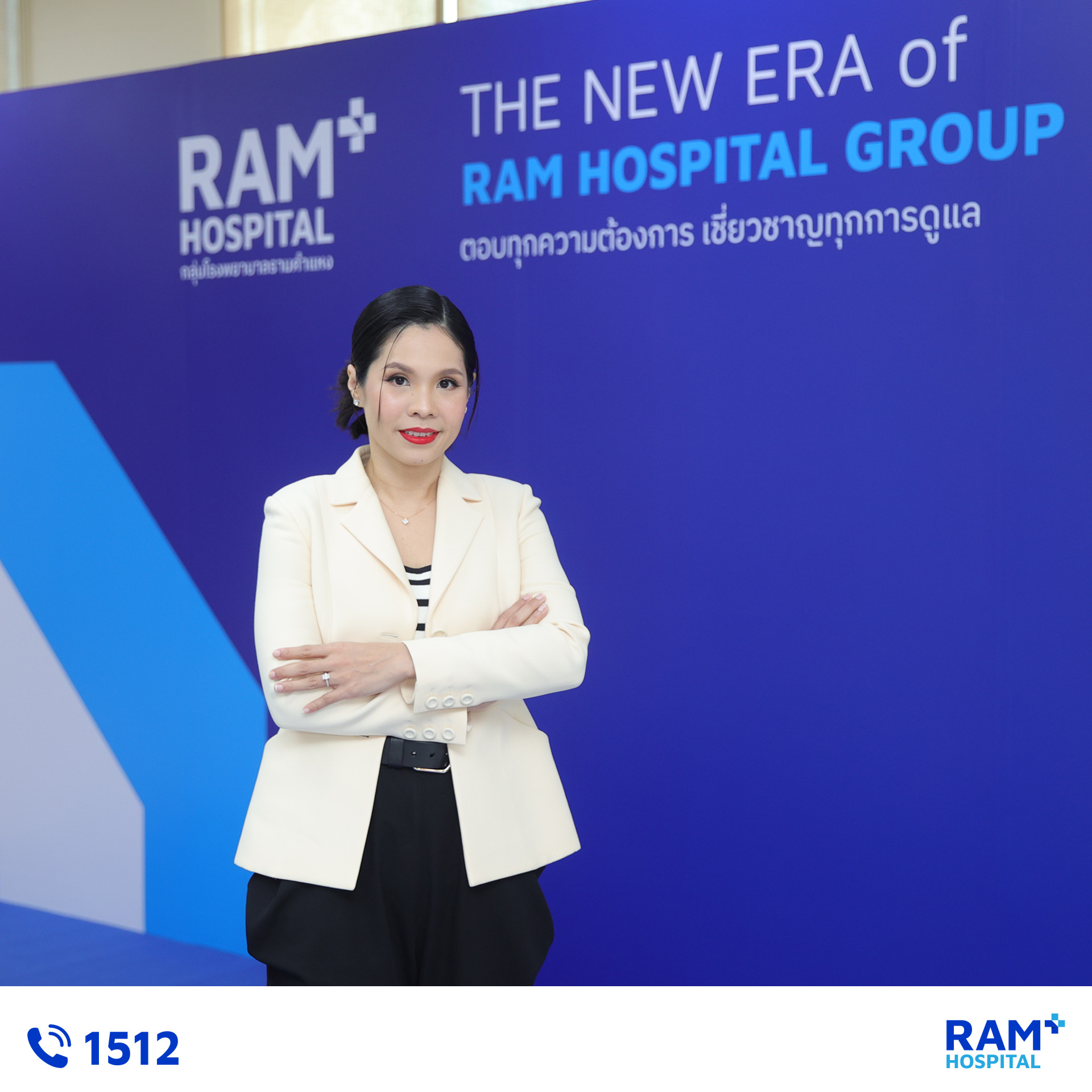
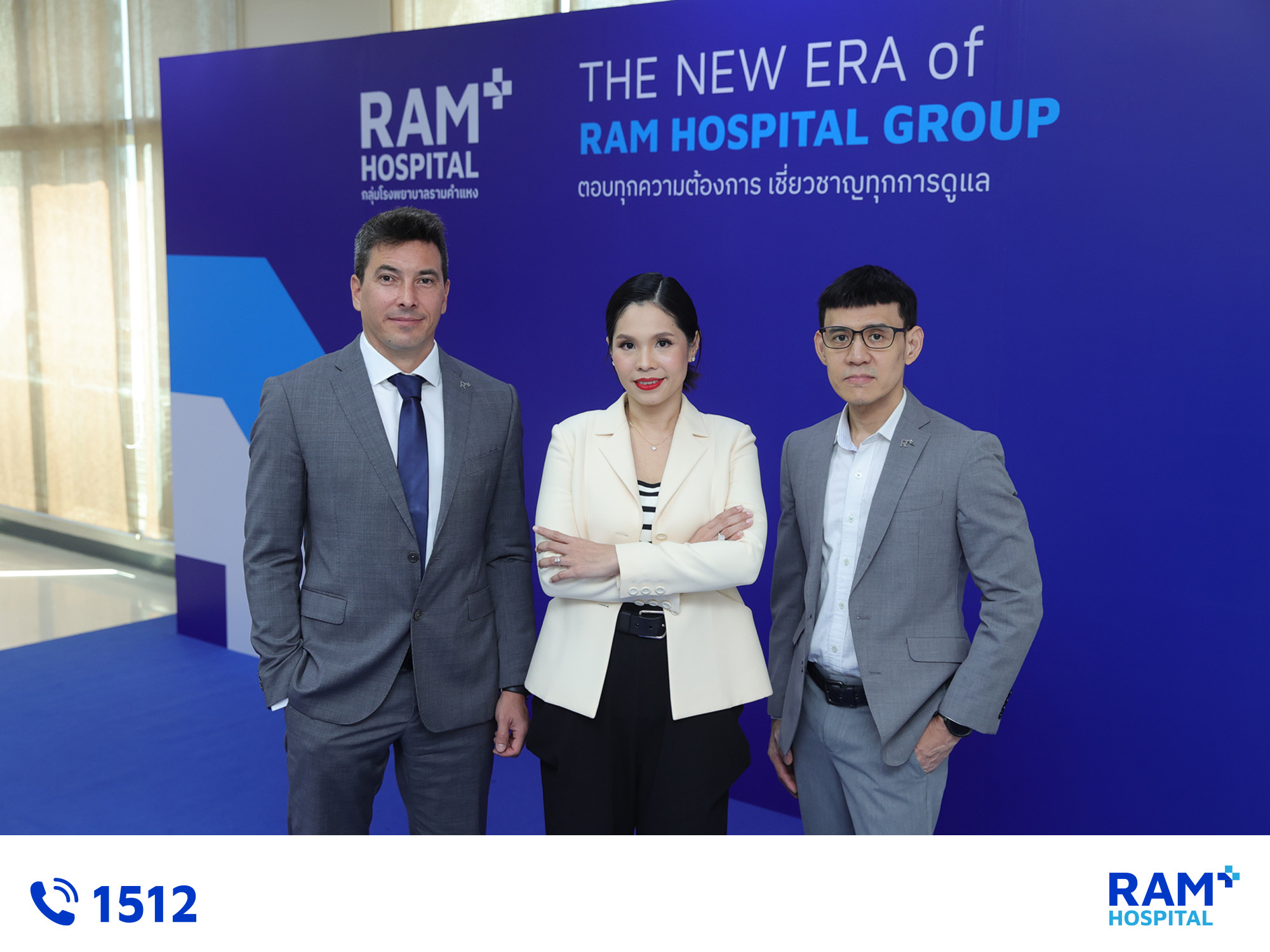
To support healthcare industry growth and modern health-conscious consumers, we formulated strategies under "RAM 2.0, The New Era of Ram Hospital Group," combining founder values with modern operational practices: Clinical Excellence (elevating medical capability via top technology and personnel),
Network Synergy (building systematic network collaboration), Asset Optimization (enhancing asset management efficiency), Strategic Expansion (driving M&A and investments through subsidiaries), and ESG Commitment (driving sustainable growth with responsibility to all stakeholders).
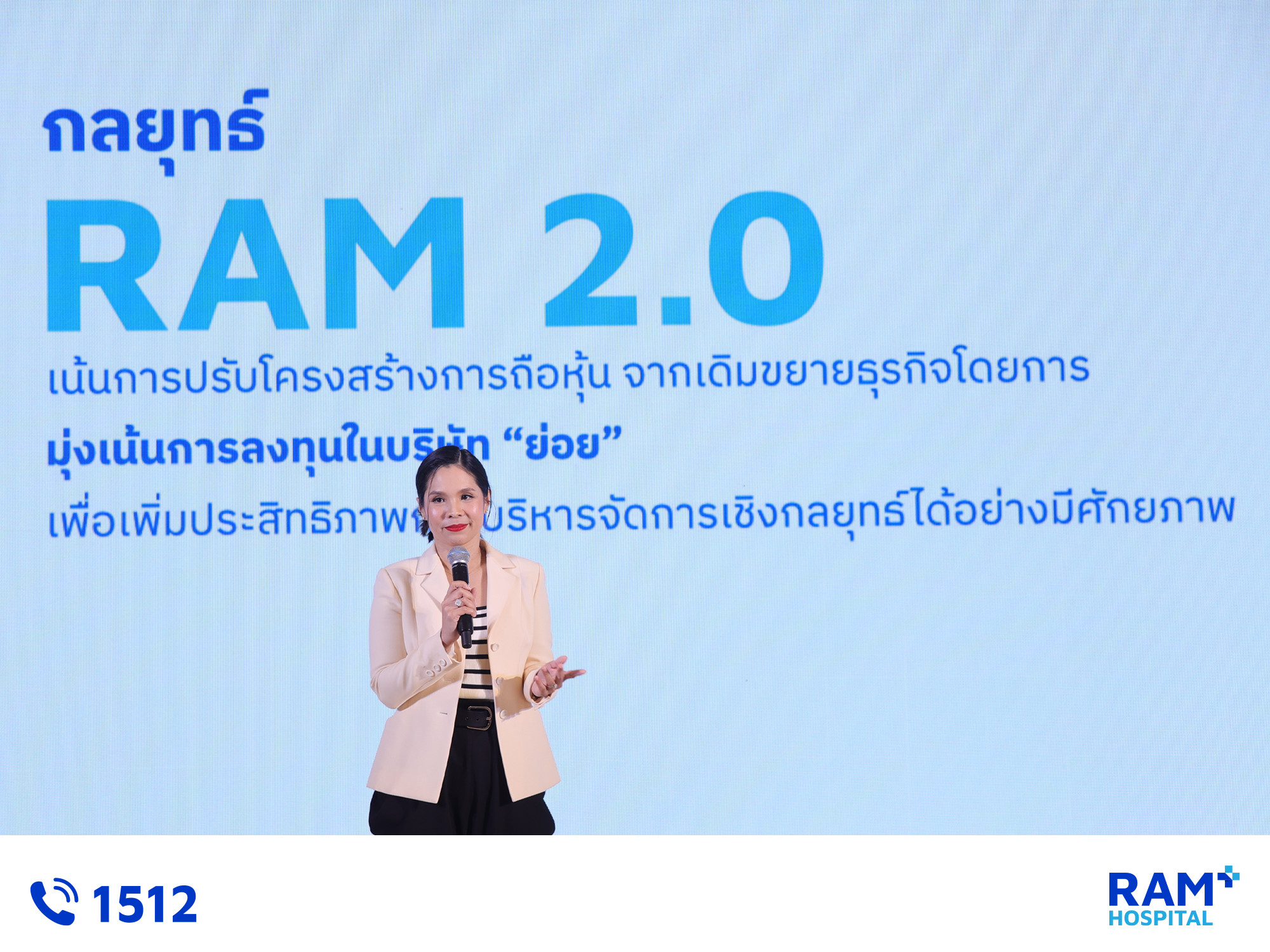
"The continuous development of RAM Hospital Group is founded on a clear vision to address all health needs through expertise, medical innovation, and nationwide coverage. This ensures patients receive accessible, fast, accurate care aligned with modern lifestyles, building a Healthcare Ecosystem to support Thailand's journey toward becoming a regional Medical Hub attracting global patients," Dr. Rukkee said.

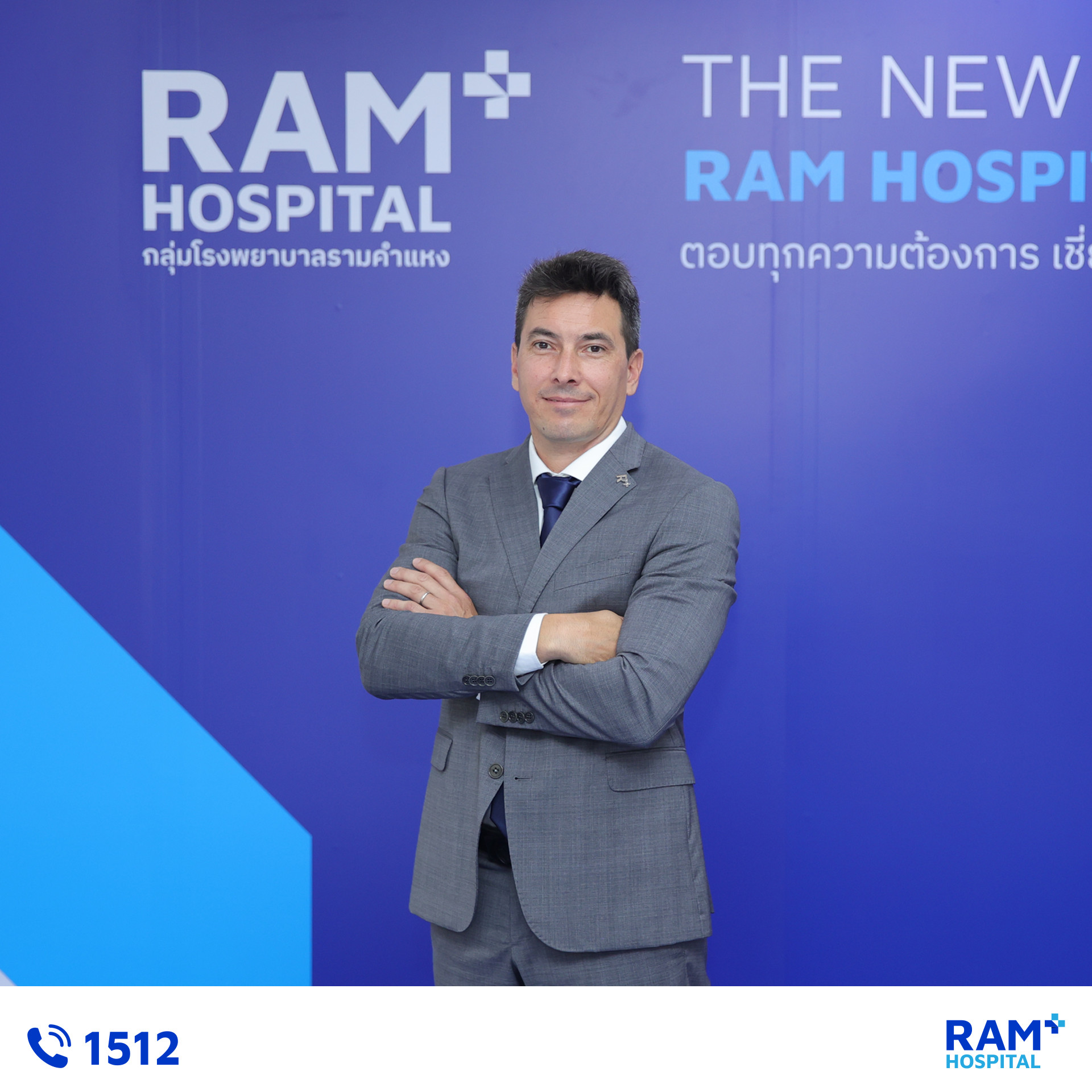
Mr. Thibaut Spitakis, Chief Marketing Officer of Ramkhamhaeng Hospital Public Company Limited, noted that over 95% of RAM Hospital Group patients are Thai, mostly self-pay and private insurance holders, followed by Social Security and Universal Health Coverage schemes. Under this Rebranding, we aim to expand our customer base to younger generations and international patients seeking holistic, preventive, and wellness care before falling ill, while catering to an aging society.
Thus, we focus on services transitioning from Sick Care to Health Care using Digital Health & Innovation (such as AI, Telemedicine, Big Data, and monitoring devices) to enhance diagnostics, treatment, and seamless service delivery.
Over the years, RAM Hospital Group has consistently grown in terms of network reach across the country, partnerships with top hospitals, and regional expansion.
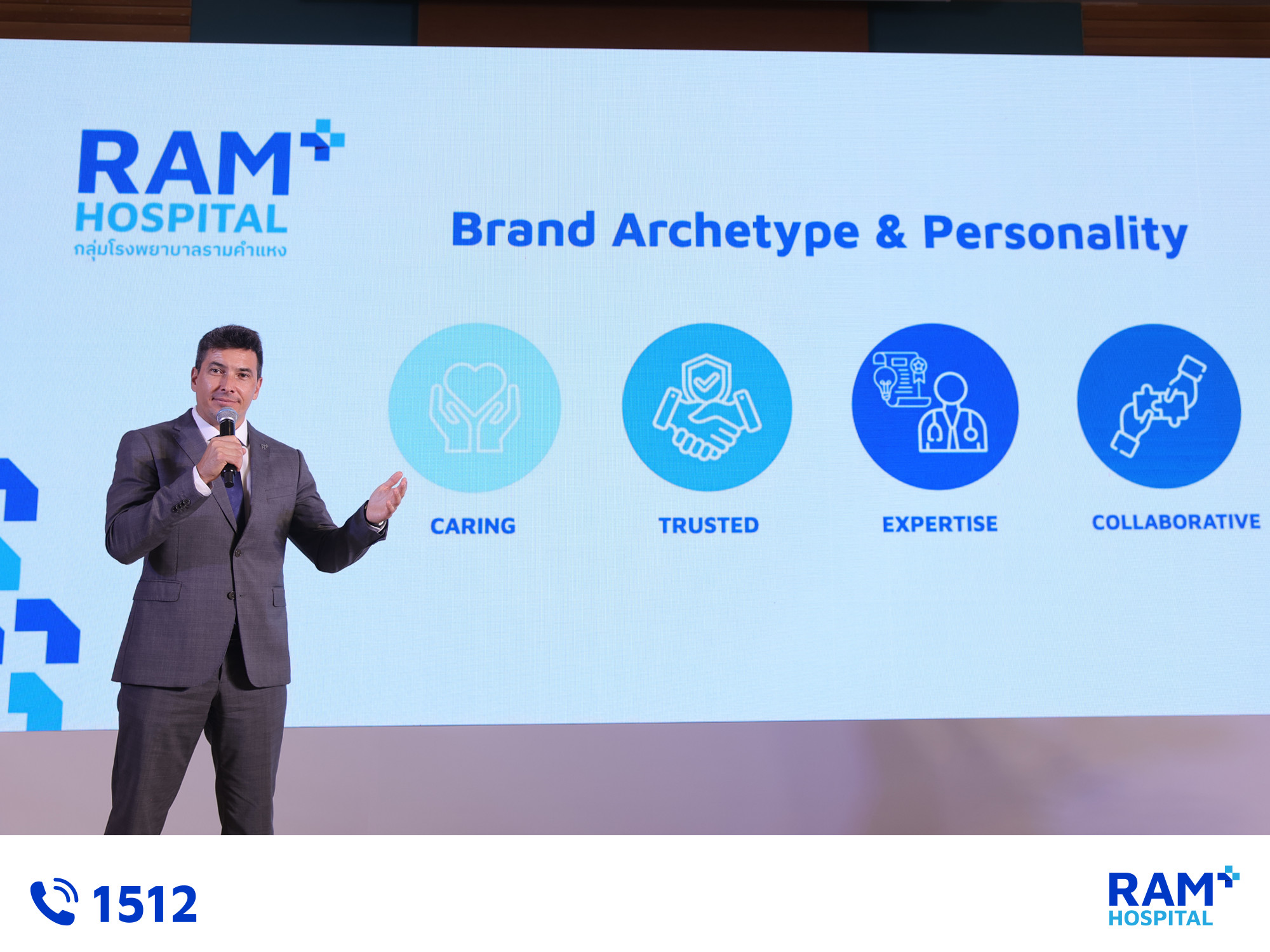
"This brand evolution establishes a strong new identity reflecting Caring, Trusted, Expertise, and Collaborative values across our network. It addresses higher expectations of modern consumers in complex treatments, medical technology, and overall experience," Mr. Thibaut concluded.
Because today’s consumers seek holistic health care—from prevention and health promotion to recovery—rather than just treatment when ill, our new brand image communicates our readiness as a comprehensive regional medical institute supporting all health dimensions of life.
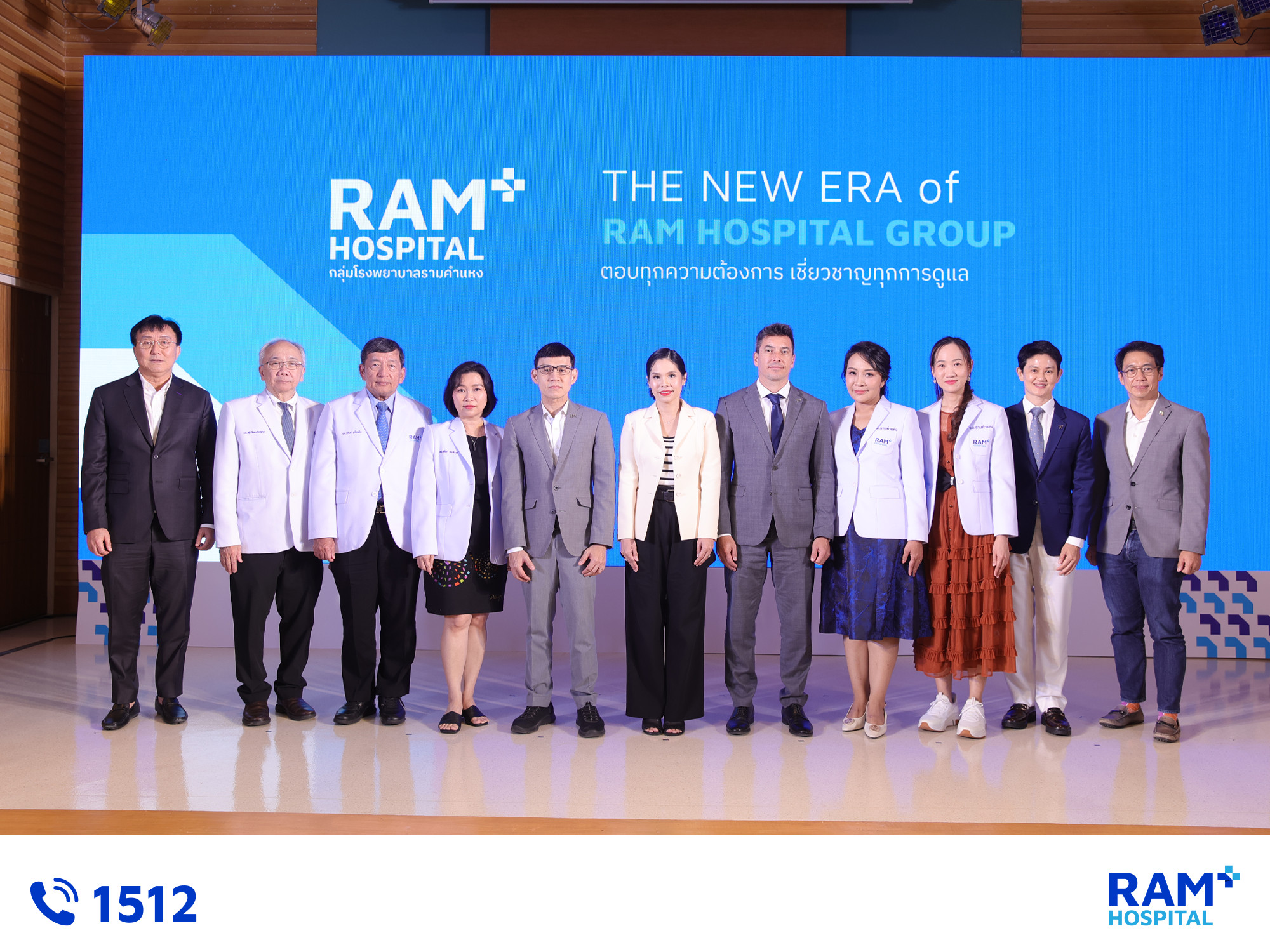
Prof. Dr. Vasan Udayachalerm, Interventional Cardiologist at the Heart Center, Ramkhamhaeng Hospital, shared that heart disease cases have risen significantly over the past 5–10 years, remaining a leading cause of death globally and in Thailand. Risk factors include hypertension, diabetes, lifestyle behaviors (such as lack of exercise, insufficient sleep, e-cigarette use), and lack of awareness, leading to delayed diagnosis.
Current health challenges stem from underlying conditions, lifestyle choices, aging society, and pollution. Awareness, self-observation, and early screening are essential keys to effective prevention and treatment for a better quality of life.
Dr. Suthida Yenchan, Neurologist at the Brain and Nervous System Center, Ramkhamhaeng Hospital, noted an increasing trend in neurological disorders, particularly among the elderly due to Thailand's aging society. Key causes include stroke, coronary artery disease, and unmanaged chronic non-communicable diseases (e.g., diabetes, hypertension, dyslipidemia), which can lead to dementia and Alzheimer's.
Lifestyle habits such as sleep deprivation (observed in all ages due to stress and overwork), technology screen addiction (mobile devices, short TikTok videos) shortening attention spans, alcohol, substance use, and social pressure also contribute significantly.

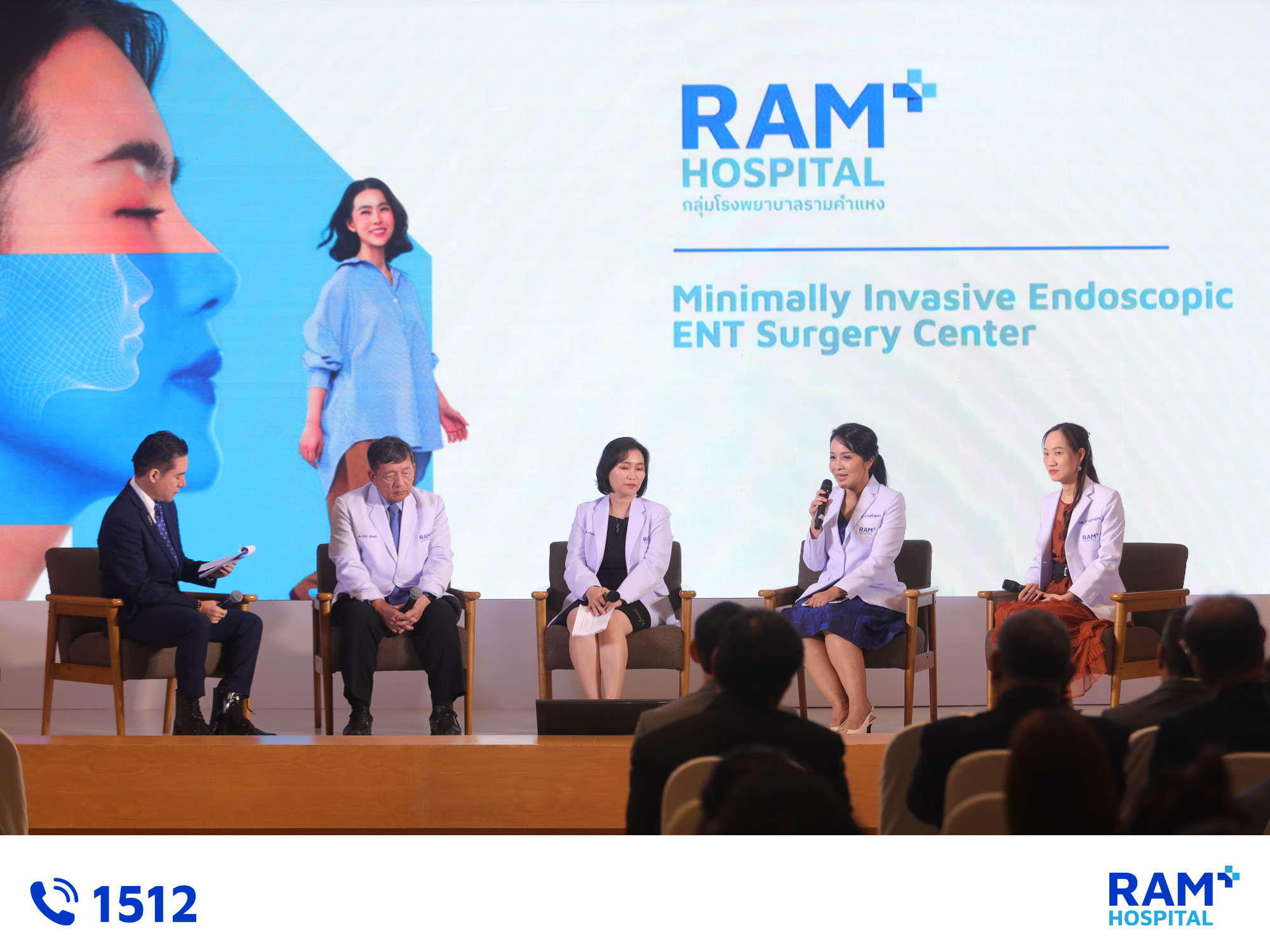
Dr. Lalinthip Eadchua, Otorhinolaryngologist (ENT) at the ENT Endoscopic Surgery Center, Ramkhamhaeng Hospital, stated that ENT issues are close to daily life with rising patient numbers because these organs are used constantly. PM 2.5 dust pollution directly affects the respiratory tract, triggering allergies or flare-ups. Continuous earphone and online content usage threatens nerve cells and leads to premature hearing loss, while aging increases degenerative diseases such as chronic sinusitis following flu.
"Early treatment for ENT diseases is crucial because advanced medical technologies, like balloon sinuplasty, allow rapid recovery. Delaying treatment may require open surgery and longer recovery. Proper breathing techniques should also be practiced as many people suffer from breathing issues."
The ENT Endoscopic Surgery Center at Ramkhamhaeng Hospital is one of Thailand's pioneering centers with subspecialists for over 10 years, upgrading surgical safety. Specialist teams handle routine and complex procedures through natural body openings, utilizing advanced technologies like the PTR (Parathyroid Tracking System) for real-time monitoring to prevent hypocalcemia.
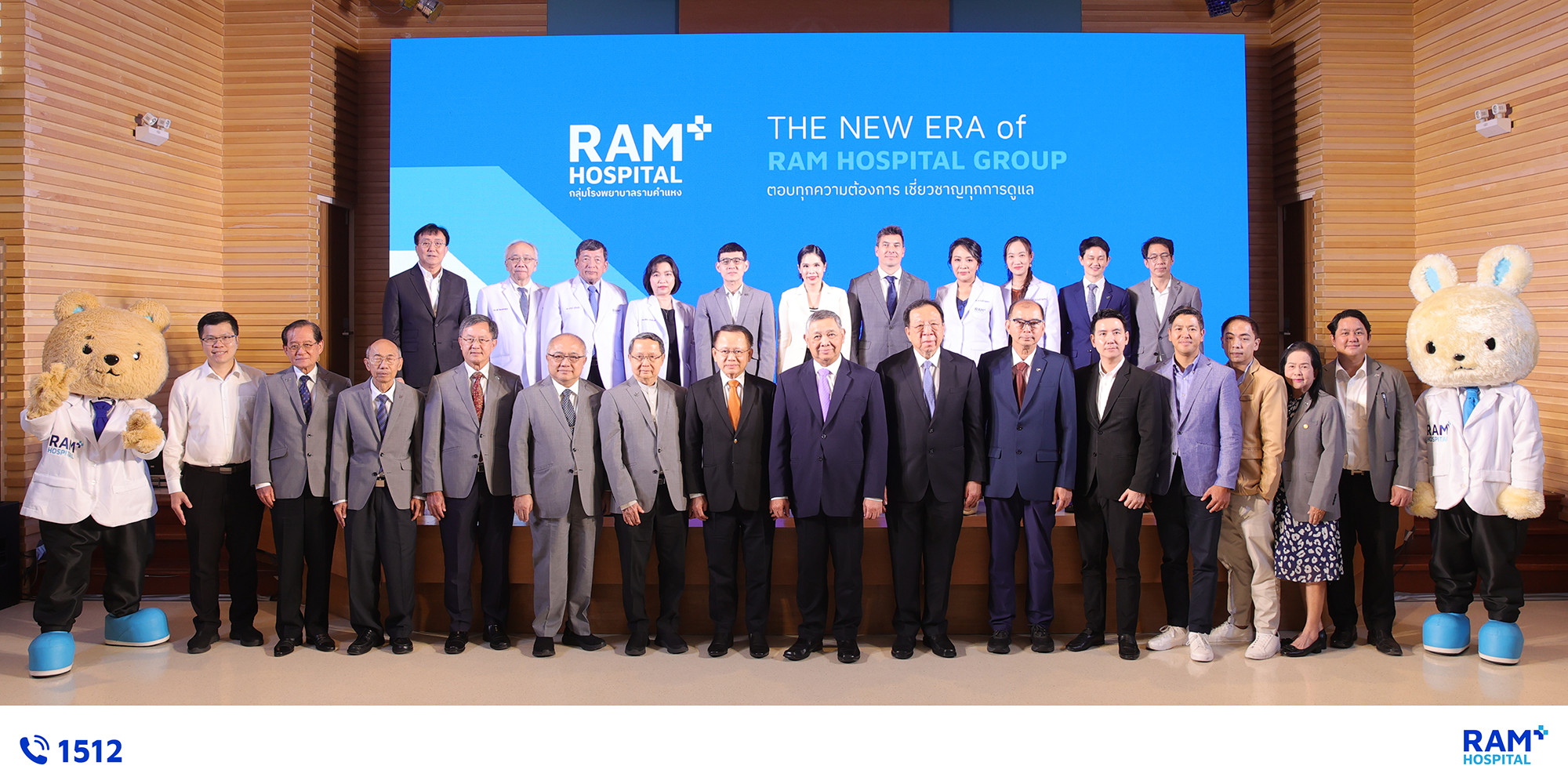
Dr. Kiruk Chuchit, Medical Oncologist at the Integrative Health Center, Ramkhamhaeng Hospital, mentioned that cancer incidence is rising, often detected in advanced stages, severely affecting organ function and limiting treatment options (surgery, chemotherapy, immunotherapy). Thus, proactive screening and consulting a doctor upon experiencing symptoms are vital.
"Regular health screening is critical; frequency depends on individual risk factors and initial test results (e.g., abnormalities may require re-testing every 6 months or sooner per medical guidance)."
Cancer care focuses on Personalized Treatment, tailoring plans to body condition, disease severity, and patient tolerance, combined with Holistic Care that encompasses overall health care rather than simple Sick Care.
Ramkhamhaeng Hospital is committed to elevating healthcare standards with expert medical teams, cutting-edge technology, and holistic care concepts to provide patients and families with the best quality of life.