
PARNWAD MUNJIT, M.D.
Gastroenterology and Hepotology



Gastric cancer (stomach cancer) is one of the most significant cancers worldwide. It ranks as the 5th most common cancer and the 4th leading cause of cancer-related deaths globally. The incidence varies by region, with the highest rates found in East Asia, including Korea, Japan, and China.
Although gastric cancer is less common in Thailand compared to other cancers, a major concern is that many patients are diagnosed at an advanced stage, leading to a relatively high mortality rate.
However, understanding the risk factors and recognizing early warning signs can lead to early detection, timely treatment, improved outcomes, and a greater chance of cure.
Who Is at Risk?
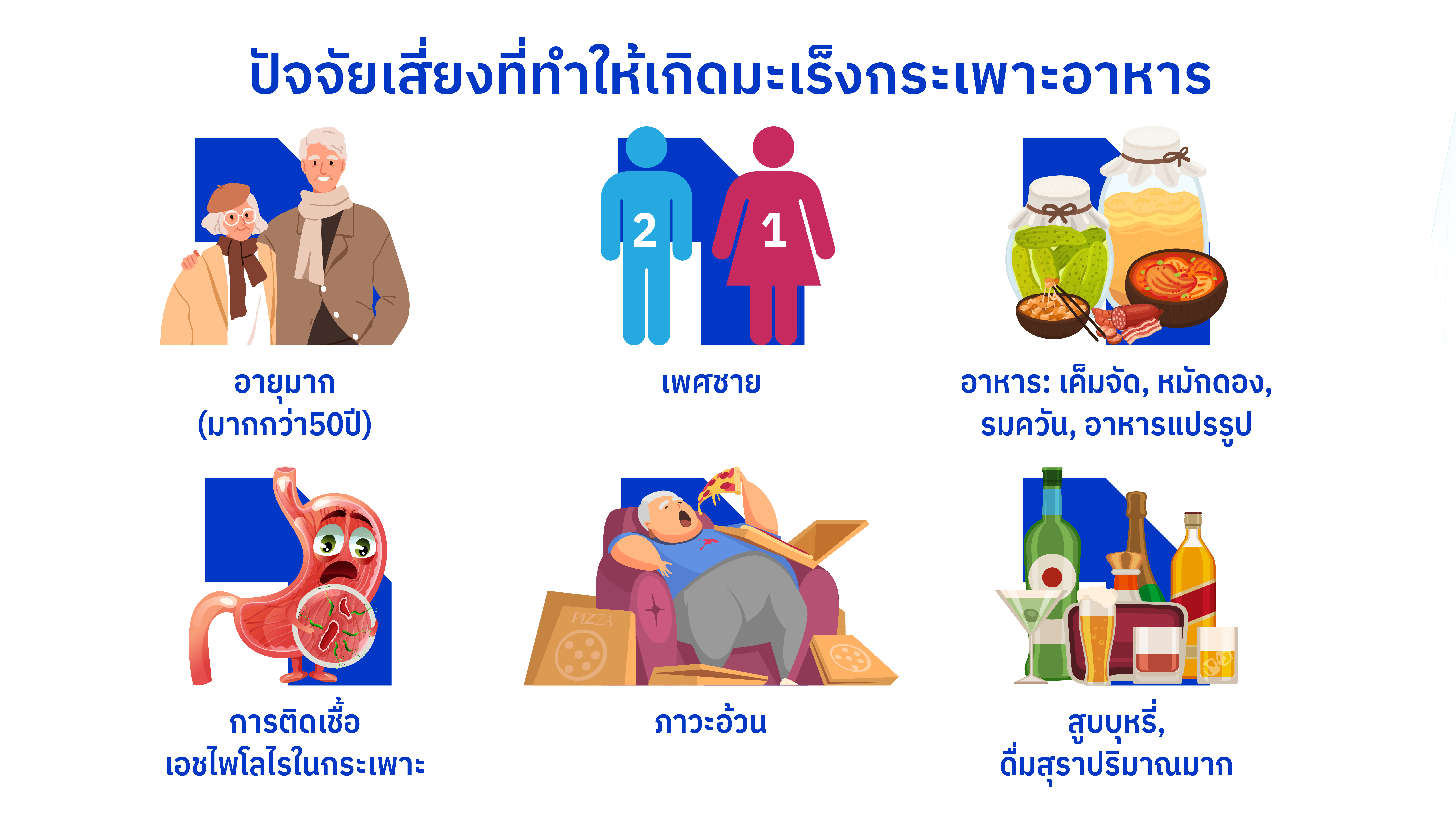
Several factors increase the risk of developing gastric cancer:
Age: More common in individuals over 40–50 years old
Ethnicity: Higher prevalence in East Asian populations
Family History: Having first-degree relatives (parents, siblings, or children) with gastric cancer significantly increases risk
Helicobacter pylori (H. pylori) Infection: A major cause of gastric cancer. This bacterium leads to chronic inflammation of the stomach lining, which may eventually develop into cancer. The World Health Organization (WHO) recommends treatment upon detection to reduce cancer risk
Lifestyle Factors: Smoking, heavy alcohol consumption, and obesity
Dietary Habits:
Frequent consumption of pickled or high-salt foods, which may contain nitrates that can convert into carcinogenic nitrosamines
High salt intake may irritate the stomach lining, leading to chronic inflammation and increased cancer risk
Eating uncooked or unhygienic food, which may be contaminated with H. pylori

Symptoms of Gastric Cancer
Early Stage
Symptoms may be absent or resemble gastritis, such as:
Upper abdominal discomfort or indigestion (dyspepsia)
Mild nausea
Advanced Stage
Symptoms often include persistent upper abdominal pain along with alarm features, such as:
Gastrointestinal bleeding (black stools, blood in stool, or vomiting blood)
Iron-deficiency anemia
Early satiety (feeling full quickly)
Persistent vomiting, especially after meals
Unexplained weight loss
Diagnostic Methods
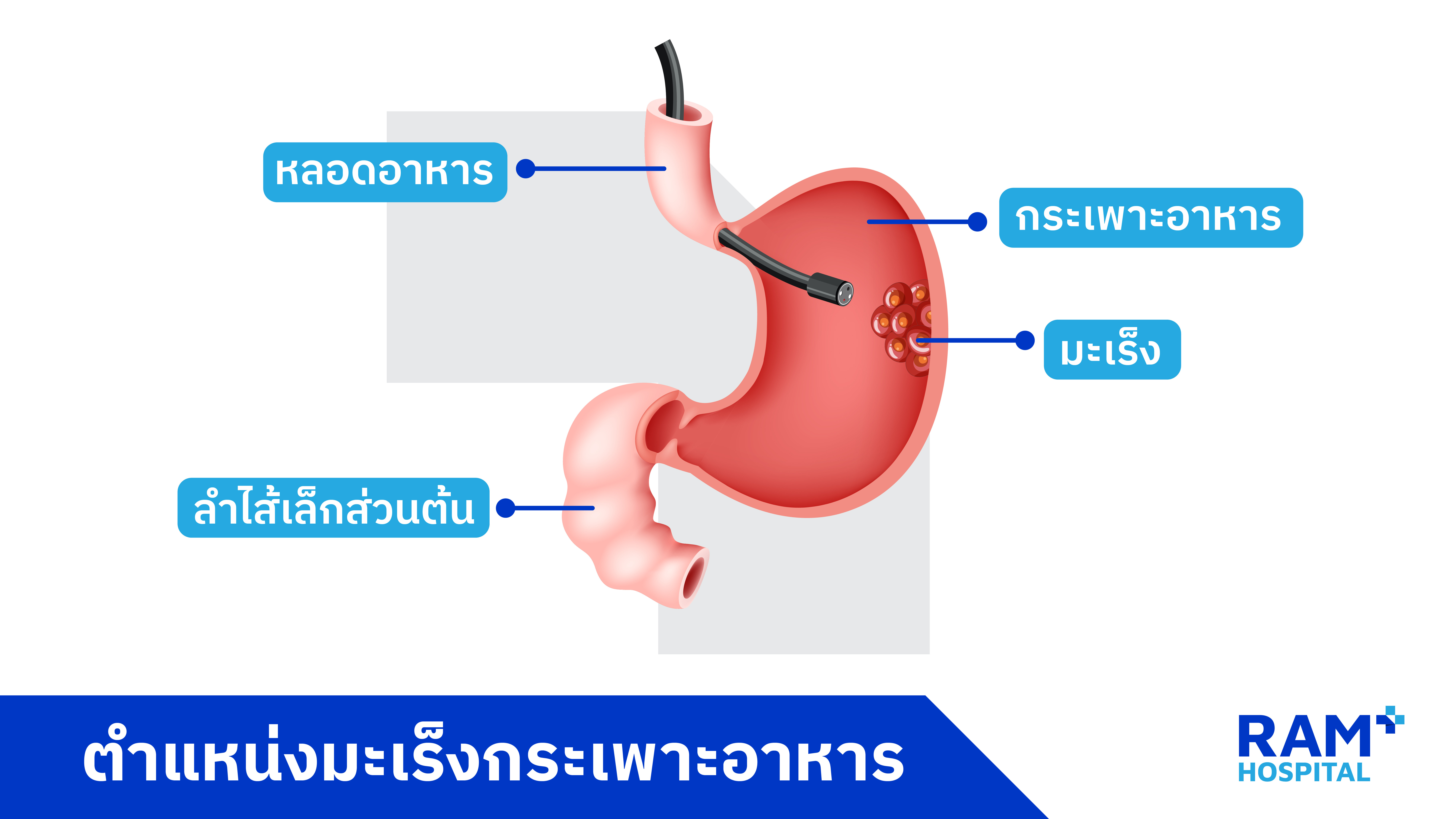
1. Upper Gastrointestinal Endoscopy (EGD: Esophagogastroduodenoscopy)
This is the most effective method for detecting abnormalities in the stomach. It allows physicians to:
Directly visualize tumors or lesions
Identify the exact location
Perform a biopsy for pathological confirmation
The procedure typically takes 15–20 minutes.
2. CT Scan of the Whole Abdomen
If cancer is detected via endoscopy, a CT scan is performed to:
Evaluate the spread of cancer to other organs
Help guide treatment planning
Treatment Options
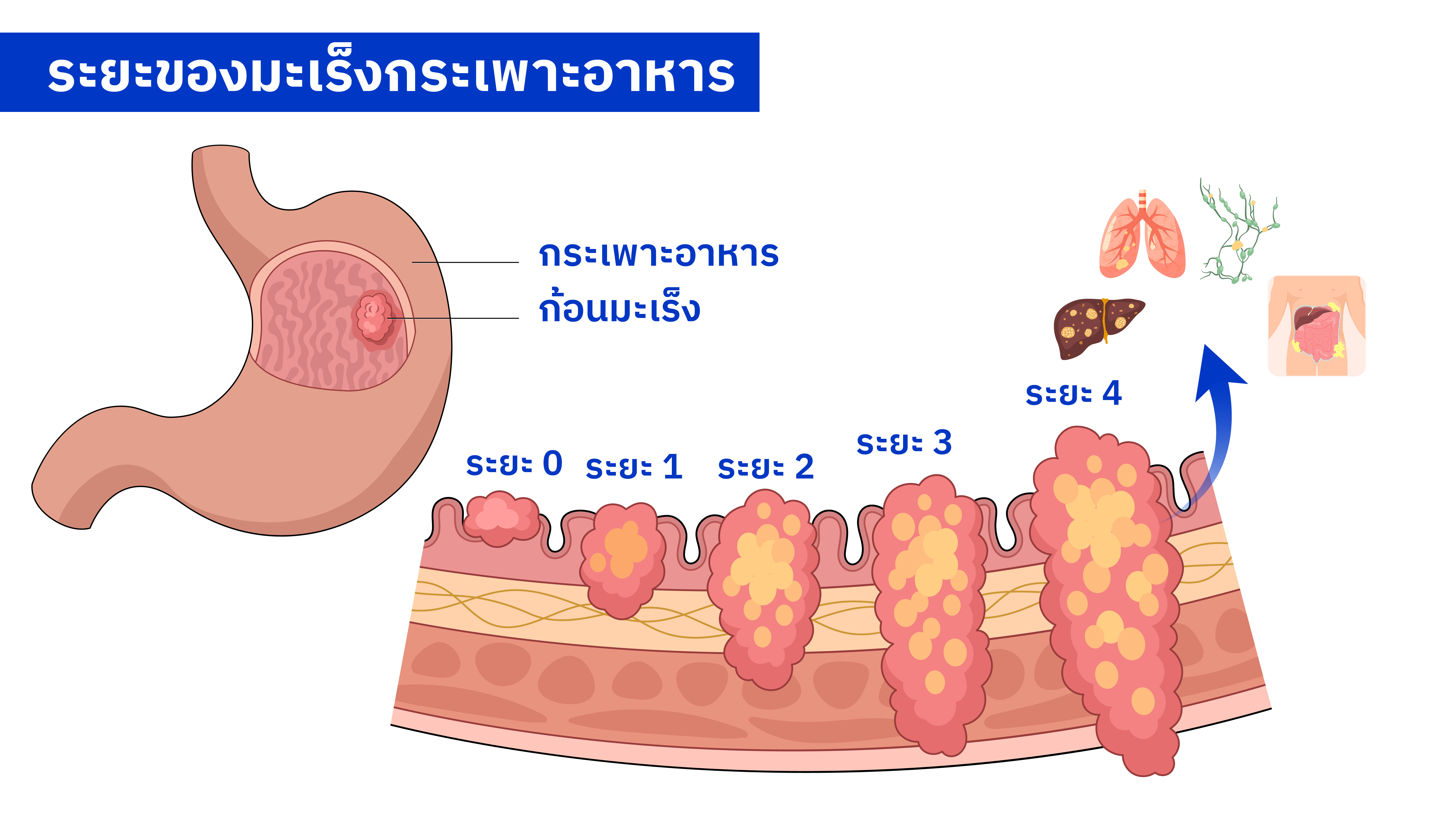
Treatment depends on the stage of the disease:
Stages 1–3 (Early Stages):
Surgery is the main treatment. In some cases, chemotherapy and/or radiation therapy may be added to reduce recurrence risk
Stage 4 (Advanced/Metastatic Stage):
At this stage, cancer has spread to other organs such as the peritoneum, liver, or lungs. Surgical cure is not possible. Treatment focuses on:
Chemotherapy to control disease progression
Improving survival and quality of life
In some patients, newer treatments such as targeted therapy and Immunotherapy, may be used to improve survival outcomes
Prevention
Treat gastritis completely, especially H. pylori infection, and follow up to ensure eradication
Avoid high-nitrate foods such as pickled, processed, and heavily salted foods
Consume well-cooked, clean, and hygienic food
Avoid smoking and excessive alcohol consumption
Exercise regularly and maintain a healthy weight
Who Should Be Screened for Gastric Cancer?
Individuals over 50 years old with new-onset dyspepsia
Patients with persistent gastritis symptoms that do not improve after 1–2 months of treatment (or within 2 weeks in some cases)
Individuals with a family history of gastric cancer
Patients with dyspepsia accompanied by alarm symptoms, such as:
Vomiting blood or black stools
Unexplained weight loss
Iron-deficiency anemia
Loss of appetite, early satiety, or persistent vomiting
Gastroenterology and Hepotology


