Messenger

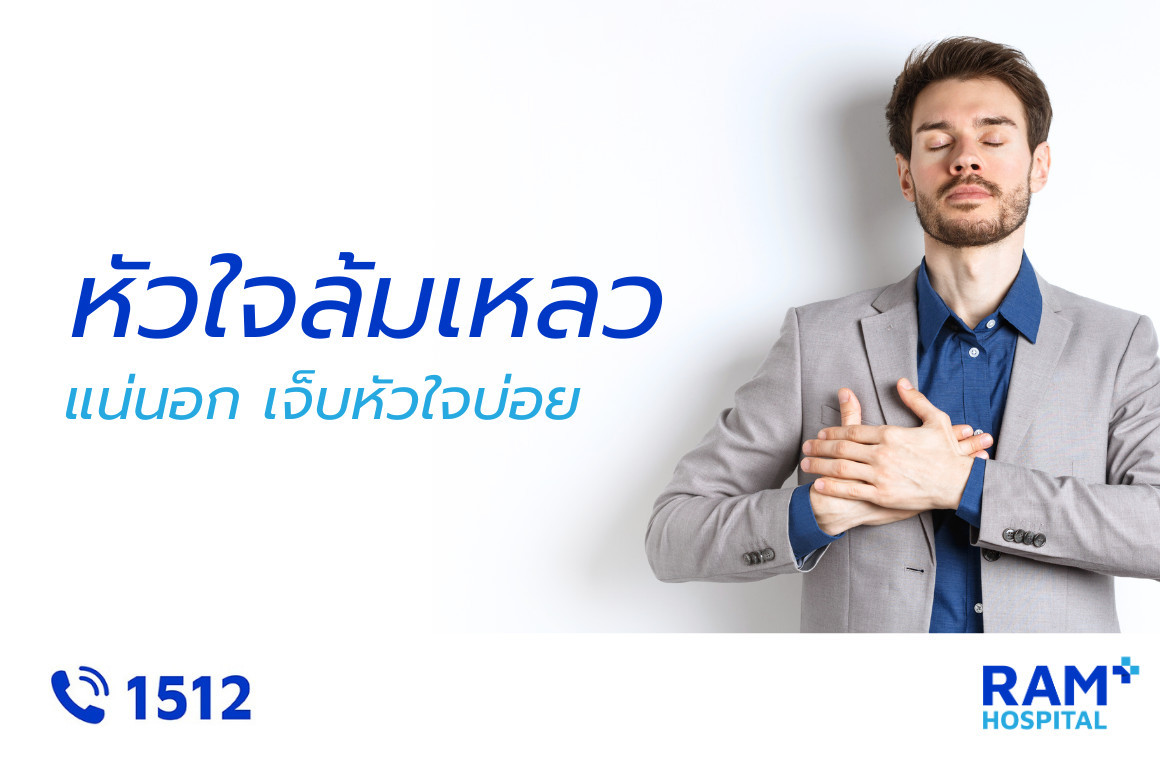
Chest Tightness & Fatigue: Is It Heart Failure?

April 20 / 2026

Heart Failure


     Heart failure can change a life in a split second, blurring the line between life and death. Whether acute or chronic, it can happen even at a young age. "Palpitations, chest tightness, fatigue upon exertion, and inability to lie flat" are secret signals that you should be aware of to get the patient to a doctor as soon as possible.


Heart Failure

    Heart Failure (Heart Failure) is a condition where the heart cannot pump enough blood to nourish the body, leading to oxygen deprivation and fluid buildup in the lungs or other parts of the body. It is generally caused by structural or functional abnormalities of the heart, such as coronary artery disease, high blood pressure, valvular heart disease, or viral infection of the heart muscle.


4 Stages of Heart Failure

  • Stage A: No symptoms yet, but high risk factors such as obesity, diabetes, or high blood pressure exist.
  • Stage B: Structural abnormalities of the heart have begun, but there are no clear symptoms of fatigue.
  • Stage C: Clear symptoms of heart failure appear, such as chest tightness, difficulty breathing at night, or difficulty performing daily activities.
  • Stage D: Severe symptoms; feeling tired and weak even at rest, requiring frequent hospitalization.


What symptoms might indicate "Heart Failure"?

If you or someone close to you has these cumulative symptoms, you should consult a specialist for a thorough examination:


  • Fatigue upon exertion: Starting to feel unusually breathless when climbing stairs or exercising; if symptoms worsen, you may feel tired even while sitting and resting.
  • Inability to lie flat: Need to prop up pillows to breathe easily. If lying flat, you may feel discomfort, forcing you to sit up to gasp for air at night.
  • Pitting edema in the feet: Notice swelling in both legs. If you press your finger on the shin or top of the foot and it leaves an indentation that doesn't return to normal immediately, it indicates fluid retention in the body.
  • Chest tightness, difficulty breathing at night: Feel discomfort in the chest as if something is pressing on it, unable to breathe fully, or waking up in the middle of the night due to breathing difficulty.
  • Palpitations, irregular heartbeat: Feeling an unusually fast, irregular, or skipping heartbeat, which is a warning sign of a heart that is working too hard.


Diagnosis and Treatment

     When a risk is identified, a doctor will diagnose it through blood tests and an echocardiogram to check the heart's pumping function (LVEF). If abnormalities are found, treatment will start with medications, such as diuretics and blood pressure control drugs, up to the use of a pacemaker or bypass surgery, depending on the doctor's discretion.


Self-care for Heart Failure

Seeing a doctor is the most important first step, and the doctor may recommend the following self-care practices during treatment:


  • Control sodium: Reduce salty foods to prevent high blood pressure and reduce swelling.
  • Monitor body weight: If weight increases unusually fast, it may be a sign of fluid retention.
  • Appropriate exercise: Consult a doctor to find a safe cardiac rehabilitation program.
  • Quit smoking and alcohol: To reduce the risk to the heart muscle and blood vessels from the toxins in cigarettes and alcohol.


Providing New Hope for Your Heart at Ramkhamhaeng Hospital

     Don't let fatigue become a habit. If you have symptoms such as easy fatigue, inability to lie flat, or frequent palpitations, the Heart Center at Ramkhamhaeng Hospital is ready to care for you with a team of specialists and modern treatment technology, so you can step forward with confidence and happiness again.