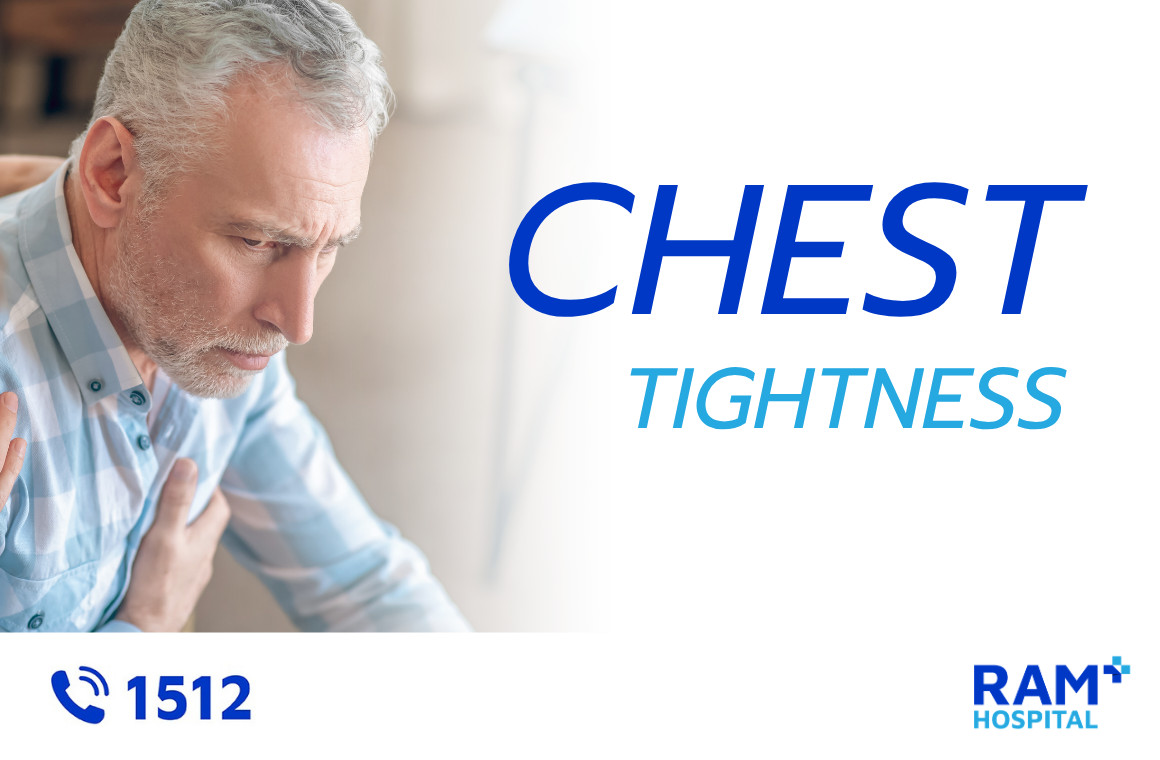
Chest tightness, shortness of breath, or difficulty breathing or feeling inexplicably exhausted—these symptoms could be your body's subtle way of telling you that “something is wrong.”
Understanding Chest Tightness and Difficulty Breathing
Chest tightness and breathing difficulties are common symptoms that can stem from minor issues such as acid reflux, stress, or muscle inflammation. However, it is crucial to recognize that they can sometimes be warning signs of serious conditions like heart disease. Doctors advise never ignoring these symptoms.
Common Causes
The causes of chest tightness and difficulty breathing are complex and can involve multiple systems in the body.
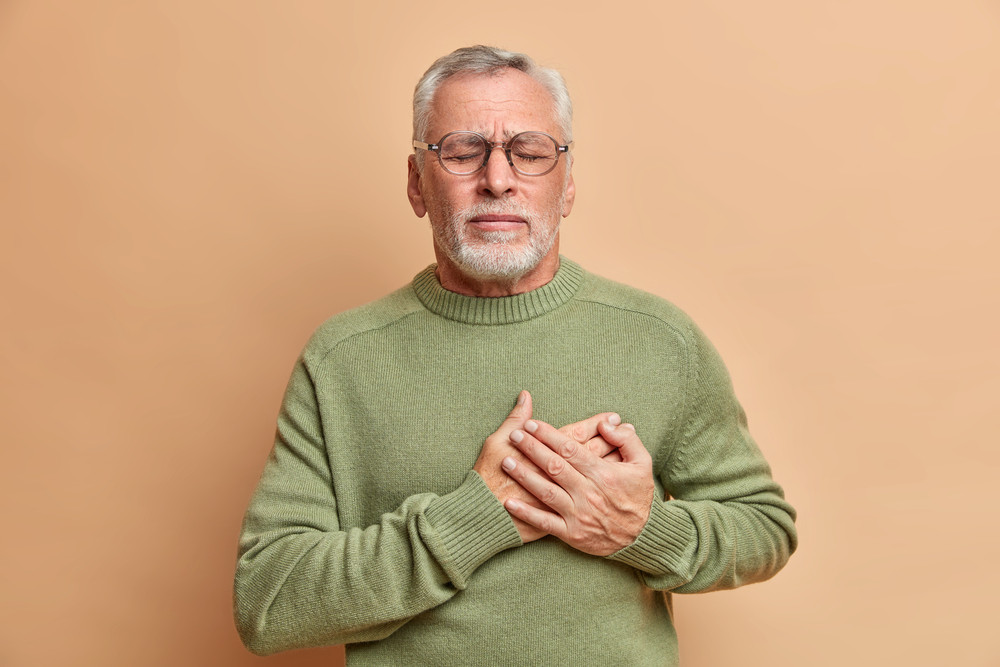
1. Cardiovascular System Disorders
- Heart failure
- Coronary artery narrowing or blockage
- Heart arrhythmia
2. Pulmonary and Respiratory Conditions
- Asthma
- Pneumonia
- Pulmonary embolism (blood clot in the lungs)
- Pneumothorax (collapsed lung)

3. Physiological Factors and Other Conditions
- Obesity: Excess fat can put pressure on the diaphragm when lying down, making breathing harder.
- Gastroesophageal Reflux Disease (GERD): Causes tightness and pain in the epigastric area that radiates up to the chest.
- Sleep Apnea: Commonly found in individuals who snore heavily.
4. Psychological Factors and Stress
Anxiety or Panic Disorder can trigger dysfunctions in the autonomic nervous system. This causes patients to hyperventilate (breathe too fast), expelling too much carbon dioxide, which leads to chest tightness, palpitations, and numbness in the hands and feet.
See a Doctor Immediately if You Experience These Symptoms
If you notice any of the following severe warning signs, please seek an immediate diagnosis from a specialist:
- Severe and sudden chest pain or tightness
- Pain radiating to the left arm, neck, jaw, shoulder, or back
- Severe difficulty breathing to the point where you must sit up to gasp for air, or cannot speak in full sentences
- Lips or fingertips turning blue or dusky (Cyanosis)
- Swelling in the face/body, leg edema, or rapid weight gain
- Profuse sweating, cold skin, lightheadedness, or loss of consciousness
What to Do if Symptoms are Mild
- Stop all activities immediately.
- Sit down and rest in a position that allows you to breathe comfortably.
- Observe whether the symptoms improve or worsen.
- If symptoms recur or do not subside within 10 – 15 minutes, see a doctor.
What Medical Exams will the Doctor Perform?
The doctor will take a medical history and conduct physical evaluations, which may include:
- Electrocardiogram (ECG)
- Blood tests for cardiac muscle damage biomarkers (Troponin)
- Chest X-ray
- Additional screening as required, such as:
- Echocardiogram
- Cardiac CT Scan (CT Cardiac)
Annual check-ups and paying attention to every breath are the cornerstones of a good quality of life. A healthy body begins with listening to its warning signs and seeking proper care.