Messenger

First Aid for Knife Cuts: Wound Assessment and Treatment

August 20 / 2026

knife cut


     Getting cut by a knife or a sharp object is something that may happen to us rarely. A wound can be minor, or it can escalate into a severe issue like tetanus. Ramkhamhaeng Hospital would like to help you understand wounds, along with proper care guidelines for yourself and those close to you.


What Happens to Us When We Get Cut by a Knife

     Generally, cuts from sharp objects are classified as open wounds or puncture wounds, which are usually deep enough for dirt and bacteria to reach inner tissues. This increases the risk of severe infection higher than usual if proper and thorough cleaning is neglected.


Assessing the Severity of the Wound

If your wound has any of the following characteristics, it is strongly recommended that you seek immediate medical attention:


  • Uncontrolled Bleeding: Especially if the cut is deep enough to hit major blood vessels.
  • Deep and Dirty Wounds: Cases where the blade was contaminated from peeling fruit, unwashed raw meat, gardening, or covered in rust.
  • Wounds Around Joints: Specifically cuts affecting joint areas like knuckles or wrists, which are common accident locations and pose a high risk of tendon damage.
  • Wounds from Violence: Knife wounds resulting from physical assault or self-harm.
  • Signs of Infection After Being Cut: High fever, increasing pain, swelling, or redness at the wound site, foul odor, or red streaks spreading outward from the wound or traveling up the limbs.


Additional Recommendation Regarding Tetanus Vaccine: If the wound is deep or dirty, and you have not received a tetanus vaccination or booster in the past 5 years, you should receive a booster shot from a physician within 48 hours after the accident.


Cut by knife


Proper First Aid Steps

When an accident involving a knife or sharp object occurs, you can perform initial self-care by following these steps:


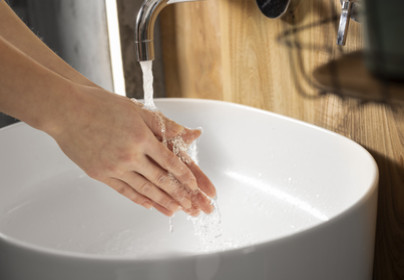
  • Always wash your hands thoroughly before touching the wound.
  • Apply moderate pressure to the wound with a clean cloth or gauze to stop the bleeding. If bleeding does not stop, caregivers must take the patient to the hospital immediately.
  • Rinse the wound with clean water continuously for about 5-10 minutes. If debris remains, gently wipe it away using a clean cloth.
  • Use a cotton ball soaked in normal saline solution to clean around the wound area.
  • Apply a thin layer of antibacterial ointment or cream to keep the skin hydrated, prevent tightness or cracked scabs, and promote faster healing without leaving severe scars. If an itchy rash develops, discontinue use and consult a doctor.
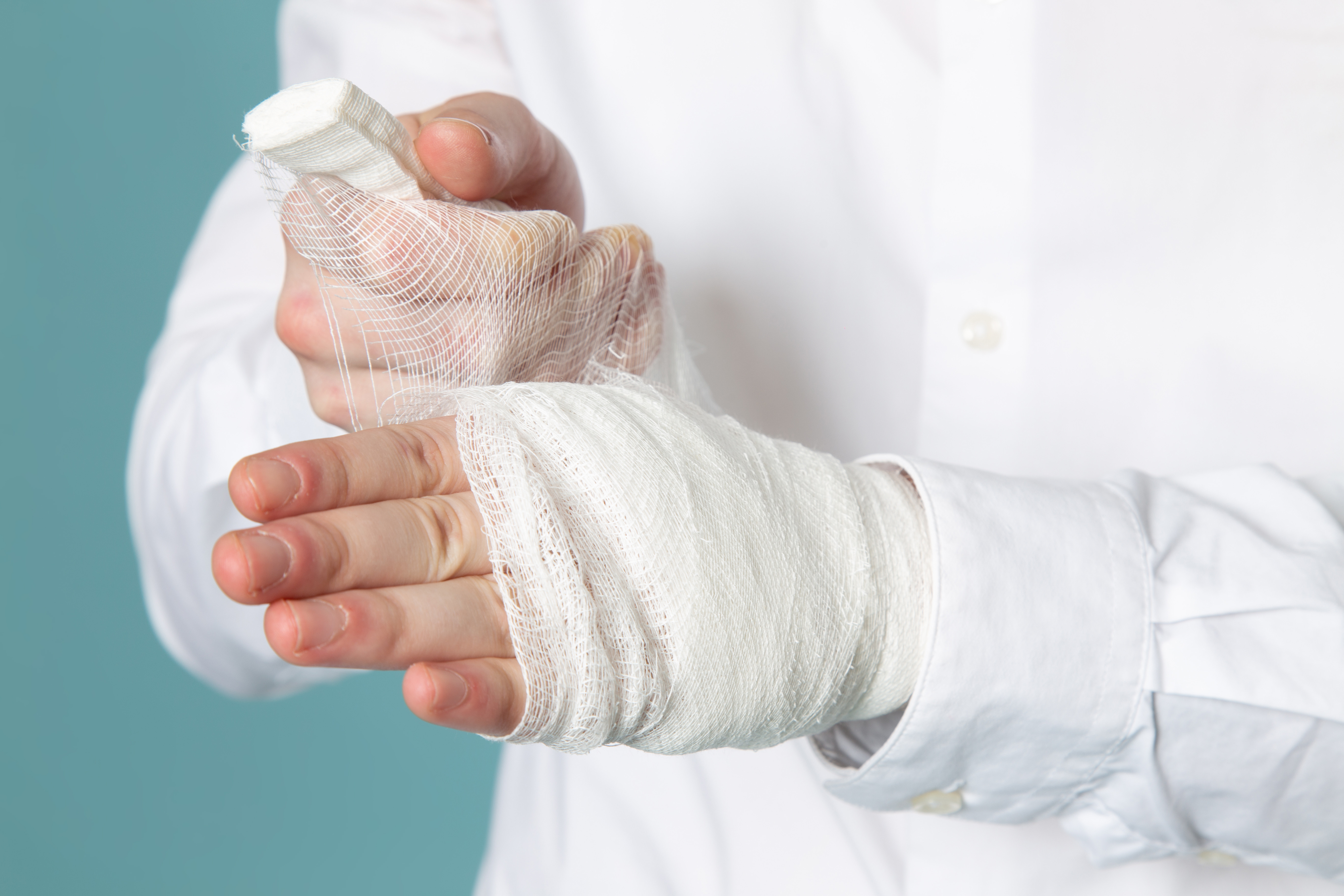
  • Cover the wound with a clean bandage or dressing.


Precautions

     Avoid pouring rubbing alcohol directly onto an open wound, as alcohol causes severe irritation and slows healing. If debris cannot be completely removed, seek prompt medical care.


Wound Care Aftermath

  • Keep the wound away from water.
  • Change the bandage or dressing regularly whenever it becomes wet or dirty.