
PROFESSOR NARIN HIRANSUTHIKUL, M.D.,PhD.
INTERNAL MEDICINE, SUBSPECIALTY INFECTIOUS DISEASES



Annual influenza vaccination helps upgrade your immunity to cope with constantly mutating viral strains, effectively reducing the risk of illness, severe complications, and hospitalization. Currently, besides the injectable vaccine, "Nasal Spray Influenza Vaccine" is another option for individuals who are afraid of needles. This article summarizes the key differences, mechanisms of action, and limitations of both types to help you choose the vaccine that best suits your age and lifestyle.
Timing your vaccination properly allows your body to build effective immunity just in time for peak transmission seasons. Recommended periods include:
As these are peak periods for influenza outbreaks, getting vaccinated in advance ensures your immune system is fully prepared to handle the disease.
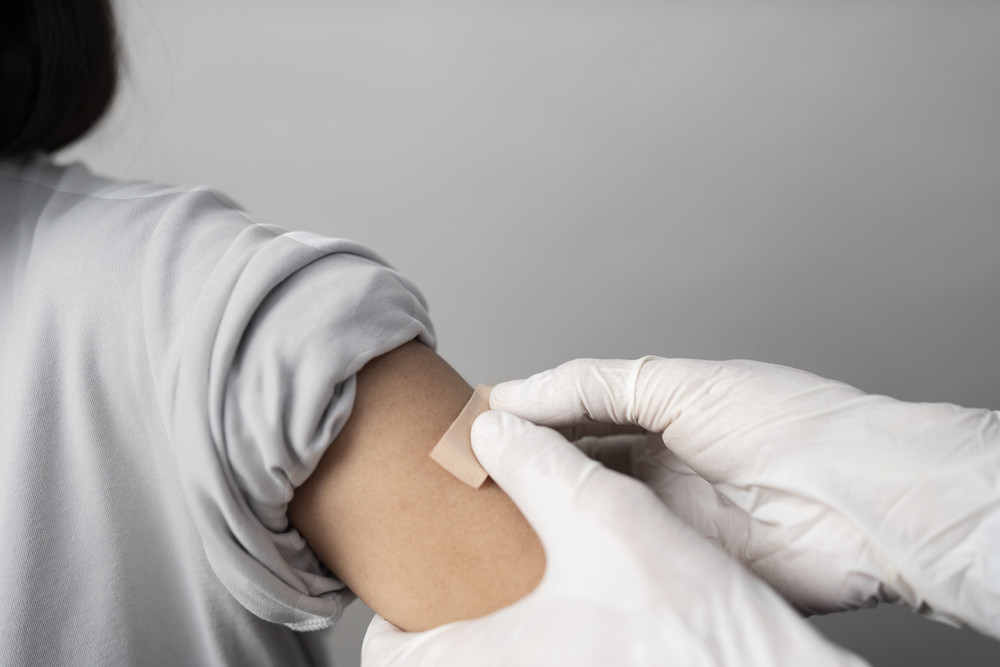
A: Yes, provided you are between 2 and 49 years old and have no underlying conditions that serve as contraindications, such as asthma or immunodeficiency.
A: Not recommended. Because the nasal spray vaccine contains live attenuated virus, pregnant women should choose the inactivated injectable vaccine, which is safer and more appropriate.
A: The nasal spray vaccine provides protection against infection for up to 12 months, while the injectable vaccine covers a period of approximately 6-8 months.
Choosing between the nasal spray and injectable influenza vaccine depends on your age group and individual health status. For individuals aged 2 to 49 years who are concerned about injections, the nasal spray vaccine is a lifestyle-friendly alternative that is convenient, painless, and offers rapid immune stimulation. Meanwhile, for high-risk groups such as young children, the elderly, pregnant women, and individuals with chronic diseases, the standard injectable vaccine remains the primary choice for comprehensive protection and maximum safety confidence.
INTERNAL MEDICINE, SUBSPECIALTY INFECTIOUS DISEASES

Pediatric Pediatric Infectious Disease

Specialist in infectious disease Clinical Microbiologist