
METHINEE TUNNUKIT, M.D.
Pediatrics Pediatrics Gastroenterology and Hepatology


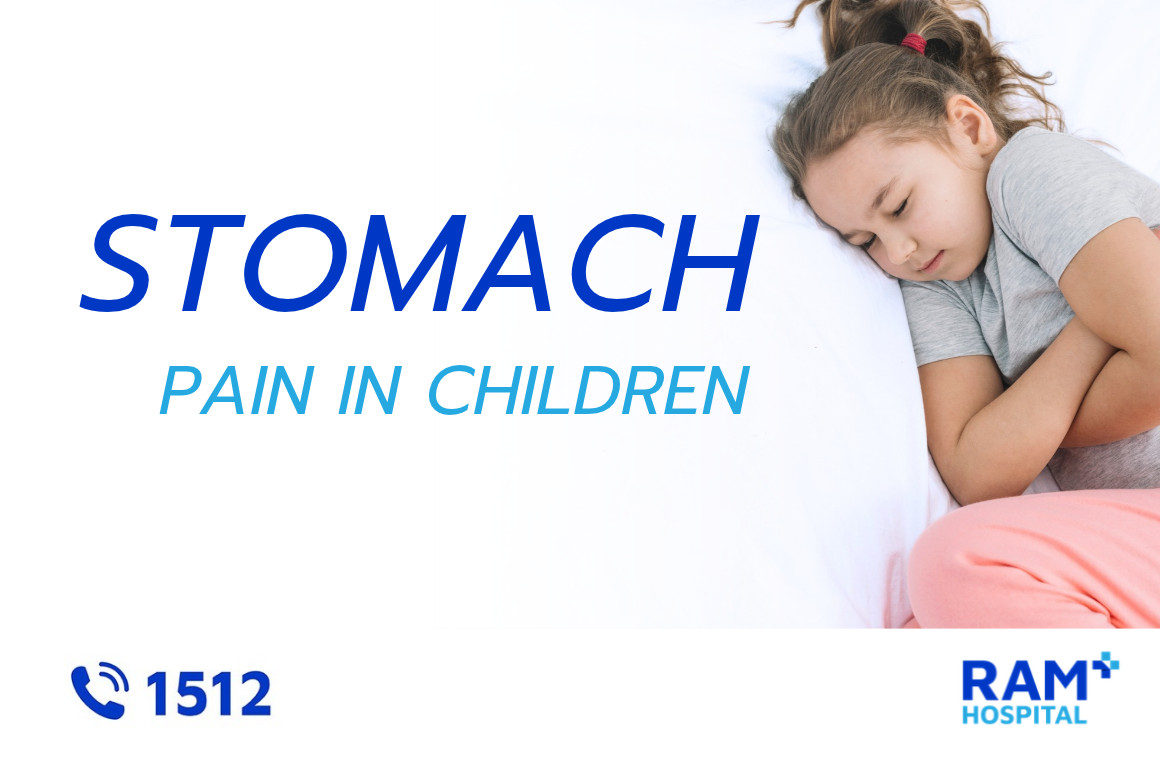
When children frequently complain of abdominal pain, experience vomiting, or show abnormal bowel habits, this problem causes great concern for parents. Many families choose to solve the problem by buying antacids or anti-diarrheal drugs for their children to take, but when the medicine is stopped, the symptoms return. These chronic symptoms may not just be a simple stomach ailment or diarrhea.
Instead, it is a warning sign from the body that the digestive system is experiencing complex health problems, and it may be time to undergo a thorough diagnosis with “Pediatric Gastrointestinal Endoscopy”
If your child experiences these symptoms continuously for more than 2-4 weeks, or if the symptoms progressively worsen, parents should not ignore them.
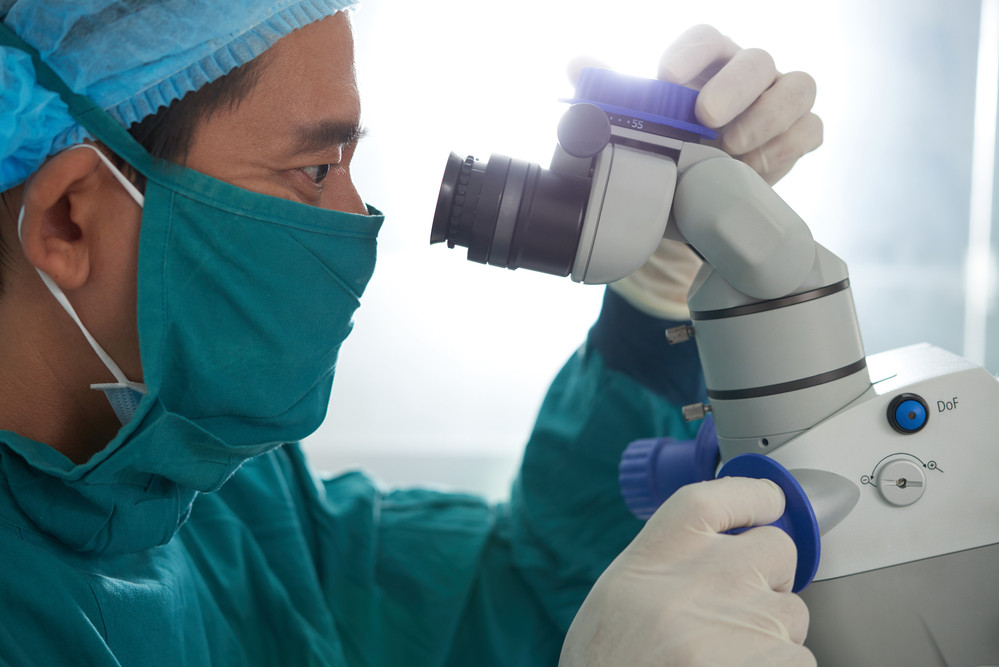
Many people may think endoscopy is only for adults, but nowadays, medical innovation has advanced significantly, making Pediatric Endoscopy highly safe. It uses instruments specifically designed for children, performed by pediatric gastroenterologists and hepatologists together with anesthesiologists to ensure safety throughout the procedure.
Pediatric gastrointestinal endoscopy is divided into 2 main types based on the objective and the targeted area for examination.
This involves using a small, highly flexible endoscope equipped with a light and a high-definition camera at the tip. The examination is divided into 2 parts:
The advantage of flexible endoscopy is that, in addition to helping doctors clearly visualize internal structures, it also enables tissue biopsy for laboratory testing or immediate treatment, such as stopping bleeding, removing polyps, or extracting foreign objects.
This is an innovation designed to examine the mid-small intestine, which flexible scopes cannot reach. The child swallows a pill-sized capsule containing a tiny camera inside. The capsule moves through the digestive system via natural peristalsis while capturing and transmitting images to an external recording device before being excreted naturally in the stool.
Caution: This method has a major contraindication in children suspected of having intestinal obstruction or stricture, as the capsule could get stuck and cause harm.
Endoscopy in children is not as scary as you might think. The procedure begins with a thorough physical assessment of the child. The child will need to fast from food and water for the period specified by the doctor to ensure the stomach and intestines are empty. During the procedure, the anesthesiologist will administer sedatives or anesthesia so the child sleeps comfortably, feels no pain, and is less anxious. After the procedure is completed, the child will recover in the hospital for a period, and once fully recovered with no complications, they can go home.

A: It is extremely safe if performed by a pediatric gastroenterologist and anesthesiologist in a standard hospital. Although there are minor risks, such as side effects from anesthesia or bleeding, the chance of occurrence is very low.
A: Yes, it can be done. Currently, there are ultra-small pediatric scopes designed specifically for infants and young children.
A: There may be a feeling of fullness or mild bloating from the air introduced to expand the intestines during the exam, or minor throat irritation, but these symptoms will resolve on their own within 1-2 days.
A: Generally, it is performed as an outpatient procedure (Day Case). Once the child has fully recovered after the anesthesia wears off, they can go home, except in cases involving complex procedures or underlying medical conditions that require monitoring.
Abdominal pain, vomiting, or abnormal bowel movements in children should not be overlooked or left to become chronic, because targeted treatment starts with a correct diagnosis. Pediatric gastrointestinal endoscopy is a safe, clear medical innovation that helps doctors accurately find the cause of the condition. If you notice warning signs in your child, you should promptly take them to see a specialized pediatric gastroenterologist for an evaluation so that children can return to good health, eat well, sleep soundly, and grow appropriately for their age.
Pediatrics Pediatrics Gastroenterology and Hepatology

Pediatric Infectious Disease

PEDIATRIC CARDIOLOGY

Pediatrics Pediatric Nutrition