Messenger

Shortness of Breath and Chest Tightness: Causes and Treatments

November 11 / 2026

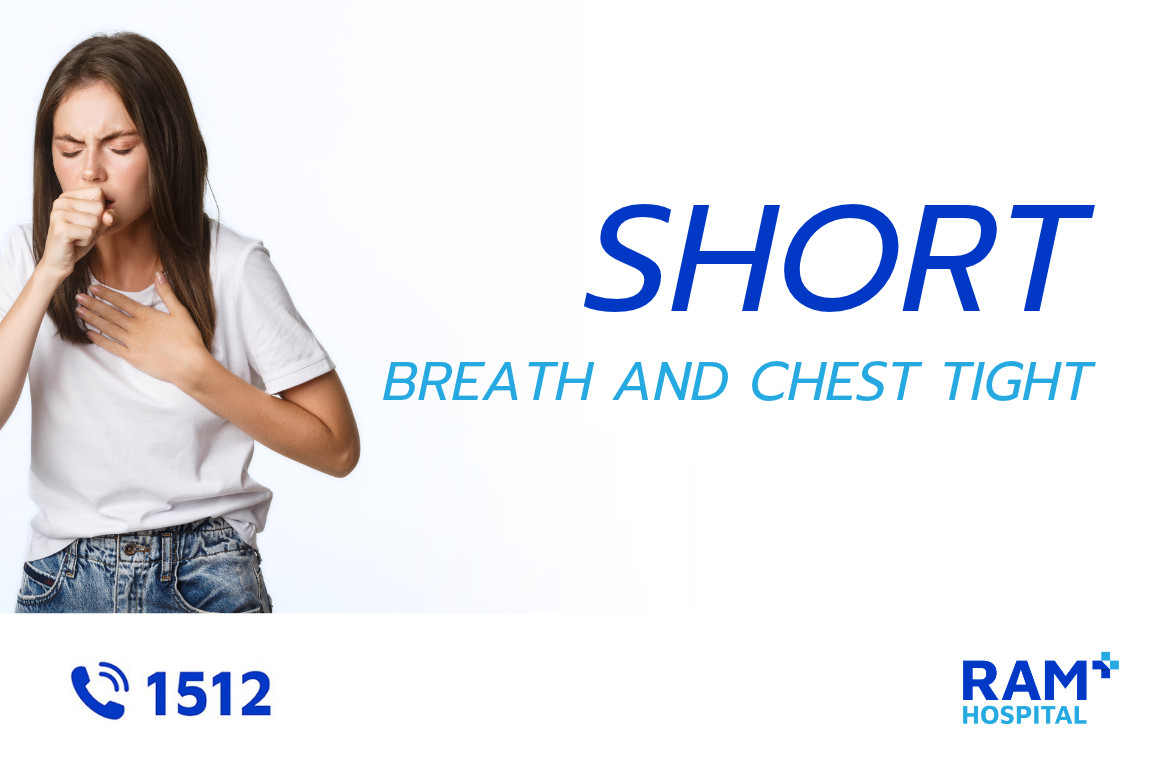
Shortness of Breath and Chest Tightness


     Shortness of breath and chest tightness are distressing physical discomforts that cause significant panic and unease. Patients often feel as though they cannot fill their lungs with air, breathe shallowly, or need to exert more effort than usual. Understanding the causes, mechanisms, and proper coping methods helps assess risks and care for oneself safely.


What Causes Shortness of Breath? ? Causes and Physiological Mechanisms

This condition can occur when there is an abnormality in respiratory control, the body requires more oxygen, or carbon dioxide accumulates, prompting the brain to increase breathing rate and depth. Causes can be categorized by body systems as follows:


1. Respiratory System and Lungs, such as: 

  • Asthma 
  • Chronic Obstructive Pulmonary Disease (COPD) which narrows the airways 
  • Pneumonia and infections 
  • Pleural effusion (fluid in the pleural cavity) 
  • Pneumothorax (collapsed lung) 


2.  Cardiovascular System, such as: 

  • Acute myocardial infarction (accompanied by severe chest tightness) 
  • Heart failure (causing fluid buildup in the lungs, fatigue when lying flat) 
  • Arrhythmia
  • Pulmonary embolism, which is a medical emergency


3.  Mental and Emotional State

     Severe stress, anxiety disorders, or Panic Attacks trigger rapid and shallow breathing (Hyperventilation), leading to chest tightness and numbness in the fingertips, often associated with anxiety, stress, critical situations, or episodes while being alone.


4.  Other Factors

     Anemia, overweight or obesity putting pressure on the diaphragm, and lack of exercise.


Notice the Difference: Acute vs. Chronic

  • Acute Dyspnea: Occurs within less than a day to a week, often associated with critical conditions such as heart attack, pulmonary embolism, asthma flare-up, pneumonia, or bronchitis. 
  • Chronic Dyspnea: Persists for weeks or months, commonly found in chronic lung disease, heart failure, anemia, sedentary individuals, or those with muscle weakness.


6 Emergency Warning Signs Requiring Immediate Medical Attention

If the following symptoms occur, rush the patient to the hospital as soon as possible.
 

  • High fever, fatigue, lethargy
  • Severe chest pain radiating to the arm, neck, jaw, or back
  • Sudden and severe shortness of breath that does not ease even after resting for more than 30 minutes
  • Wheezing or severe rattling breathing sounds
  • Confusion, dizziness, fainting, or loss of consciousness
  • Swollen legs or inability to lie flat


Guidelines for Initial Relief and Self-Care

1. In cases of non-severe conditions (e.g., Panic)

Postural Adjustment

  • Forward-leaning sitting position: Sit on a chair, lean slightly forward, and place elbows on knees to help the diaphragm function better.
  • High head elevation position: Use pillows to support the back and shoulders in a higher position to reduce blood congestion in the lungs.
  • Using a Handheld Fan (Fan Effect): Turn on a gentle fan so airflow passes across the middle of the face, around the nose, and above the upper lip at a distance of about 6 inches. The cooling sensation helps stimulate the 5th cranial nerve, reducing the feeling of air hunger and relieving anxiety.


2. In cases caused by chronic lung disease

  • Pursed-Lip Breathing: Inhale slowly through the nose counting 1-2, then purse lips and exhale for twice as long (counting 1-4). This helps prevent airway collapse and expels trapped air from the lungs.
  • Behavioral Adjustment: Perform activities slowly and avoid triggers such as cigarette smoke or dust.
  • Medical Care: A doctor will consider treatment based on the type and cause of the disease, using bronchodilators, diuretics, or other medications strictly as prescribed.


Shortness of breath, chest tightness


FAQ Frequently Asked Questions

Q1: How does stress-induced chest tightness differ from heart disease? ?

A: Stress is usually accompanied by anxiety, rapid breathing, numbness in the fingertips, and improves when practicing slow breathing. Heart disease usually involves pressing pain like a heavy weight, radiating to the jaw or arms, fatigue, and cold sweats.


Q2: What first aid should be given if sudden symptoms occur? ?

A: Stop activities immediately, sit leaning forward, loosen clothing, open windows for ventilation, use a fan to blow air on the face, and practice pursed-lip breathing. If symptoms do not improve within 10–15 minutes or if accompanied by chest tightness, call 1669 or 1512 (Ramkhamhaeng Hospital) immediately.