Epigastric Pain is pain located just below the sternum (breastbone) or directly above the navel in the center of the upper abdomen. This area houses several vital organs, including the stomach, esophagus, duodenum, liver, gallbladder, pancreas, and the inferior wall of the heart muscle.
Location and Characteristics of Epigastric Pain
Patients typically experience central epigastric pain with varying characteristics depending on the underlying cause:
- Epigastric tightness and bloating: A feeling of fullness, discomfort, or pressure, often occurring after meals.
- Burning pain: A burning sensation beneath the breastbone or in the upper abdomen, associated with stomach acid secretion.
- Cramping or dull aching pain: Intermittent or chronic pain associated with an empty stomach or occurring late at night.
Common Causes of Epigastric Pain
- Gastritis and Peptic Ulcer Disease: Burning pain and bloating often related to meals (pain before meals when the stomach is empty, or immediately after eating).
- Gastroesophageal Reflux Disease (GERD): Heartburn, a lump-in-the-throat sensation, and epigastric tightness, often accompanied by sour belching (acid regurgitation) or difficulty swallowing.
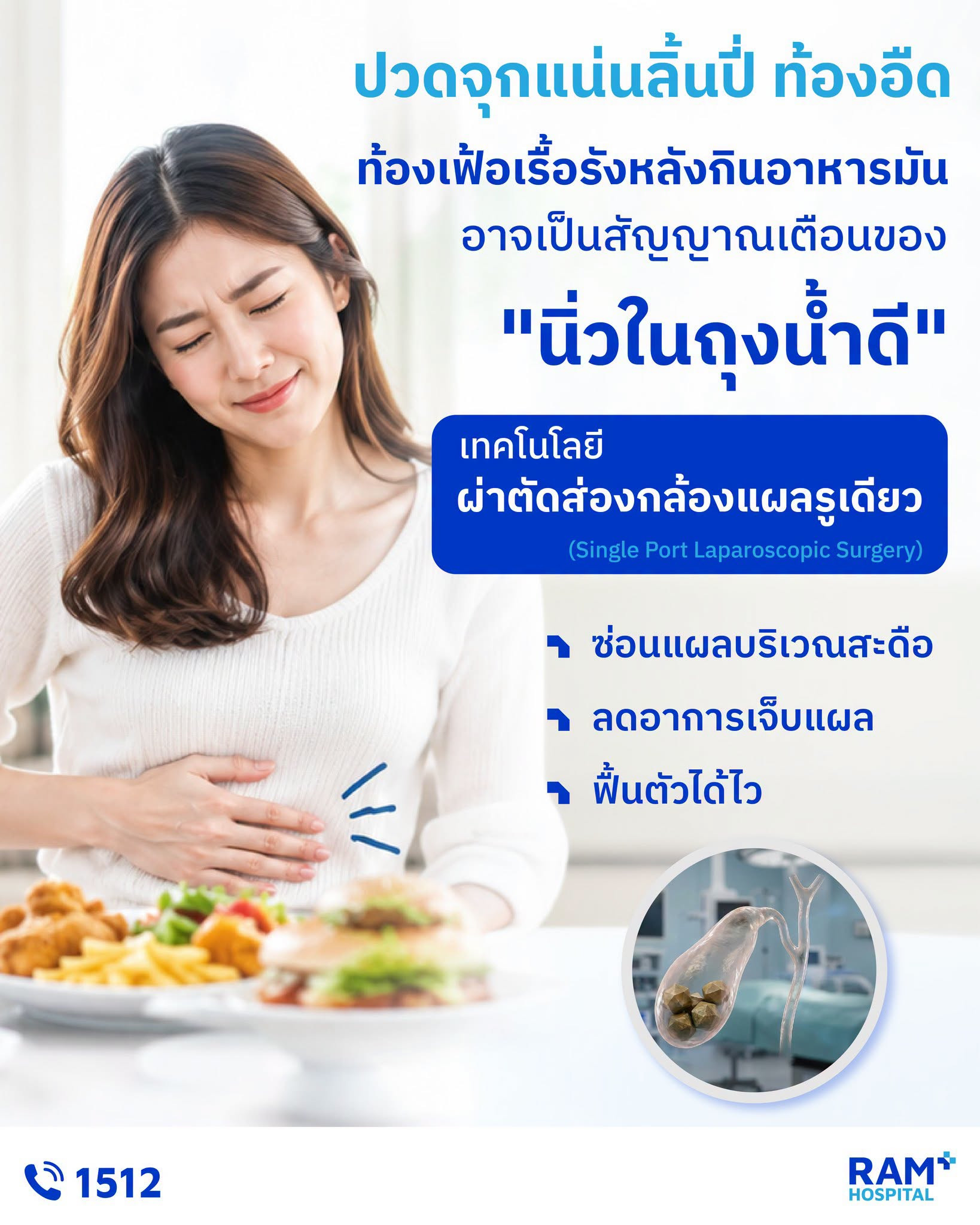
- Gallstones and Cholecystitis: Colicky or cramping pain under the right rib cage or epigastrium, usually triggered after a heavy or high-fat meal; pain may radiate to the right shoulder blade.
- Acute Pancreatitis: Sudden, severe epigastric pain notably characterized by pain radiating straight through to the back, which slightly improves when leaning forward.
- Acute Myocardial Ischemia (Heart Attack): Coronary artery blockage often presents as chest tightness feeling like a heavy weight pressing down, radiating to the jaw or left arm, accompanied by nausea and cold sweats.
Self-Care and Initial Symptom Relief
- Use basic household over-the-counter medications.
- Adjust your posture: Sit upright or lean back slightly; avoid lying flat immediately after symptoms start or right after meals.
- Modify eating habits: Avoid spicy foods, tea, coffee, alcohol, and fried or greasy foods.
- If excess stomach acid or acid reflux is suspected: Liquid antacids or alginate-based medications can be taken to coat and protect the digestive tract.
Precaution: Strictly avoid taking NSAID painkillers (such as ibuprofen or naproxen), as they irritate the stomach lining and may cause gastrointestinal bleeding.
5 Dangerous Warning Signs Requiring Immediate Hospital Care
- Sudden, severe pain unlike anything experienced before
- Dizziness, fainting, loss of consciousness, sweating, and cold skin
- Vomiting fresh blood or coffee-ground-like material
- Black, tarry stools (melena)
- High fever and chills accompanied by yellowing of the eyes and skin (jaundice)
FAQ Frequently Asked Questions
Q1: Is central epigastric pain after eating caused by a stomach ulcer or indigestion ?
A: If epigastric pain or bloating occurs immediately after eating alongside early satiety (feeling full quickly), it aligns more with functional dyspepsia or gastritis. Stomach ulcers typically cause burning pain on an empty stomach that improves after eating. You should consult a doctor for an endoscopic diagnosis.
Q2: What kind of epigastric pain indicates a risk of an epigastric hernia ?
A: A key sign is feeling a soft bulge below the breastbone and above the navel that becomes more prominent when standing or coughing. If the lump becomes severely painful, hard, cannot be pushed back in, or turns dark/bluish, it is a medical emergency.
Q3: If the pain disappears after taking antacids for 3 days, can I stop taking the medication on my own ?
A: You should not stop taking the medication on your own; it should be managed under the supervision of a gastroenterologist.
Q4: Can epigastric tightness be a sign of heart disease ?
A: Yes, especially acute myocardial ischemia. If you experience crushing tightness radiating to the neck, jaw, or left arm accompanied by cold sweats and shortness of breath, go to the hospital immediately.
References (References)
- Faculty of Medicine Siriraj Hospital, Mahidol University — Health Article on "Peptic Ulcer Disease / Gastritis" by Clin. Prof. Dr. Udom Kachintorn, Department of Medicine.
- Mayo Clinic — Medical Knowledge Index: "Abdominal pain - Causes and definition" & "Indigestion - Symptoms and causes".
- Cleveland Clinic — Health Library: "Functional Dyspepsia: What It Is, Symptoms & Treatment" & "Epigastric Hernia: Symptoms, Causes, Treatment & Surgery".