นพ. PANUWAT WONGKULAB, M.D.
Infectious Diseases




Rabies or Hydrophobia (Rabies, Hydrophobia) is caused by the (Rabies Virus), which can be transmitted from warm-blooded animals and mammals to humans. Transmission can occur simply through a wound caused by the bite of an infected animal, as well as from scratches or licks on areas with existing scratches or open wounds.
Rabies can be transmitted through the saliva of an infected animal via the mouth, nose, eyes, and wounds. The most critical animal vectors include dogs and cats, though it can also be found in other domestic animals such as pigs, horses, cattle, and buffalo, as well as wildlife like monkeys, gibbons, squirrels, and treeshrews. Once a person is infected and does not receive proper post-exposure prevention, symptoms usually appear within 15–60 days after exposure, though some cases may show symptoms in fewer than 10 days or even up to a year. Since there is currently no cure for rabies once symptoms appear, prevention is of the utmost importance.
Infected individuals will initially develop headaches, low-grade fever, sore throat, muscle aches, loss of appetite, and fatigue.

In the later stages, the patient will experience paralysis, lose consciousness, and pass away within 2-7 days from the onset of clinical symptoms.
The animal's behavior and temperament will noticeably change from normal.
- However, some animals may exhibit the "dumb" form of rabies, skipping the aggressive stage entirely. They may appear lethargic, show mild tremors, or present no obvious symptoms, choosing instead to hide in dark, quiet places and refuse food.
- They might claw at their throat as if a bone is stuck, without showing signs of aggression, but will bite if disturbed. Therefore, close caution is required, and medical evaluation is necessary.


Prevention is the most critical aspect regarding rabies. Bites should be avoided as much as possible. If a bite occurs, remember the rule: “Dog bites: Wash the wound, apply medication, quarantine the dog, see a doctor, and complete the full vaccine series” according to the following steps:
Have your pets, such as dogs and cats, vaccinated against rabies at least 1 time per year. Under the Rabies Act, owners are required to bring puppies/kittens for their first vaccination between the ages of 2-5 months, with a booster shot administered 1-3 months after the initial dose.
We can reduce the risk of animal bites by practicing the 5 Don'ts: “Don't tease, Don't step on, Don't separate, Don't pick up, Don't engage” Meaning: Don't tease dogs or other animals to provoke anger; Don't step on their tail, head, body, or legs, or startle them; Don't use bare hands to separate fighting dogs or animals; Don't pick up food bowls or move their food while they are eating; and Don't engage with unfamiliar or stray dogs and animals.
Avoid letting children play closely with animals that have not been vaccinated or whose vaccination history is unknown. Bring pets for vaccination as soon as possible, as animals develop proper immunity roughly 1 month after receiving the vaccine. Furthermore, if you wish to prevent unwanted litters, consider pet contraception methods such as spaying, neutering, or structural birth control.
Dispose of trash and food scraps in tightly covered bins, or eliminate them through burial or burning to avoid creating food sources for stray animals. Keep your pets under responsible care and don't allow them to roam freely or cause nuisances to others.
If you spot a dog or animal showing signs suggestive of rabies, immediately notify livestock officials, public health authorities, sub-district administrative organizations, or municipal offices. This allows for swift disease control to prevent spreading and ensures that anyone bitten or scratched by that animal can be traced and brought in for vaccination.
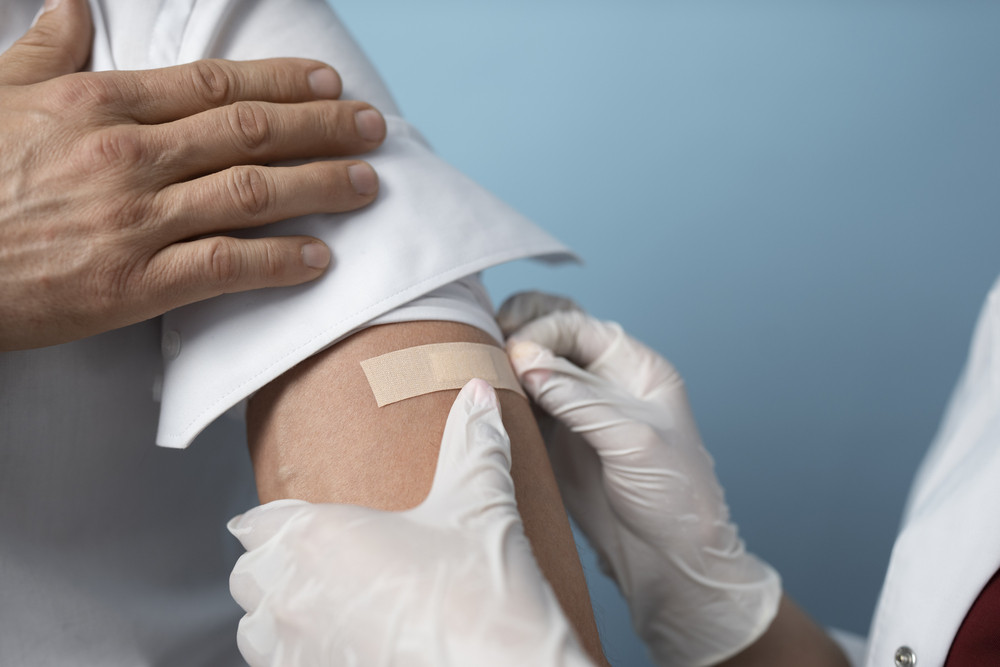
When bitten by a dog or a mammal:
Special thanks for information from: Department of Disease Control, Ministry of Public Health
You should avoid animal bites as much as possible. If a bite occurs, you must remember to: “Wash the wound, apply medication, quarantine the dog, see a doctor, and complete the full vaccine series.”
Infectious Diseases

Specialist in infectious disease Clinical Microbiologist

Infectious Disease