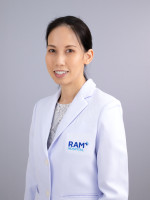
พญ. METHINEE TUNNUKIT, M.D.
Pediatrics Pediatrics Gastroenterology and Hepatology




Trends in health care, diet, and exercise are gaining immense popularity among young adults, older adults, and the elderly. This shift is driven by individual beliefs and an increasing awareness of various diseases widely shared across multiple platforms, especially social media.
Previously, the phrase “Nutrition and Diet” might not have received widespread attention, even though it is vital for patients and individuals across all age groups. Today, however, it has become a major “focus,” with “Dietitians” stepping into a key role to help patients and the general public understand dietary choices that maximize health benefits when recommendations are followed consistently.
Today, a “Dietitian” is recognized as a healthcare professional who undergoes academic training similar to doctors, but specializes deeply in nutrition and tailored dietary plans for patients with specific medical conditions as well as individuals in different life stages. In hospitals, dietitians are acknowledged medical personnel and integral members of the “multidisciplinary team.” Their primary responsibilities involve assessing nutritional status, calculating energy and nutrient requirements, and prescribing appropriate dietary plans to support medical treatment—a process known as “medical nutrition therapy,” making them essential assistants to doctors.
Looking back several years ago when the profession of “Dietitian” was not yet widely established in local hospitals, many may recall that there were primarily “Nutritionists” whose main duties were in the kitchen managing patient meals according to physician orders. They rarely provided direct, close nutritional care to patients, leaving patients with limited access to in-depth dietary guidance. However, as medical science has continually advanced,
Increasing emphasis is now placed on patient nutritional health. Consequently, dietitians play a pivotal role today in providing personalized nutritional counseling to ensure proper eating habits for each patient, as well as pregnant women, lactating mothers, and individuals seeking to gain or lose weight.
Furthermore, healthy individuals looking to prevent various diseases can also benefit—especially regarding non-communicable diseases (NCDs) such as Diabetes, Hypertension, High Blood Cholesterol, Obesity, Cerebrovascular and Cardiovascular Diseases, Cancer, and more. Proper dietary habits play a crucial role in preventing these conditions. Individualized nutritional care is an integral part of the therapeutic process.
In addition to medical treatment, lifestyle modifications—including diet and physical activity—are vital elements of holistic care. The objective goes beyond merely curing or controlling disease; it encompasses preventing future complications, enhancing quality of life, and fostering long-term wellness.
To qualify as a “Dietitian,” one must undergo comprehensive academic and practical professional training. This encompasses nutrition and medical nutrition therapy, disease pathology, the relationship between diet and disease, and drug-nutrient interactions. Typically, practitioners hold a degree in Nutrition and Dietetics or related therapeutic nutrition fields, complete hospital internships in compliance with regulations set by the Professional Board of Dietetics, and pass national examinations to obtain a professional license as a registered dietitian practitioner in Thailand.
A “Nutritionist” is a graduate in nutrition science who possesses the knowledge to plan and oversee patient meal services in hospitals and provide general dietary advice. However, after acquiring sufficient hospital clinical experience, they can sit for the professional examination to become a licensed “Clinical Registered Dietitian.”
In reality, these services are not limited to hospital patients. Anyone seeking to maintain or improve their overall health can consult a “Dietitian” or “Nutritionist” for valuable insights. Adopting the dietary guidance provided by a “Dietitian” or “Nutritionist” will undoubtedly lead to better long-term health.
Proper eating habits help prevent diseases, and personalized nutritional care forms an essential part of the healing process.
Pediatrics Pediatrics Gastroenterology and Hepatology

MED- GI

Gastroenterology and Hepotology


