

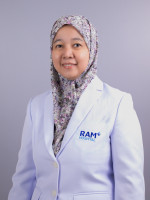
VARUNEE NIVATVONGS, M.D.
Peditrics

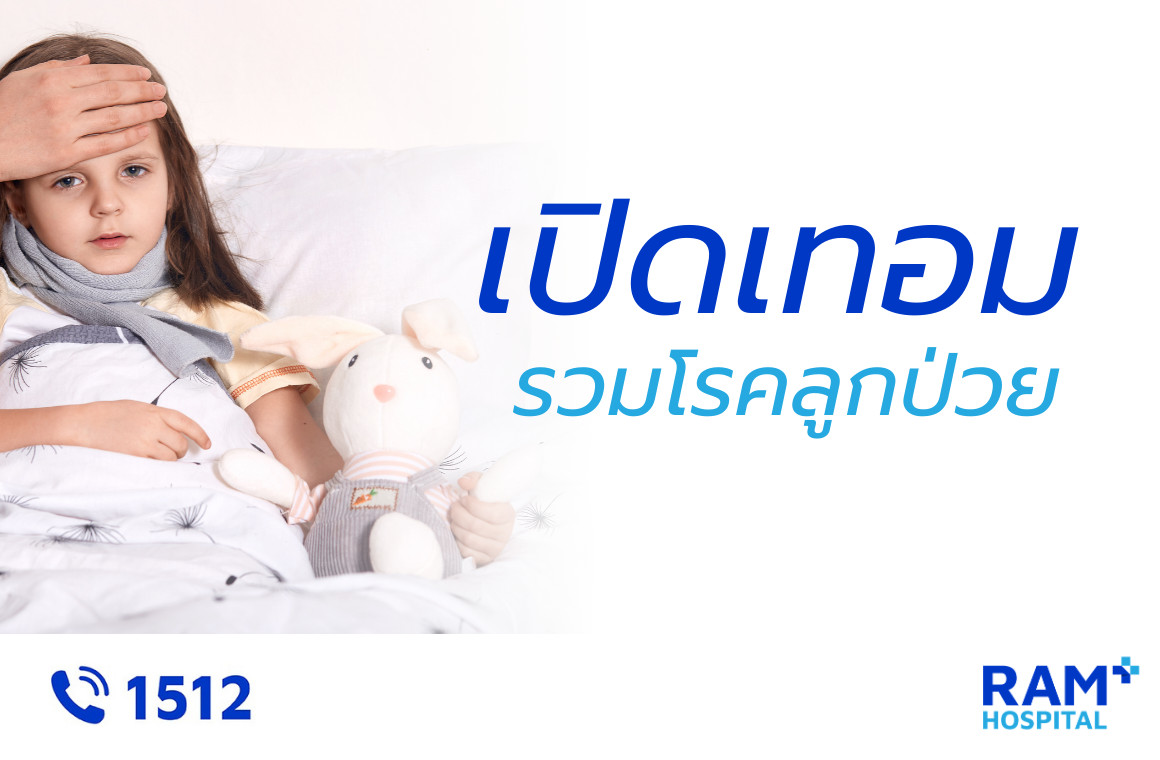
เมื่อเข้าสู่ช่วงเปิดภาคเรียน ซึ่งเป็นจังหวะเดียวที่สภาพอากาศที่เข้าสู่ฤดูฝน ลูกน้อยจำต้องได้รับการดูแลเป็นพิเศษ เพราะยังเด็กและมีภูมิคุ้มกันต้านโรคที่ยังไม่แข็งแรง กิจกรรมในโรงเรียนจึงเป็นโอกาสสำคัญที่เชื้อโรคจะแพร่กระจายถึงกันได้ง่าย ดิฉัน พญ. วารุณี นิวาตวงศ์ ขอแนะนำ 6 โรคยอดฮิตที่มักพบในช่วงเปิดเทอม เพื่อให้ทุกครอบครัวร่วมกันสังเกตอาการและป้องกันอย่างถูกวิธีค่ะ
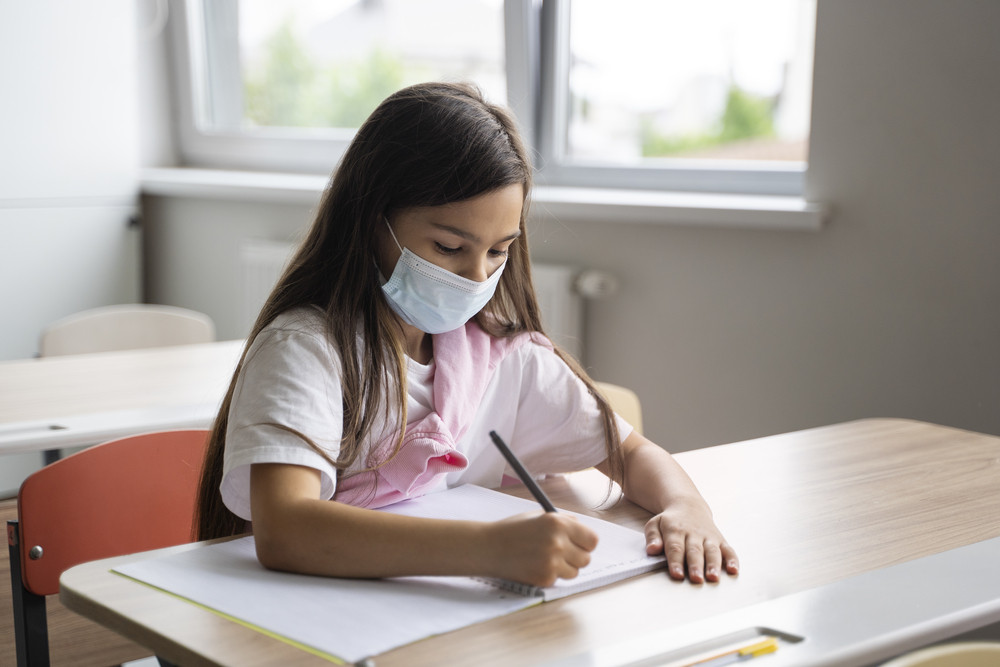
แม้สถานการณ์จะคลี่คลาย แต่ยังคงต้องเฝ้าระวังเชื้อไวรัสโคโรนาที่ติดต่อผ่านละอองฝอยและการสัมผัส อาการสำคัญคือไข้สูง อ่อนเพลีย ไอ เจ็บคอ หรือบางรายอาจมีอาการทางระบบทางเดินอาหารร่วมด้วย การสวมหน้ากากอนามัยและการล้างมืออย่างสม่ำเสมอยังเป็นหัวใจสำคัญในการป้องกันค่ะ
โรคตาแดงเกิดจากการติดเชื้อแบคทีเรียหรือไวรัสที่เยื่อบุตา ติดต่อง่ายผ่านการสัมผัสสิ่งคัดหลั่งหรือของใช้ร่วมกัน หากพบลูกน้อยตาแดง มีขี้ตามาก ควรพบจักษุแพทย์ทันทีเพื่อรับยาหยอดตาที่เหมาะสม และงดการขยี้ตาเพื่อป้องกันการอักเสบที่รุนแรงขึ้น
โรคมือเท้าปาก (HFMD) มักเป็นโรคยอดฮิตในสถานรับเลี้ยงเด็กและโรงเรียนอนุบาล สังเกตได้จากตุ่มน้ำใสหรือผื่นแดงที่ฝ่ามือ ฝ่าเท้า และแผลในปากที่ทำให้เด็กๆ ทานอาหารได้น้อยลง การคัดกรองเด็กป่วยและหมั่นทำความสะอาดของเล่นคือวิธีตัดวงจรการแพร่เชื้อที่ดีที่สุดค่ะ
อ่านเพิ่มเติม : ไข้หวัด โรคที่เป็นได้ทุกฤดู
อุจจาระร่วงเฉียบพลัน หรือ 'Diarrhea' มักเกิดจากอาหารหรือน้ำดื่มที่ไม่สะอาด รวมถึงพฤติกรรมการหยิบของเล่นเข้าปาก หากลูกมีอาการถ่ายเหลวเกิน 3 ครั้งต่อวัน หรือมีอาการอาเจียนร่วมด้วย ควรให้ดื่มน้ำเกลือแร่ (ORS) เพื่อป้องกันภาวะขาดน้ำ
หากมีอาการซึม อ่อนเพลียมาก หรือทานอาหารไม่ได้ ควรรีบพบแพทย์โดยทันที
ไข้หวัดใหญ่ (Influenza) มักแสดงอาการรุนแรงกว่าหวัดธรรมดา เช่น ไข้สูงปรี๊ด หนาวสั่น และปวดเมื่อยตามตัว หากไม่ได้รับการรักษาทันท่วงทีอาจเสี่ยงต่อภาวะปอดอักเสบ การฉีดวัคซีนไข้หวัดใหญ่เป็นประจำทุกปีจะช่วยลดความรุนแรงของโรคได้ค่ะ
โรคไข้เลือดออก (Dengue Fever) เป็นภัยร้ายที่มากับยุงลายในฤดูฝน หากลูกมีไข้สูงลอยติดต่อกัน 2-3 วันโดยไม่มีน้ำมูก ควรรีบตรวจเช็กอย่างละเอียด เพราะหากเข้าสู่ระยะช็อกอาจเป็นอันตรายถึงชีวิต การกำจัดแหล่งน้ำขังรอบบ้านจึงเป็นเรื่องที่ไม่ควรละเลยค่ะ
หัวใจสำคัญคือการสร้างสุขอนามัยที่ดีค่ะ เริ่มต้นได้ด้วยการรับประทานอาหารปรุงสุกสะอาดครบ 5 หมู่ พักผ่อนให้เพียงพอ และฝึกให้ลูกน้อยล้างมือจนเป็นนิสัย ขณะเดียวกันทางสถานศึกษาควรเข้มงวดเรื่องความสะอาดของพื้นที่ส่วนรวม เพื่อสร้างสภาพแวดล้อมที่ปลอดภัยให้กับเด็ก ๆ ทุกคนค่ะ
ด้วยความห่วงใยในสุขภาพของลูกน้อย... หากพบความผิดปกติเพียงเล็กน้อย อย่าลังเลที่จะปรึกษากุมารแพทย์เพื่อการวินิจฉัยที่แม่นยำและรวดเร็วนะคะ เพื่อความสะดวกและเป็นส่วนตัวมากยิ่งขึ้น โปรดนัดหมายแพทย์ล่วงหน้าเพื่อให้เราได้เตรียมสิ่งที่พร้อมให้ลูกคุณได้ทันเวลาค่ะ
ปรับปรุงข้อมูลโดย: พญ. วารุณี นิวาตวงศ์
30 พฤษภาคม 2566
Peditrics

ทันตกรรมสำหรับเด็ก
จิตเวชเด็กและวัยรุ่น

กิจกรรมบำบัด


