TARITA JARUCHANAPONGTORN, M.D.
Pediatric Critical Care Medicine



Accidents and emergencies in children are situations that require immediate medical attention to prevent severe consequences to the child's health. Recognizing the symptoms that warrant immediate care is crucial. We outline the accidents and medical emergencies that parents or caregivers should watch out for and seek prompt hospital treatment for proper medical care.
When severe accidents occur involving toxic ingestion or medication overdose, or in cases of severe injuries with uncontrollable bleeding that cannot be stopped despite applying pressure or using a cloth, it is absolutely critical to rush the child to the hospital immediately.
Receiving immediate care from a specialist can significantly mitigate the risk of dangers caused by toxins or severe blood loss, which could otherwise have a long-term impact on the child's health.

'The brain will begin to suffer from oxygen deprivation within just 4 minutes, after which severe, irreversible damage occurs.' Loss of consciousness in a child is a critical emergency requiring immediate care. It can stem from various underlying causes, such as head injuries, lack of oxygen, severe infections, or heart conditions. Unconsciousness indicates that the central nervous system or brain function is severely compromised, resulting in minimal to no response to external stimuli. If the child is not breathing, the situation is life-threatening and demands immediate Cardiopulmonary Resuscitation (CPR).
If a child loses consciousness in any scenario, first evaluate the cause, such as electric shock or fainting. Rescuers must first move the child to a safe location before initiating basic assessments:
If a child is bitten or stung by a venomous creature, such as a snake bite or insect sting, or suffers a severe animal attack, and exhibits symptoms within 30 minutes—such as fever, joint pain, headache, widespread hives, throat or chest tightness, severe swelling, or loss of consciousness—caregivers must transfer the child to the hospital immediately. If trained in first aid, basic stabilization should be provided before transport.
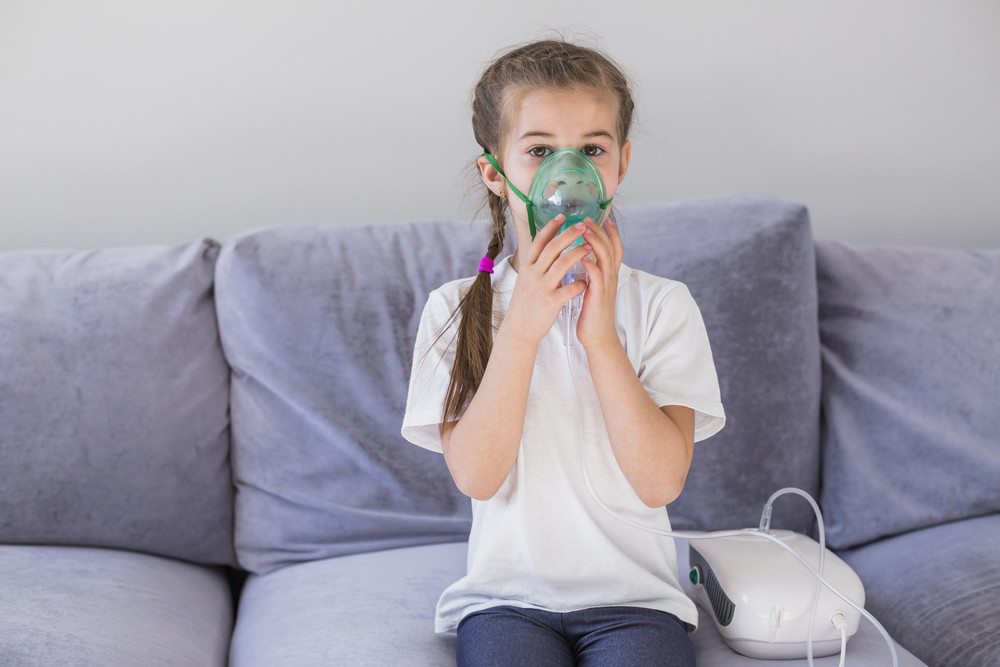
If a child experiences febrile seizures due to high fever, epilepsy, or other causes, do not use objects to pry open the teeth, as fractured teeth could block the airway. For a high fever, wipe down the body with a cloth dampened with lukewarm or room-temperature water. Afterward, rush the child to the nearest emergency room. Never attempt to administer oral medication while the child is actively convulsing.
If the child suffers from severe abdominal pain, withhold all food and drinks, and do not administer any medication. If the pain is accompanied by fever and vomiting, it could indicate acute appendicitis or other severe underlying medical emergencies.
Persistent vomiting, vomiting blood, or passing large quantities of bloody or black stool can indicate internal bleeding in the stomach or intestines.
When infants or toddlers experience diarrhea, passing stools just 3 to 4 times can cause rapid, severe fluid loss. If the child shows signs of severe agitation, fever, dry skin, decreased urination, and profound lethargy, it indicates a dangerous state of dehydration.
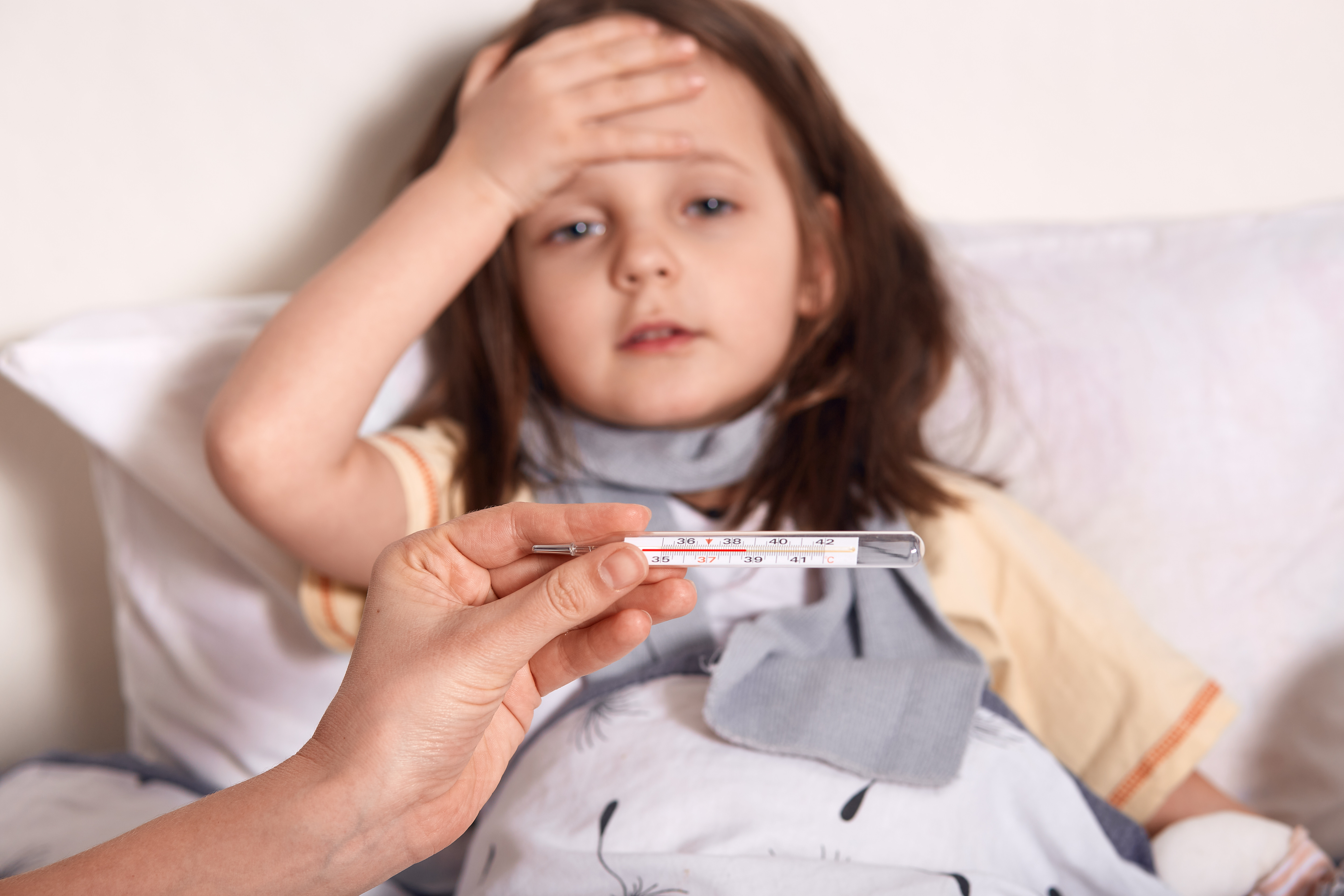
Seizures are a common manifestation in children aged 6 months to 6 years, most frequently caused by a spike in body temperature (febrile seizures). If a child convulses, evaluate for a fever; if present, tepid sponging will help lower the body temperature and usually resolve the seizure. If the convulsion does not stop, transfer the child to the hospital immediately while continuing to sponge the body during transit.
If a child experiences a seizure without a fever, rush them to the hospital immediately. As an initial measure, position the child face-down or on their side to prevent aspiration. If the child stops breathing or turns blue during the seizure, rescue breathing must be administered. Do not place wooden blocks or hard objects between the teeth, as they may break and block the airway. Never attempt to force liquids or oral medications down the throat of an unconscious or actively seizing patient.
If your child is unwell, observe their symptoms closely. In the event of an accident, it is vital to know correct basic first-aid protocols and transport the child to the hospital as quickly as possible.
Pediatric Critical Care Medicine

Developmental and Behavioral pediatrics

CHILD AND ADOLESCENT PSYCHIATRY

Strabismus and Pediatric Ophthalmology