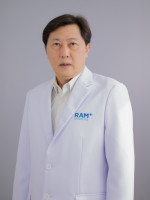
PRACHAYA SRIVANITCHAPOOM, M.D.
Neurology



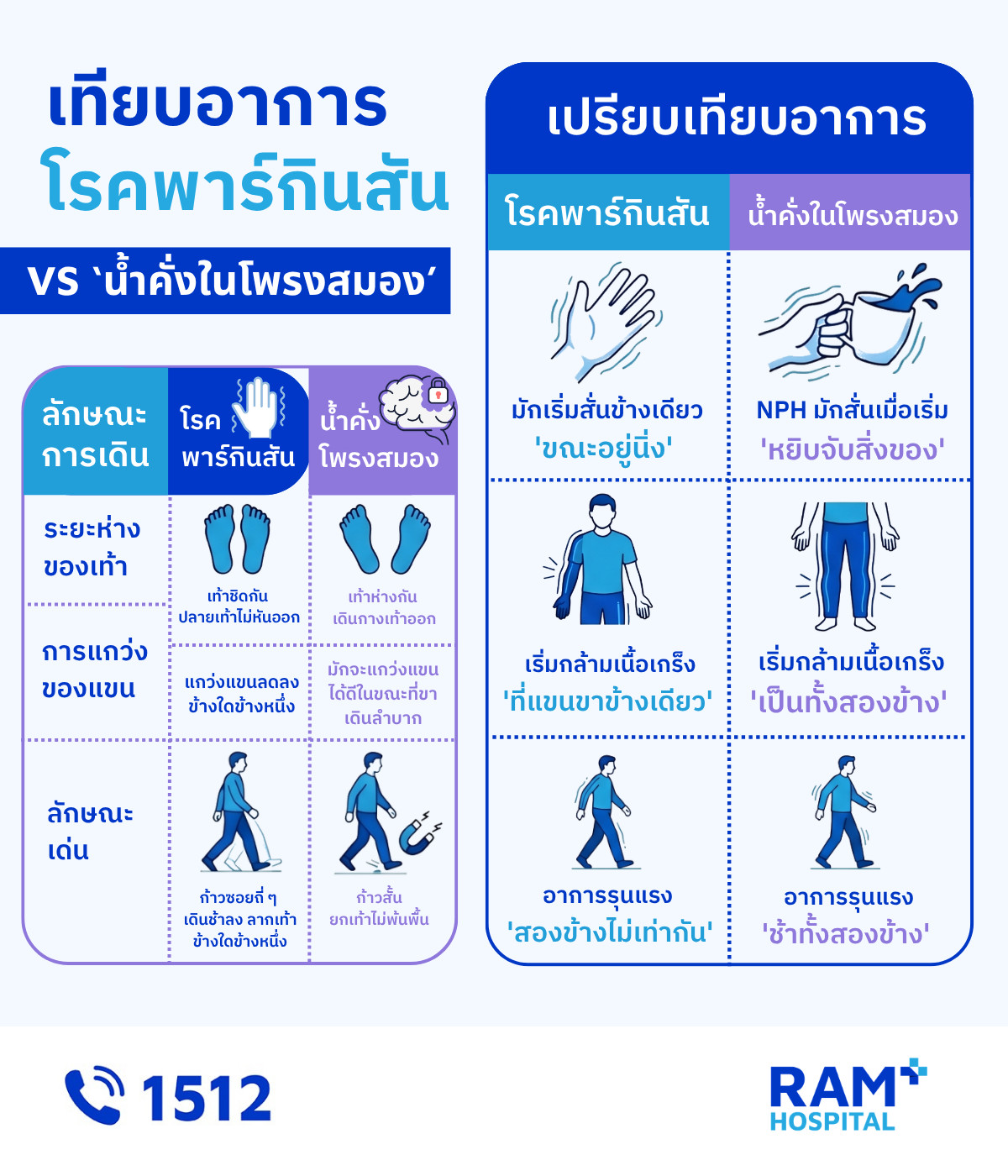
Currently, Thailand has steadily entered an aging society, and the proportion of this population group is expected to continue growing. Parkinson's disease and Normal Pressure Hydrocephalus (NPH) are neurological disorders commonly found in the elderly.
The prevalence of these diseases increases with age. While both conditions share similarities and differences, the key is understanding exactly where they diverge. Recognizing the symptoms and finding the right treatment path allows both patients and caregivers to conduct initial screenings and seek timely medical care.
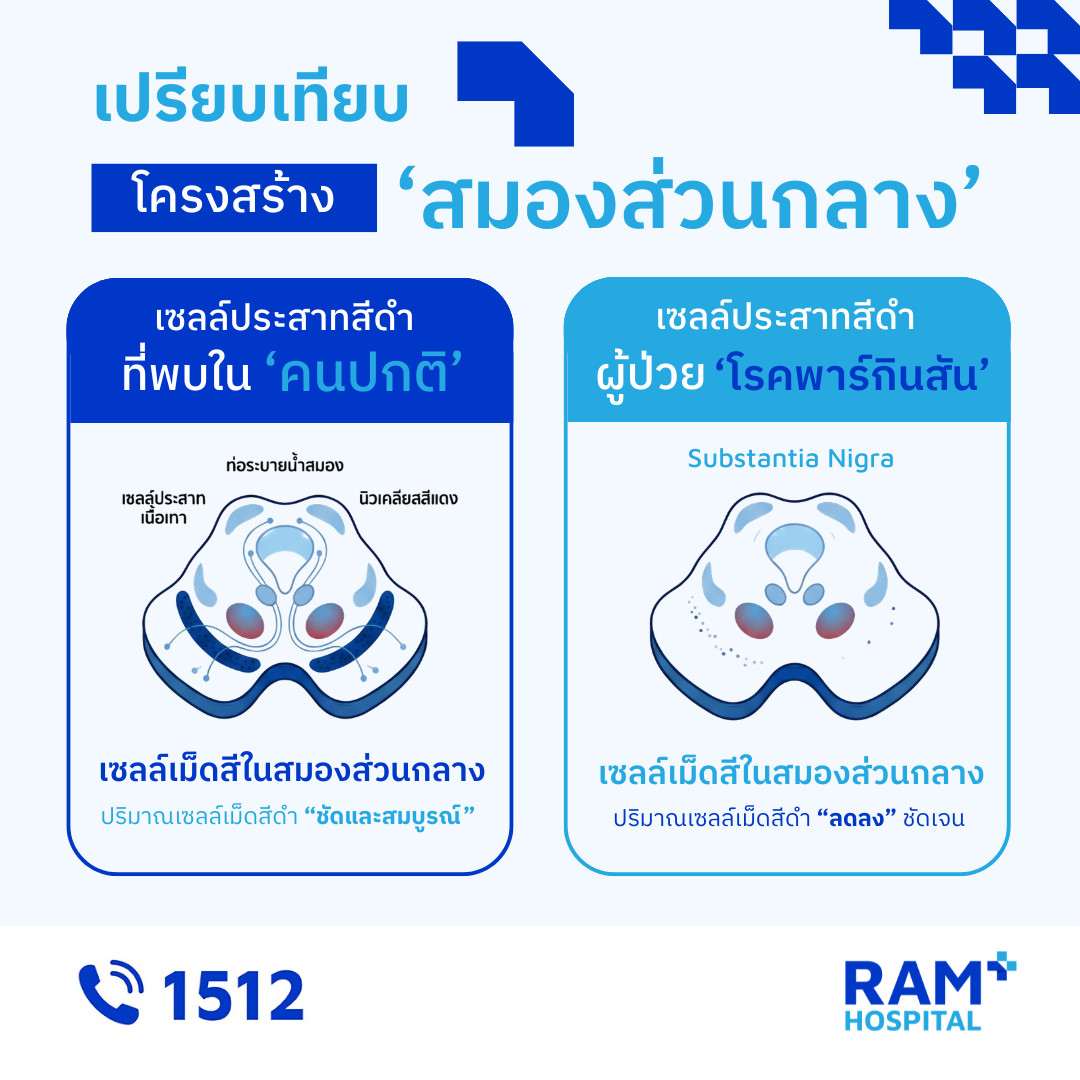
Parkinson’s disease (Parkinson’s disease) is a degenerative neurological disorder affecting nerve cells that produce the neurotransmitter dopamine (Dopamine) located in the upper brainstem (Midbrain). As a result, movement abnormalities are the primary symptoms. This is distinct from patients with dementia or Alzheimer’s disease (Alzheimer’s disease), where forgetfulness is the main symptom. Currently, the definitive causes of Parkinson's disease remain unknown.
Studies indicate an increased risk if there is a history of:
The disease affects approximately 1% of older adults aged 60 and older, and rises to 4% among those aged 80 and above.
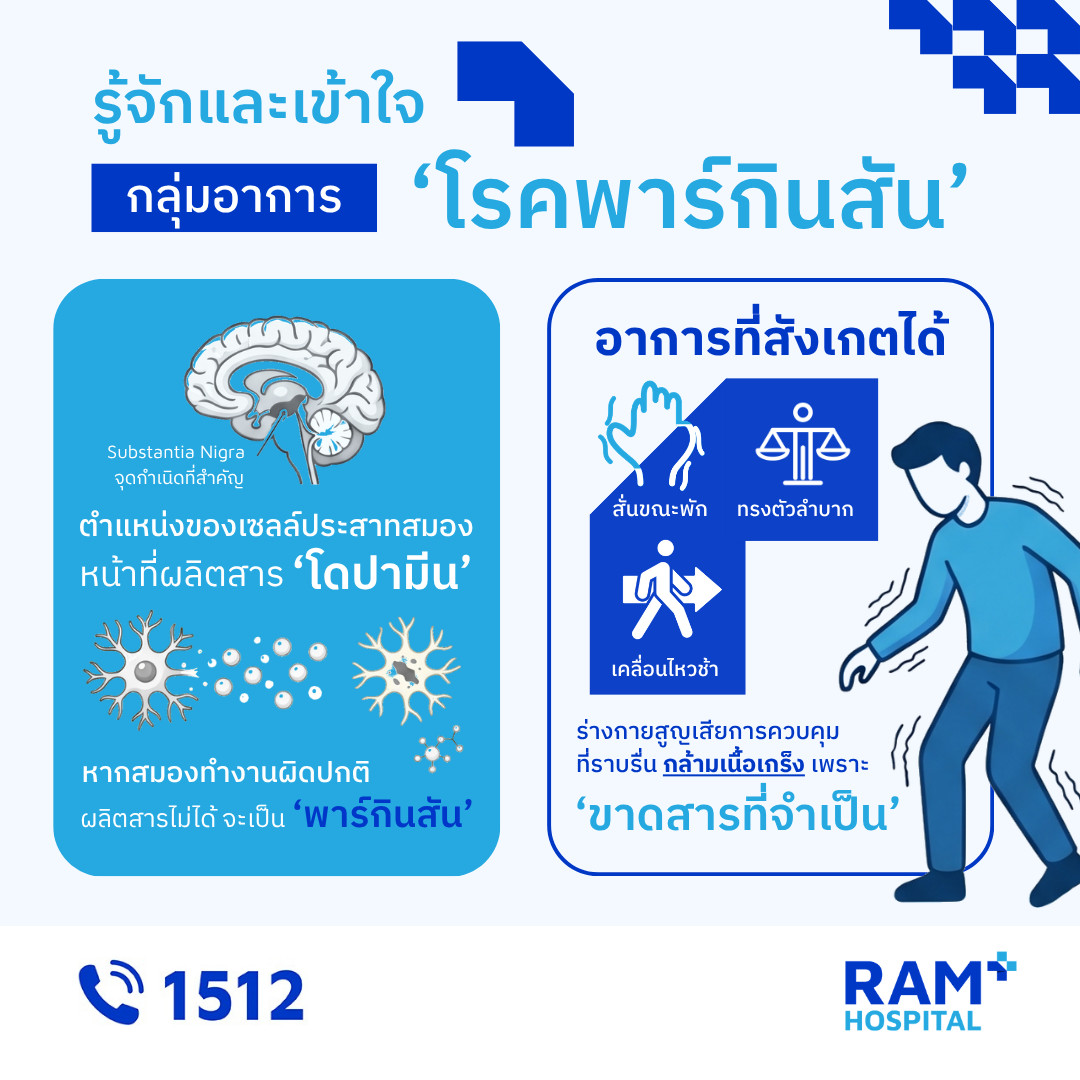
Symptoms of Parkinson's disease are broadly classified into two categories:
These consist of 4 primary signs:
Patients experience impaired balance, making them prone to falls, and often develop a forward-leaning posture of the head and trunk. Other signs include micrographic (smaller handwriting), shuffling gait with short rapid steps, a masked facial expression (loss of emotional expression), or rapid, muffled speech.
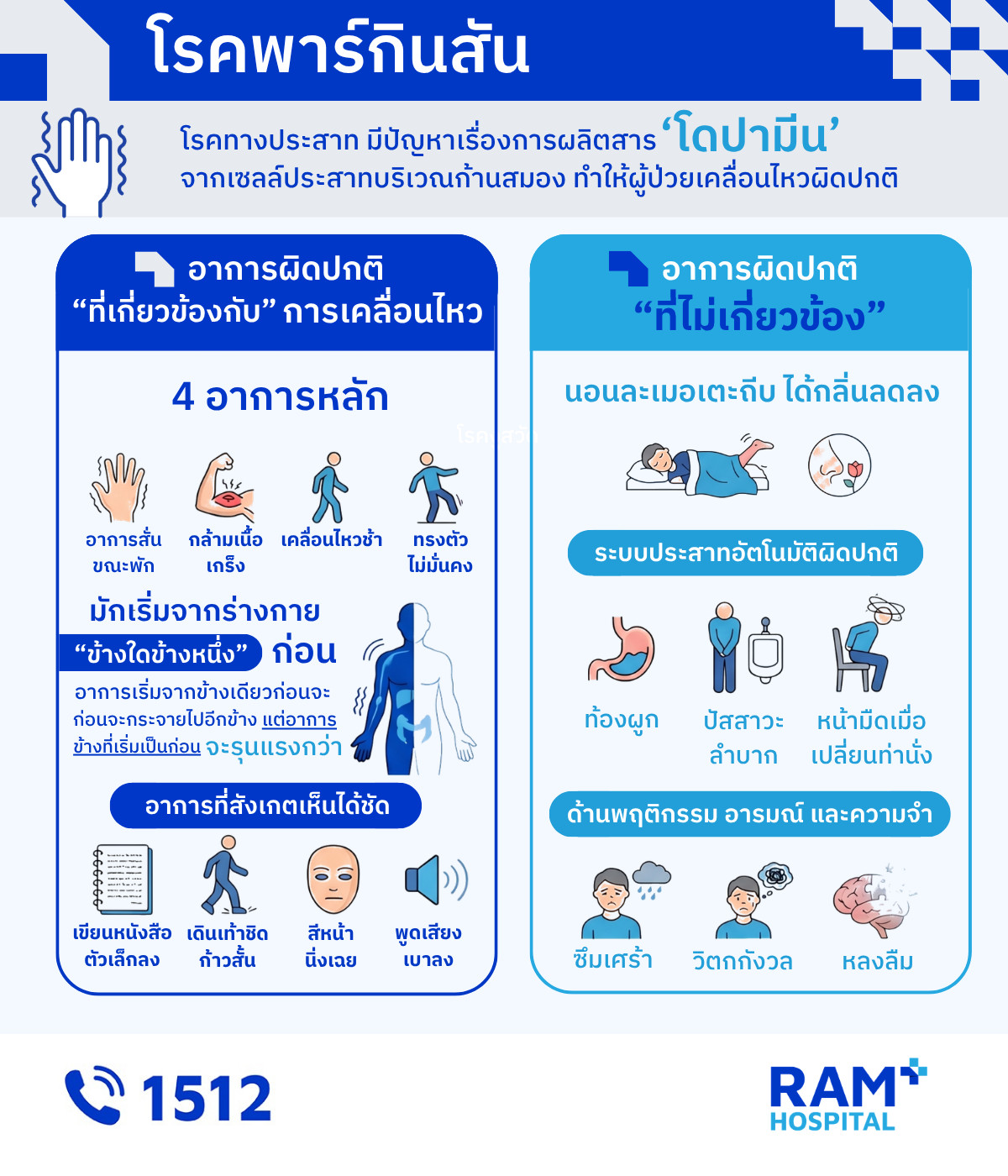
These can appear either years before motor deficits emerge or alongside them. They are categorized into 5 main groups:
Including snoring, nighttime insomnia, daytime drowsiness, or REM sleep behavior disorder (acting out vivid dreams with vocalizations, punching, or kicking), which can serve as an early warning sign.
Including urinary urgency or incontinence, difficulty urinating, chronic constipation, erectile dysfunction, and orthostatic hypotension (dizziness or fainting due to a sudden drop in blood pressure when shifting positions from lying to sitting or standing).
Depression and anxiety can appear early on, whereas memory deficits, confusion, or executive dysfunction and impaired judgment typically surface in the advanced stages of the disease.
A decreased ability or total inability to smell, which frequently precedes motor abnormalities by years.
Aches, sensory changes, or profound fatigue in the limbs, which may occur either during medication "off" periods or "on" periods.
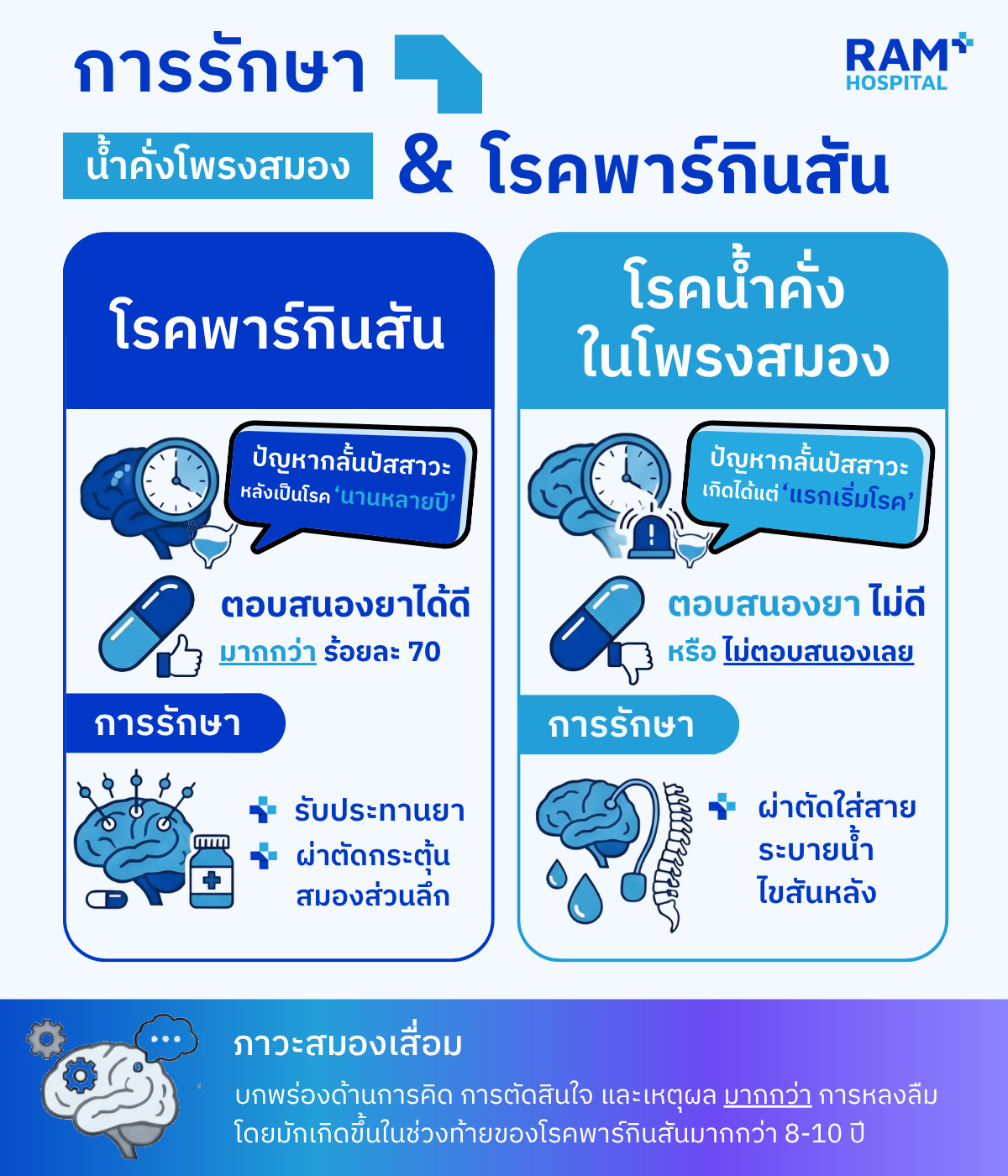
Because it is a progressive neurodegenerative disease, there is currently no cure or definitive way to prevent it. Current medical care focuses on managing symptoms to restore mobility and function. Treatment primarily involves 3 methods:
Most medications are highly effective at controlling rigidity and bradykinesia, though their impact on tremors and balance instability varies. Available classes of medication include:
After 3-5 years of long-term medical therapy, 30-50% of patients experience motor complications. Common manifestations include involuntary fidgety movements (Dyskinesia) during peak drug effects, or a premature wearing off of the drug's benefits (Wearing-off).
For patients whose symptoms are no longer adequately controlled by medications, or who experience severe drug-induced side effects, surgical intervention via Deep Brain Stimulation (DBS) presents a highly effective option to control symptoms. However, surgery does not cure the condition and is not suitable for every candidate.
Targeted physical exercise is vital for all patients across every stage of the disease. It should incorporate muscle stretching, relaxation techniques, and rhythmic activities like Tango dancing or Tai Chi and Qigong. When practiced regularly, these activities significantly improve gait, stability, and balance.
Patients can continue a standard healthy diet. To date, there is no conclusive scientific evidence proving that dietary supplements, injections, or stem cell therapy can cure, halt, or prevent the onset of Parkinson's disease.
Normal Pressure Hydrocephalus (NPH) — a brain condition any senior can develop. Read more, click >> https://www.ram-hosp.co.th/news_detail/1651
Neurology

Retina and Vitreous

Pediatrics
Ophthalmologist ; Fellowship in Retina and Vitreous