Leptospirosis is a bacterial infection caused by a spiral-shaped bacterium named Leptospira (or pathogenic Leptospires). It is classified as a zoonotic disease (transmitted from animals to humans). The bacteria reside in the kidneys of carrier animals, including rats, pigs, cattle, buffaloes, and dogs.
Why is it called 'Rat Fever Disease'?
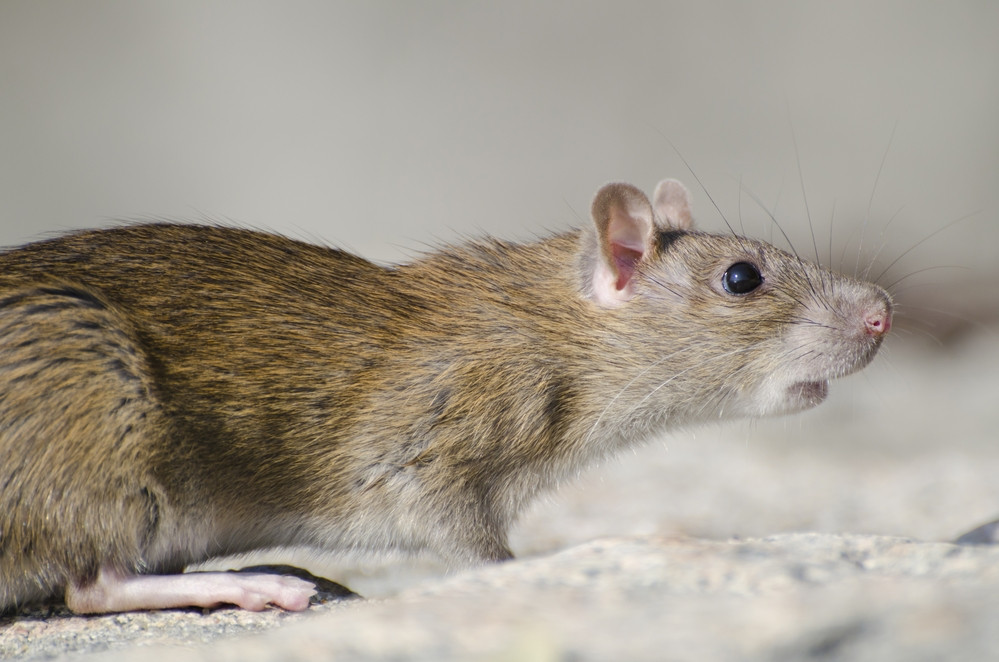
Most carrier animals usually do not show symptoms, but they shed the bacteria through their urine into the environment. This leads to contamination in soil, mud, stagnant water, ditches, rivers, canals, and waterfalls. These bacteria can survive in fresh water and moist soil for months, depending on environmental conditions. It gained the common name "Rat Fever Disease" (Chi Nhu) in Thai because the bacteria were initially detected in rat urine, though later studies revealed that other mammals can also serve as carriers.
Modes of Transmission
Leptospirosis transmission to humans can occur through the following main pathways:
- Direct Contact: Occurs through direct exposure to carrier animals, such as livestock workers, veterinarians, or handlers of animal vectors.
- Mucous Membranes and Skin Entry: Occurs through indirect contact with contaminated environments such as soil, mud, or floodwaters polluted with animal urine. The bacteria can enter the body via:
- Skin with wounds, abrasions, or scratches
- Soft mucous membranes around the eyes, mouth, and nose
Ingestion
Occurs from accidentally swallowing contaminated water while swimming or diving, as well as drinking water or eating food contaminated with the urine of carrier animals.
(Note: Leptospirosis is not transmitted directly from person to person.)
Symptoms of Leptospirosis
After contracting the bacteria, most infected individuals may remain asymptomatic. For those who develop symptoms, the disease progresses through 2 primary phases:
1. First Phase (Acute Phase)
Caused directly by the infection, symptoms usually appear about 1 week after exposure. Key warning signs include:
- Sudden high fever accompanied by chills and headaches
- Severe muscle pain, especially in the calves and lower back
- Red eyes (conjunctival suffusion) or subconjunctival hemorrhage
- Other symptoms such as nausea, vomiting, confusion, and loose stools/diarrhea
Symptoms in this phase last approximately 1 week, after which the patient may temporarily feel slightly better for 2–3 days before progressing to the second phase if left untreated.
2. Severe Phase (Complications Phase)
This phase results from organ damage and immune system reactions. Although less common than the first phase, it carries high severity:
- Liver Failure / Hepatitis: Causing jaundice (yellowing of skin and eyes)
- Kidney Failure / Decreased Renal Function: Leading to reduced urine output
- Abnormal Bleeding: Such as subconjunctival hemorrhages or pulmonary hemorrhage
- Other Complications: Meningitis, myocarditis, pneumonia, hypotension, and respiratory failure
Diagnosis and Treatment
Doctors evaluate patient symptoms (high fever, calf pain, red eyes) alongside exposure history, such as wading through floodwaters, mud, or contact with animal waste/carriers. Diagnosis is confirmed through laboratory blood and urine tests.
Treatment
- Antibiotic Therapy: To eradicate bacteria in the body
- Symptomatic and Supportive Care: Such as antipyretics for fever, pain relief, and IV fluids for hypotension or dehydration
- Management of Complications: Including renal and hepatic support care
If suspicious symptoms occur, seek immediate medical attention at a hospital. Early treatment effectively prevents disease progression and significantly reduces mortality risks.
Prevention Guidelines for Leptospirosis
- Avoid Exposure to Stagnant Water and Mud: Avoid soaking in water, wading through floods, or walking barefoot on mud, especially for individuals with open wounds or scratches.
- Wear Protective Gear: If wading or working in high-risk occupations (e.g., farmers, gardeners, drain cleaners), wear rubber boots and rubber gloves, ensuring water does not collect inside boots.
- Wash Immediately: After exposure to floodwater or mud, shower with soap immediately and dry off thoroughly.
- Avoid Contact with Vector Animals: Avoid handling carrier animals directly; if necessary, maintain hygiene and wear protective gear.
- Eliminate Breeding Sites and Vectors: Control rodent populations around living areas and properly dispose of garbage to prevent rodent infestation.
- Avoid Swimming in High-Risk Natural Water Sources: Refrain from swimming or playing in rivers, canals, or waterfalls that may be contaminated.
Q&A Answering Common Questions
Q: What are the initial symptoms and incubation period of Leptospirosis?
- Incubation Period: Typically, Leptospirosis has an incubation period of about 1-2 weeks (or as fast as 2-3 days) and can extend up to 3 weeks (21 days) post-exposure.
- Initial Symptoms: Patients present with sudden high fever, headache, and a distinct prominent feature: severe muscle pain, particularly in the calves, accompanied by red eyes.
Q: How to prevent Leptospirosis during floods and standing water? ?
- Avoid walking barefoot through floodwater; take extra precautions if you have wounds.
- Wear waterproof rubber boots and prevent water from seeping inside while walking.
- Upon returning home, shower and scrub thoroughly with soap immediately, then dry off completely.
Q: How do Dengue Fever and Leptospirosis symptoms differ? ?
Although both diseases share initial similarities like high fever, headache, and body aches, Leptospirosis has key distinguishing features from Dengue:
- Muscle Pain Locations: Leptospirosis causes severe muscle pain, particularly in the calves and back.
- Ocular Symptoms: Leptospirosis frequently presents with red eyes or subconjunctival hemorrhage.
- Risk Exposure History: Leptospirosis is linked to wading in floodwater, mud, or animal exposure, whereas Dengue is transmitted by Aedes mosquitoes.
References (References)