
Back Pain (Back Pain) is a common symptom that can occur in people of all ages and genders. The causes of back pain can vary depending on its location.
What Can Your Back Pain Tell You?
- Back pain from heavy lifting: Muscle inflammation, herniated disc, or spinal displacement.
- Pain along the midline of the spine: Issues with the intervertebral discs or spinal joints.
- Pain off to the side of the back: Abnormalities in the back muscles, or possibly related to internal organs such as kidney or pancreatic disorders.
- Pain accompanied by numbness or weakness: Neurological system disorders.
- Sharp, radiating pain like an electric shock: Potential nerve compression.
- Dull, fatigued back pain: May be caused by muscle fatigue or recovery from an illness.
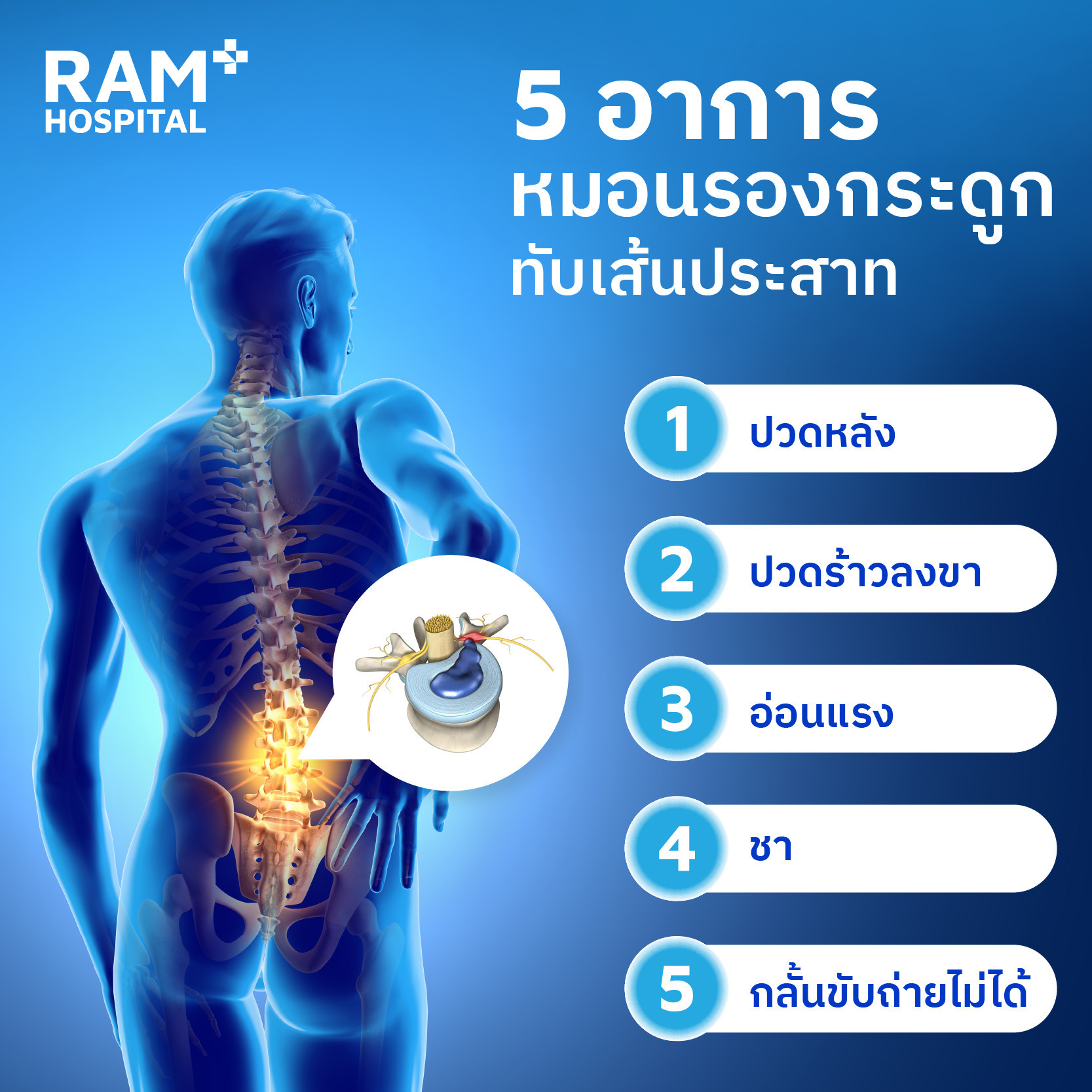
When is Back Pain Dangerous and Requires Immediate Medical Attention?
- Persistent back pain: And progressively worsening for more than 4 weeks
- Back pain caused by severe trauma: e.g., traffic accidents, falls from heights.
- Back pain with neurological symptoms: e.g., radiating pain down the leg, leg numbness, or weakness.
- Back pain with loss of bowel or bladder control: e.g., inability to control urination or bowel movements.
- Back pain accompanied by fever: Or unexplained weight loss.
Back Pain in Different Age Groups: Differing Symptoms and Presentations
Back Pain in Adolescents
If a teenager experiences back pain, check for scoliosis (curved spine) by observing these simple signs:
- Check if the waistband of their pants or skirt is uneven when worn.
- Have them bend forward and observe if the curvature of the back is symmetrical on both the left and right sides.
- If asymmetrical, it indicates scoliosis. A doctor should be consulted to evaluate if a back brace is necessary.
Back Pain in Working-Age Adults
Driving for hours daily combined with high stress and insufficient rest can cause back muscle tension that develops into Office Syndrome. Remember to change postures during the day to allow your muscles to relax.
Back Pain in the Elderly
As we age, the spine naturally degenerates. Back pain often occurs in the morning as stiffness, or tightness in the back and hips when walking long distances. Some may experience radiating tightness down one or both legs, which can happen in cases of pinched nerves supplying the legs. In such cases, you should consult a doctor for an X-ray to evaluate:
- The severity of spinal degeneration or whether there is spondylolisthesis (slipped vertebra) caused by spinal wear and tear.
- The risk of bone cancer, especially in patients who suffer from severe pain at night that disrupts sleep, or have osteoporotic, collapsed vertebrae without any history of trauma.
- If evaluated to be spinal degeneration, physical therapy will be highly beneficial, usually taking 2-3 weeks (or months in severe cases, along with a back support brace). For patients with slipped or collapsed vertebrae, avoid bending, squatting, and heavy lifting. If spinal degeneration is severe enough to cause spinal stenosis (narrowing of the spinal canal) and physical therapy fails, the doctor may consider surgical treatment.
Read more: Exercises to relieve back pain
To prevent further curvature during rapid growth periods, it is essential to strengthen the back muscles. Choose appropriate sports such as swimming or using a pull-up bar.
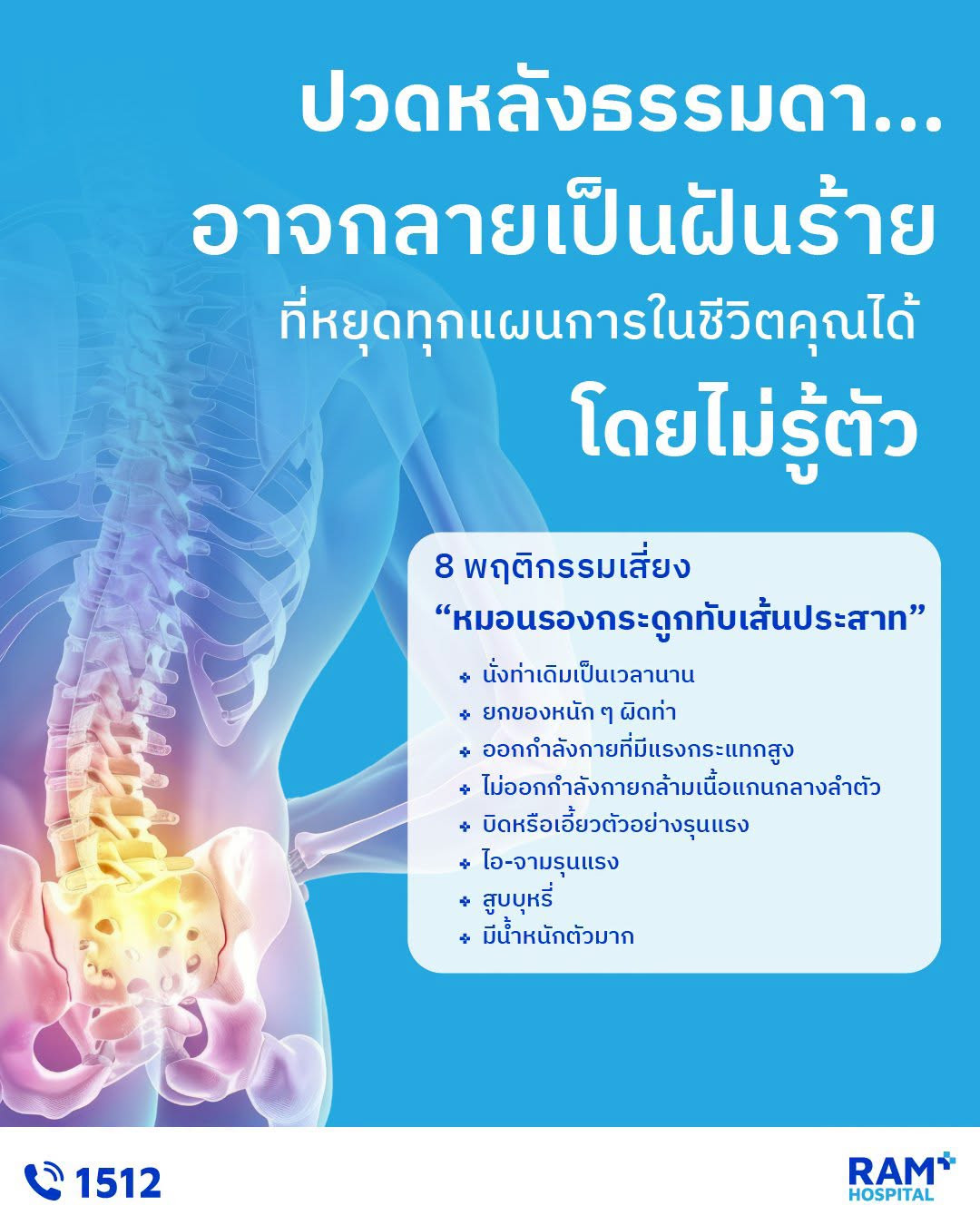
Behavior Modification to Reduce Back Pain
Relieving back pain starts with you. Simply adjusting your behaviors can help you manage this bothersome health issue. Here are some recommendations:
- Sitting: Sit all the way back in your chair and lean against the backrest to distribute your body weight to the chair. This reduces the load on your spine, preventing deformity or degeneration.
- Standing: Stand with your feet hip-width apart to distribute weight evenly on both legs and maintain proper posture.
- Sleeping: Avoid sleeping face down or in a semi-reclined, semi-seated position. Sleep flat on your back on a comfortable bed to keep your spine properly aligned. The mattress should be neither too hard nor too soft.
- Avoid lifting heavy objects while bending over: Bend your knees and keep your back straight when lifting.

Relieving back pain starts with you. Simply adjusting your behaviors...
Updated
29/08/2022