
นพ. THANAWAT TOSUKHOWONG, M.D.
MED - NEPHRO



Many people know the 'kidneys' as internal organs that help excrete waste from the body. However, few realize that kidneys also control water levels, maintain mineral balance, and produce various hormones. It is no surprise that when the kidneys malfunction, it affects multiple systems in the body. Therefore, nephrologists at Ramkhamhaeng Hospital advise starting kidney care early to ensure smooth functioning and prevent end-stage renal failure, which requires lifelong dialysis.
The kidneys are bean-shaped organs located on each side of the middle back. Both kidneys act as specialized filters essential for life. In addition to excreting waste as urine, kidneys perform several other vital functions:

Kidneys remove waste produced by protein metabolism, such as urea, creatinine, uric acid, and other nitrogenous compounds. Additionally, they filter excess water, minerals, chemicals, and over 200 units of blood per day.
Kidneys help control blood pressure by releasing the enzyme renin into the bloodstream to maintain stable pressure levels.
Kidneys maintain the balance of water and salts, as well as the acid-base balance in the blood. If the kidneys cannot function efficiently, it can lead to acidosis, causing other organs to malfunction.
The kidneys produce the hormone Erythropoietin, which stimulates the production of red blood cells to ensure adequate oxygen supply to the body and reduce the risk of anemia.
Kidneys activate Vitamin D, which helps the body efficiently absorb calcium and phosphorus, leading to strong and healthy bones.

The difference lies in the onset. Acute kidney injury occurs within hours, days, or weeks but can be reversible if treated in time. Patients should consult a nephrologist immediately upon experiencing symptoms for proper and timely treatment.
In contrast, chronic kidney disease symptoms worsen over time as kidney function gradually and continuously declines. Nephrologists note that patients often do not notice symptoms until the condition becomes severe or function drops below 50%. Chronic kidney disease is irreversible and may lead to total kidney failure.
Treatment may involve renal replacement therapy to manage symptoms through hemodialysis or peritoneal dialysis, as well as kidney transplantation, which can offer a better quality of life compared to other treatments.
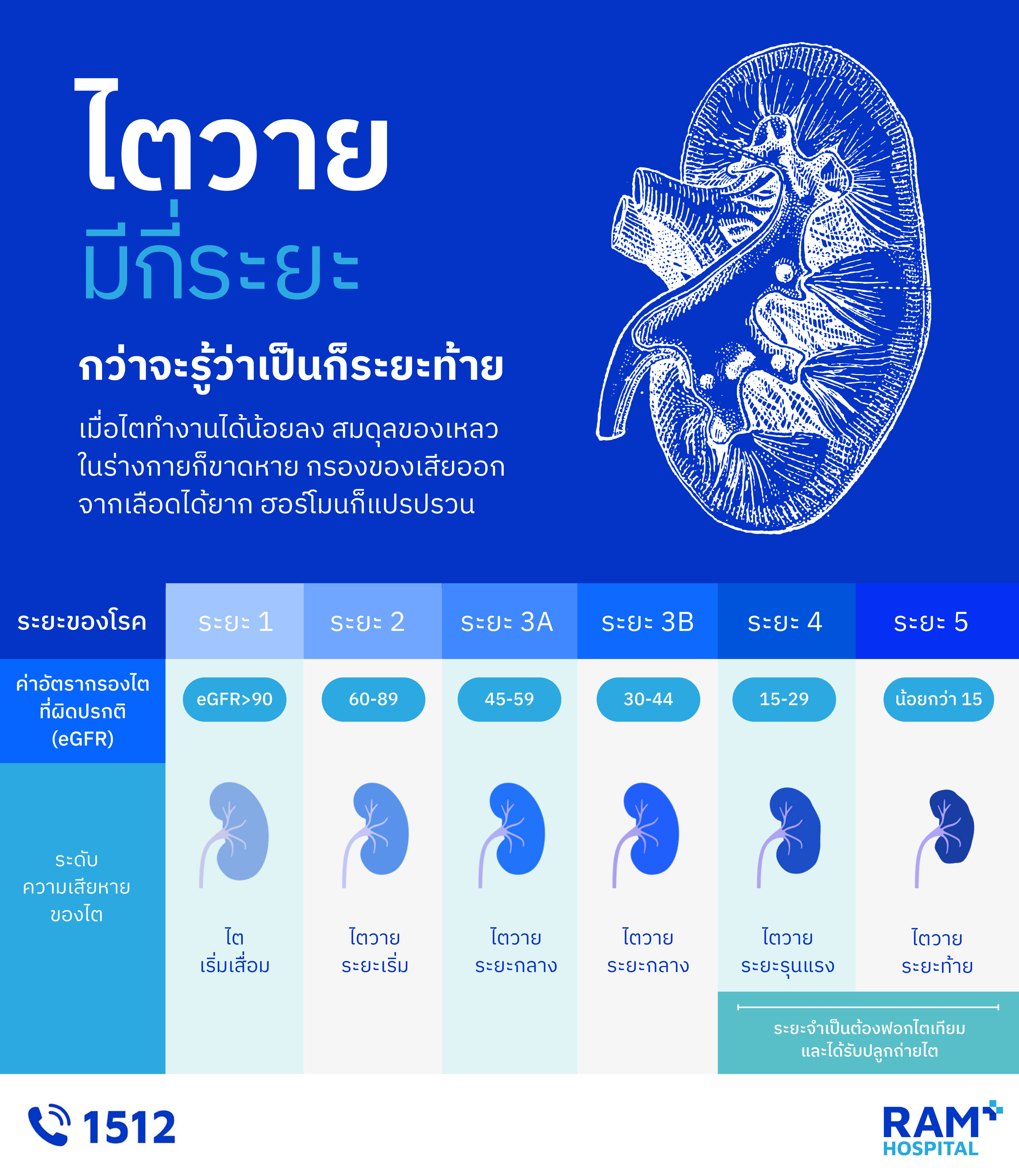
Nephrologists categorize CKD into 5 stages based on the Glomerular Filtration Rate (GFR), which measures how much blood passes through the kidney filters each minute (mL/min/1.73 m²).

Maintaining efficient kidney function helps reduce and delay age-related decline. Nephrologists recommend the following guidelines:
MED - NEPHRO

Nephrology and Urology

Nephrologist


