
WORALUG PANUMATRASSAMEE, M.D.
Pediatric Pediatric Dermatology


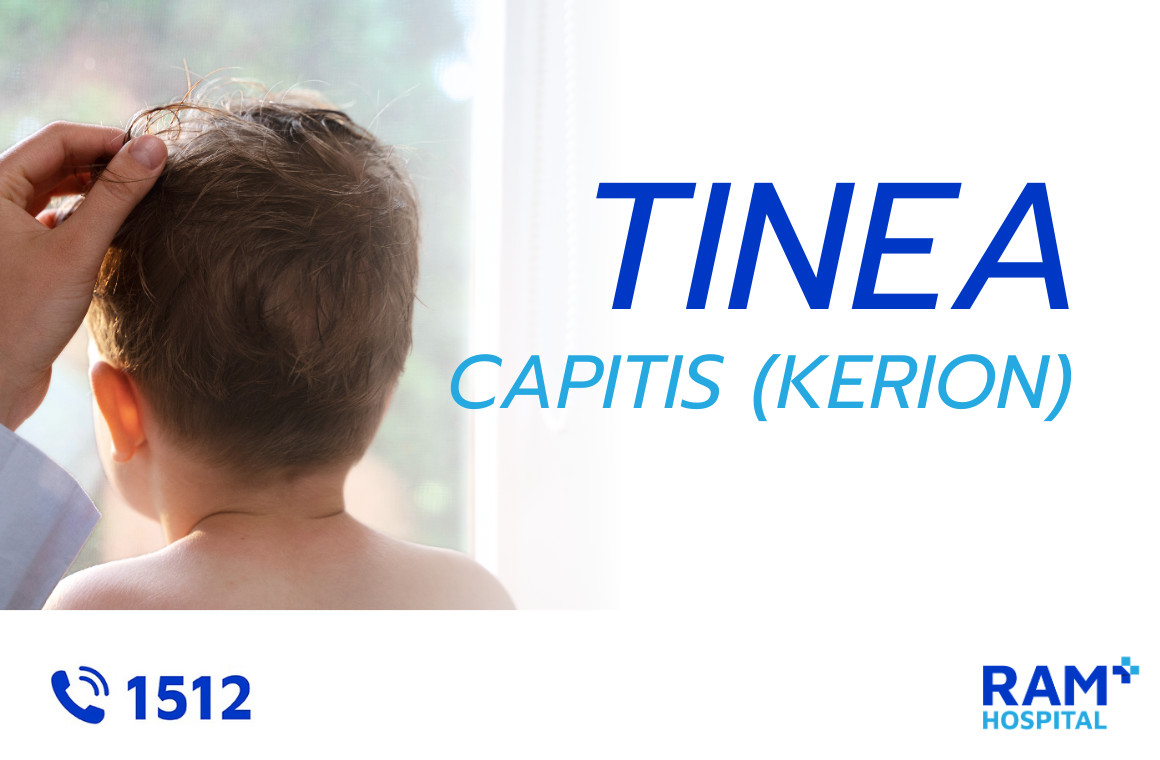
When discussing pediatric scalp issues, parents often confuse Scalp Ringworm (Tinea Capitis) and Kerion. Medically, they are related stages of the same fungal infection, commonly affecting infants and primary school-aged children. If left untreated or mismanaged, the condition can lead to permanent hair loss, potentially impacting a child’s long-term self-confidence.
Scalp Ringworm or "Tinea Capitis" is a general term for a fungal infection caused by dermatophytes that affect the outermost layer of the skin and hair shafts. The fungus consumes the skin's outer layer and the hair shaft, making the hair brittle and prone to breaking. If the body reacts too severely to the fungus, it can lead to a condition known as "Kerion."
Kerion is an advanced stage of infection characterized by severe skin inflammation, resulting in raised swellings or pus-filled lesions covered by thick yellow crusts. If neglected, this intense inflammation can destroy hair follicles, leading to "fibrosis or scarring," which prevents hair from ever regrowing.
Doctors often see cases where parents bring their children in due to intense itching and scratching that leads to wounds. This disease can manifest in several ways:
"It is highly contagious and can spread even before symptoms appear." The fungus can spread through three main routes:

There are common beliefs about using herbs like Thong Phan Chang (Snake Jasmine) or Galangal as poultices. While these herbs may have mild antifungal properties, they "do not fully eliminate the infection."
This is because the fungus on a child's scalp isn't just on the surface but deep within the hair follicles. Applying fresh herbs may not treat the root cause and can irritate a child's delicate skin, potentially making the inflammation worse.
Most importantly, do not purchase topical medications yourself if you are unsure of the actual condition. General anti-itch creams often contain "Steroids," which suppress inflammation to reduce pain and itching but actually help the fungus grow and spread deeper. Medically, this condition is known as "Tinea Incognito."
Not using topical medication before knowing the actual disease helps prevent misdiagnosis.
If your child's scalp fungal infection recurs frequently, doctors will take a more systematic approach to treatment:
Treating Kerion requires "Patience" and "Discipline" in taking medication. If parents notice even minor abnormalities, seeking an early diagnosis from a pediatric dermatologist will help prevent progression to scarring and permanent hair loss.
American Academy of Dermatology. (2026). Ringworm: Diagnosis and treatment. https://www.aad.org/public/diseases/a-z/ringworm-treatment
Mayo Clinic Staff. (2022, January 22). Ringworm (scalp). Mayo Clinic. https://www.mayoclinic.org/diseases-conditions/ringworm-scalp/symptoms-causes/syc-20354918
Oakley, A. (2017, November). Tinea incognito. DermNet. https://dermnetnz.org/topics/tinea-incognito
Persson, C., Gerena-Maldonado, C., & Woolhiser, E. (2025). Tinea incognito and topical steroid misuse in skin of color: A hidden epidemic. JOJ Dermatology & Cosmetics, 6(5), 1-15. https://doi.org/10.19080/JOJDC.2025.06.555700
Pediatric Pediatric Dermatology

Pediatrics Developmental and Behavioral Pediatrics

Dermatology

Pediatric Pediatric Infectious Disease


