
Dr. NAYANA KULSOMBOON
Endodontist


Since young children’s main food is milk, breast milk is the most beneficial for feeding infants. When using a bottle is necessary, children should be given milk regularly and at specific times. After feeding, they should be given a small sip of water each time to wash away any milk residue.

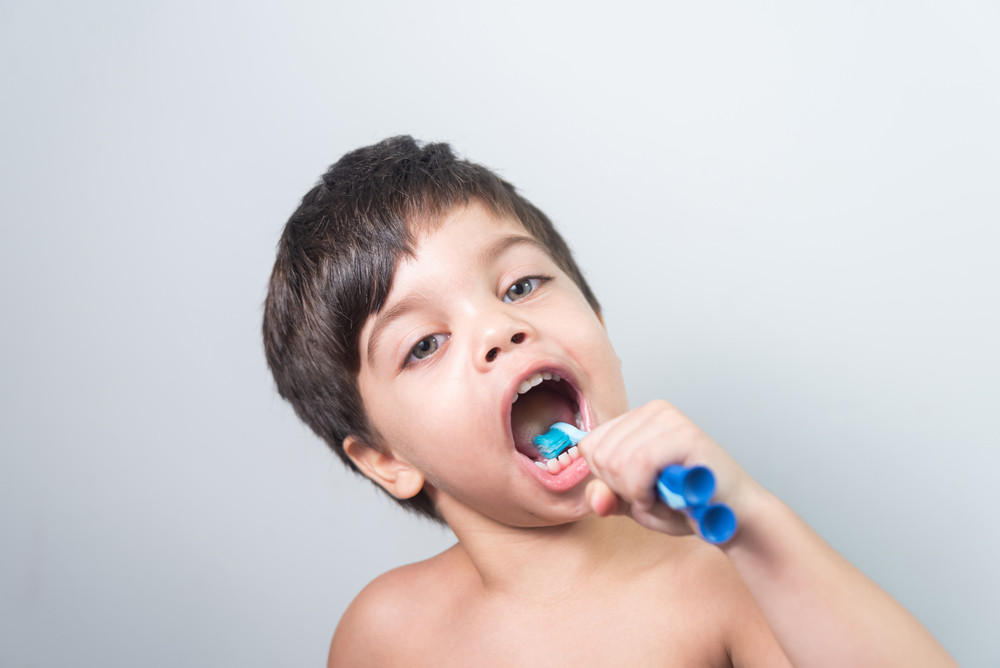
In addition to keeping children's oral health clean, parents should wipe and brush their children’s teeth with toothpaste containing 1,000 ppm fluoride in appropriate amounts for their age.
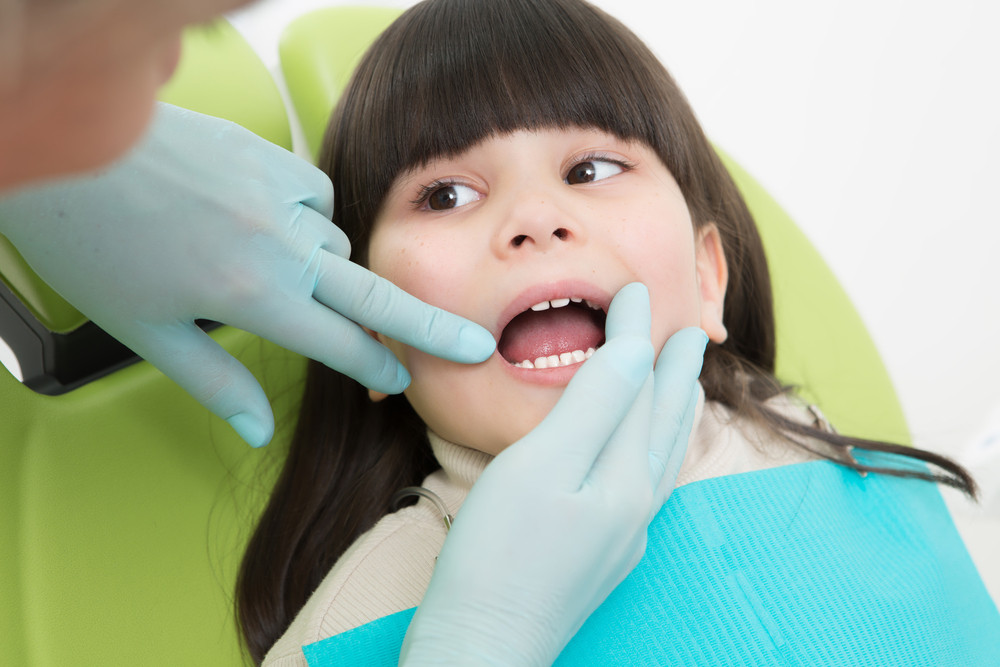
When their baby teeth start to come in, parents should take them to the dentist for regular dental check-ups and fluoride treatments to prevent cavities, at least twice a year.
Studies show that fluoride treatments are more effective at preventing cavities on the smooth surfaces of teeth than on chewing surfaces, which tend to have pits and grooves that are more prone to decay due to food residue and plaque. Furthermore, toothbrush bristles are often too large to clean these areas effectively, leading to decay.
In order to prevent decay on the chewing surfaces, Sealants involve using a plastic-like substance to fill in the grooves of newly erupted teeth, making the chewing surface smoother and easier to clean, thereby preventing cavities.
Parents should focus on maintaining their children's oral health to ensure they are cavity-free, as this also impacts their physical and mental well-being.
A: You can use a small, soft-bristled toothbrush specifically designed for infants. Brush gently with a tiny amount of fluoride toothpaste. After brushing, wipe off any excess fluoride and toothpaste with a cloth.
A: Parents should choose a toothbrush about the length of 2-3 teeth. Brush gently across the teeth with fluoride toothpaste, applying a suitable amount for the brush's width.
A: Tooth development varies by age, and it's common for some children to have slower tooth eruption. It's best not to worry. If your child has only front teeth, they may struggle to chew, so provide soft, finely mashed foods until their molars come in.
A: This is not abnormal. Tooth eruption varies; some children erupt their teeth faster or more slowly. As long as your child is developing well in other areas, there’s likely no issue.
A: If your child has no teeth yet, it's fine to give them soft, finely mashed foods. Wait until their teeth come in to introduce coarser textures.
A: There can be consequences depending on which tooth is extracted. If extraction is necessary, it should be planned carefully to avoid problems with adjacent teeth and to ensure proper growth of permanent teeth.
A: Children should eat set meals rather than snacking all day. Aim for about 5 meals a day, including main meals and snacks. Snacking increases the risk of cavities, so teaching proper eating habits early on is essential.
More Information: Dental Department, Ramkhamhaeng Hospital
Endodontist

Endodontist

Prosthodontist


