
NANICHA SIRIWONG, M.D.
Gastroenterology, Neurogastroenterology & Motility


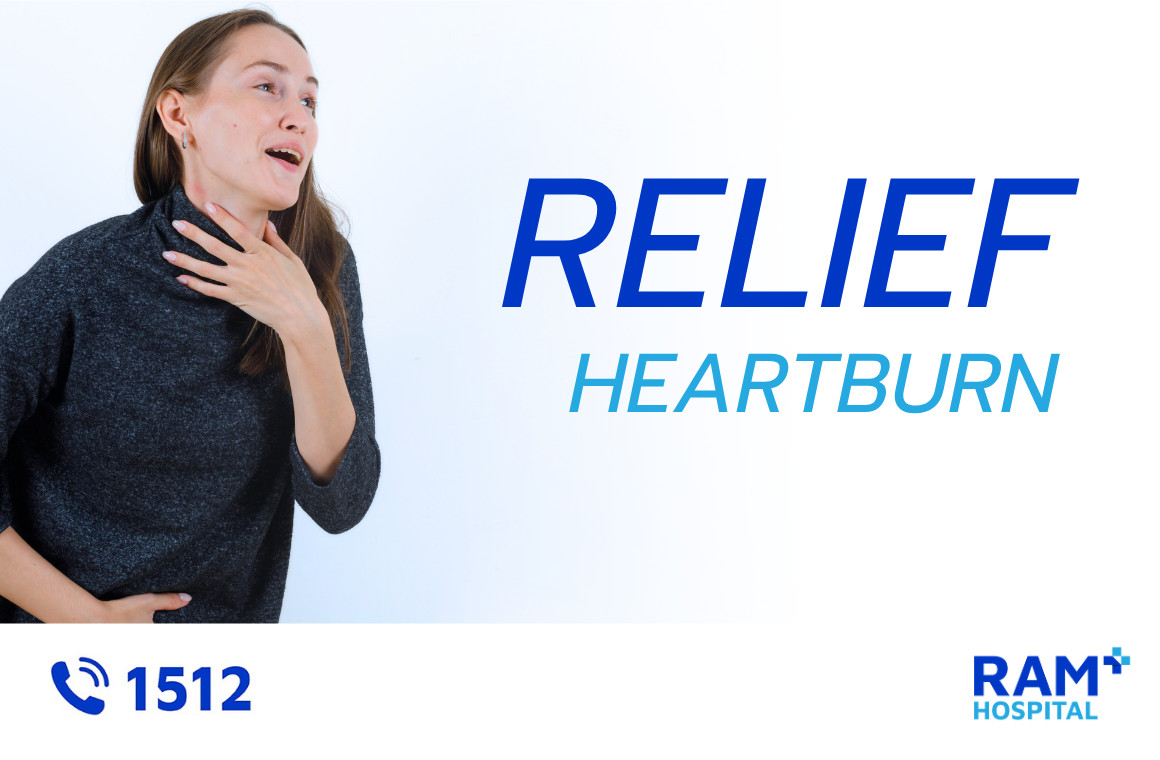
Many people may overlook heartburn, thinking it is just a common issue. However, a burning sensation in the epigastrium that may radiate up to the throat, accompanied by chest tightness and discomfort, could be a warning sign of Gastroesophageal Reflux Disease (GERD). This occurs when gastric juices from the stomach flow back up into the esophagus, causing irritation.
In addition to the burning sensation in the chest, most patients often experience other concurrent symptoms:
If left untreated, it may lead to severe complications such as chronic esophagitis, esophageal strictures, or increase the risk of developing "esophageal cancer" in the future.
To identify the root cause and establish a targeted treatment plan, measuring the amount of acid in the esophagus is crucial. Currently, there is a advanced technology known as 24-Hour Esophageal pH Monitoring (24-Hour Esophageal pH-Impedance Testing) which is considered the gold standard for diagnosis. The physician will use an ultra-thin catheter, only 2 mm in size, inserted through the nose to record pH values and reflux patterns throughout the day, providing the clearest correlation with GERD symptoms.
Effective treatment combines medication along with behavioral adjustments as follows:
Gastroenterology, Neurogastroenterology & Motility

Gastroenterology

Gastroenterology and Hepotology

INTERNAL MEDICINE, GASTROENTEROLOGIST


