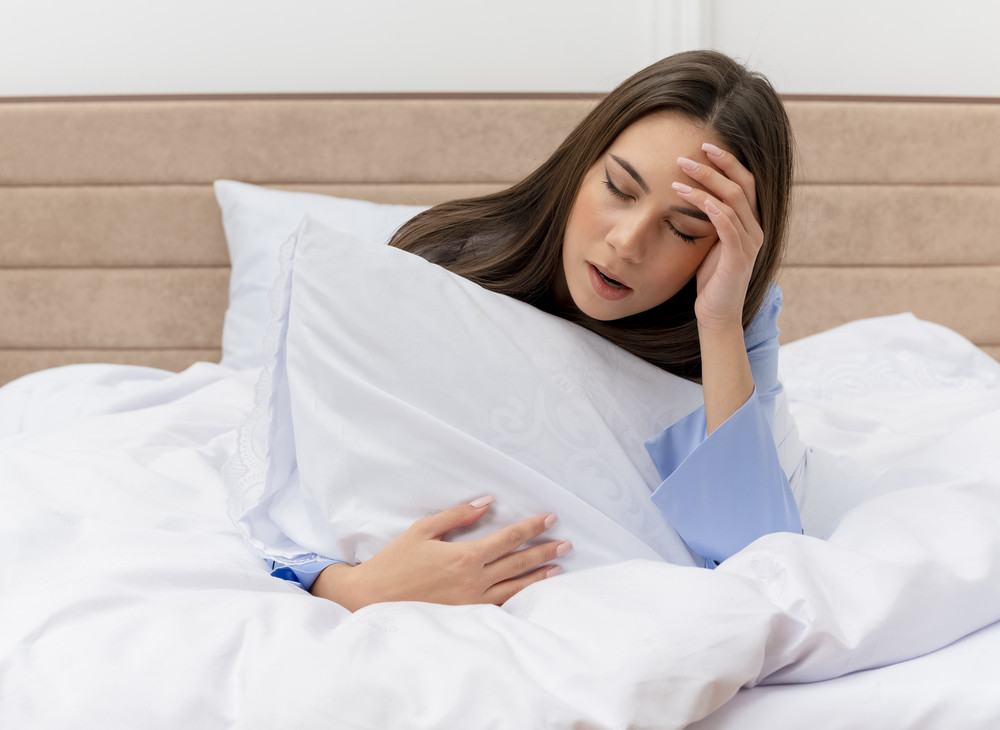
In the quiet of the night, inside a comfortably cool room, nasal congestion and frequent sneezing might greet you, making it difficult to breathe. Some may experience this while lying on their side, often occurring on one side and alternating as positions change. These symptoms not only disrupt peaceful rest but are also warning signs that your respiratory system is asking for help.
Understanding Nasal Congestion
Nasal congestion is the discomfort that occurs when air cannot easily pass through the nasal passages. It can be caused by:
- Dilation of blood vessels in the nasal cavity, causing nasal mucosal swelling
- Excessive mucus production blocking airway passages
- Hypersensitive nasal nerves, creating a sensation of breathlessness even when airflow is open
What Causes It?
There are several causes for nasal congestion and frequent sneezing:
- Allergic Rhinitis: An immune system response to allergens such as dust mites, pollen, and pet dander
- Non-Allergic Rhinitis: Exposure to airborne irritants such as cigarette smoke, perfumes, chemicals, or changes in weather and humidity
- Infections: Viral infections causing colds or the flu are common primary causes
- Other Factors: Hormonal changes during pregnancy, eating spicy foods, certain medications, or anatomical abnormalities like a deviated nasal septum or nasal polyps

How Does It Affect Our Body?
The nose is the primary gateway to the respiratory system. When this gateway is obstructed, it creates a chain reaction of health effects:
- Snoring and Sleep Apnea: Nasal blockage forces mouth breathing, which can lead to snoring and increase the risk of Sleep Apnea, preventing the body from receiving sufficient oxygen
- Cardiovascular Diseases: Chronic oxygen deprivation from obstructed breathing can lead to high blood pressure and increase the risk of heart conditions, such as heart failure and arrhythmias
- Reduced Sense of Smell: Congestion blocks odor molecules from reaching olfactory nerves, leading to a diminished sense of smell (Hyposmia or Anosmia)
- Sinusitis: Chronic nasal congestion can obstruct sinus drainage, leading to microbial buildup and subsequent inflammation
What If Accompanied by a Runny Nose?
Nasal discharge serves as an initial health indicator. Clear mucus with an itchy nose, itchy eyes, and consecutive sneezing without fever usually points to allergic rhinitis. However, if the discharge turns thick, yellow, or green, has a foul odor, or drips down the throat causing a chronic cough, it may signal a bacterial infection or sinusitis that requires medical evaluation.
Diagnosis and Treatment
ENT specialists diagnose conditions through detailed medical history taking and additional evaluations, such as nasal Endoscopy, Skin Prick Tests, or blood tests to identify specific allergens. Treatments range from allergen avoidance, nasal steroid sprays, and antihistamines to Immunotherapy for severe cases.
Special Considerations
- Antibiotics may be considered for bacterial infections. Surgery may be required if medication fails to improve conditions such as nasal polyps, chronic sinusitis, or a deviated nasal septum.
How to Care for Yourself and Loved Ones
- Avoid Triggers: Identify and avoid dust, smoke, or pungent odors that flare up symptoms
- Manage Bedroom Environment: Avoid kapok mattresses, refrain from carpet flooring, and wash bedsheets weekly in hot water to eliminate dust mites
- Use Decongestant Sprays Cautiously: Avoid over-the-counter fast-acting decongestant sprays for more than 3-5 consecutive days, as they can cause rhinitis medicamentosa, worsening chronic congestion
- If Symptoms Persist: Consult an ENT specialist for a comprehensive checkup to identify the root cause
For You and Your Loved Ones: Caring for Every Breath Together
Because every breath carries the vital essence of living, Ramkhamhaeng Hospital wishes to provide dedicated care so you and your loved ones can experience calm, effortless breathing. Our specialists are here to ensure your nights are restful, your sleep is deep, and you wake up feeling refreshed and worry-free.