A sore throat with phlegm but no fever is often hard to distinguish. Many people experience it coming and going, which ultimately affects their quality of life. How can we monitor our own symptoms when we wake up with a sore throat but no fever? Many patients often wonder whether their sore throat is caused by a cold (just in its early stages) or by another condition.
How Does a Sore Throat Occur?
A sore throat is an inflammation of the tissues in the throat, such as the pharyngeal wall, tonsils, and soft palate, which can be caused by:
- Viral infection: Such as the common cold virus or influenza.
- Bacterial infection: Such as Streptococcus, which often presents with severe and acute sore throat.
- Non-infectious inflammation: Such as allergies, irritation from pollution, or acid reflux disease.
Accompanying Symptoms to Observe: Comparison Table
If you have a sore throat, try checking for other accompanying symptoms to make a preliminary distinction as follows:
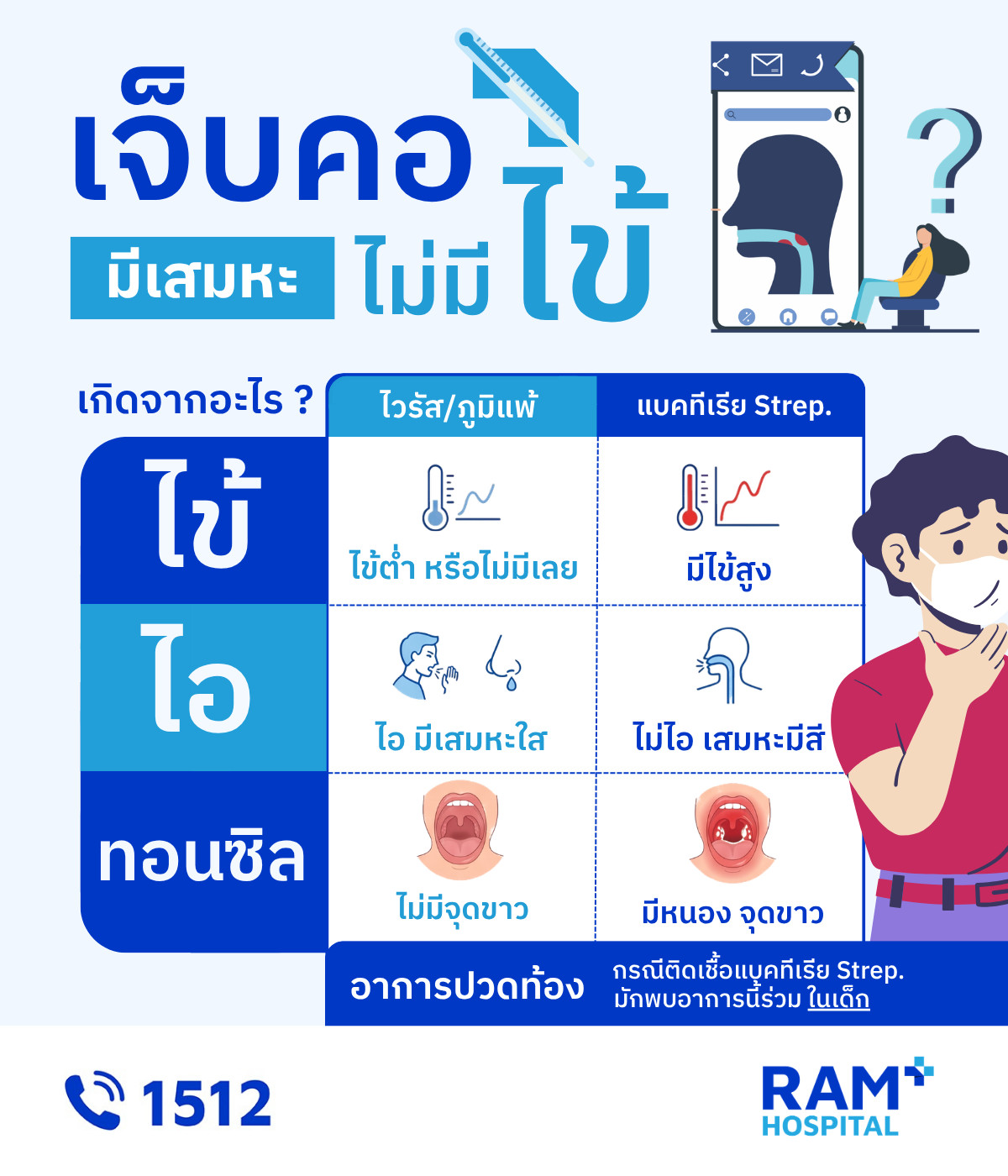
'Sore throat, phlegm, no fever' - What diseases can this sign indicate?
If you experience a sore throat with phlegm but no fever, it can stem from several causes:
- Allergic/Non-allergic Rhinitis: The nasal mucosa is hypersensitive to triggers, causing chronic nasal swelling and congestion. This forces mouth-breathing, which dries out the throat lining and leads to a sore throat. Additionally, post-nasal drip causes irritation and phlegm in the throat.
- Chronic Sinusitis: Secretions from the inflamed sinuses drain and accumulate in the throat, leading to chronic throat inflammation and constant phlegm.
- Gastroesophageal Reflux Disease (GERD/LPR): Stomach acid flows back up to the larynx or pharynx (Laryngopharyngeal Reflux), causing irritation that leads to:
- Feeling like phlegm is stuck in the throat
- Difficulty swallowing or feeling of obstruction
- Chronic, intermittent coughing and sore throat without a fever
- Throat Infection: Antimicrobial resistance, which can result from not completing a prescribed course of medication, or having an infectious source such as tooth decay.
- Pharyngitis/Laryngitis (Vocal Cord Inflammation): This may be linked to lifestyle factors such as smoking, eating spicy foods, or frequent shouting.
- Throat/Vocal Cord Tumor: Tumors can press against nerves, causing a chronic sore throat.
- Glossopharyngeal Neuralgia (Throat Nerve Disease): Can cause chronic sore throat, with pain radiating to the ear, neck, and head, particularly when swallowing, yawning, chewing, or coughing.
- Foreign Object Stuck in the Throat: Such as fish bones or small bone fragments.
Diagnosis Guidelines by Specialists
The physician will take a medical history and perform a physical examination, specifically focusing on the nose, sinuses, and throat. In some cases, a laryngoscopy/endoscopy (Endoscopy) may be necessary to closely inspect the tissue and vocal cord function to rule out more serious conditions, such as tumors in the throat or larynx.

Treatment and Self-Care for Symptom Relief
- Targeted Treatment: Consult an ENT (Ear, Nose, and Throat) specialist, or adjust dietary habits if the symptoms are caused by acid reflux.
- Increase Moisture: Drink plenty of clean water, and adjust air conditioning settings to prevent the room from becoming too dry.
- Gargle: Gargling with warm salt water helps reduce inflammation and clear out phlegm.
- Avoid Triggers: Refrain from smoking, avoid highly seasoned, sour, or very spicy foods, and rest your voice temporarily.
- Maintain Hygiene: Brush your teeth or rinse your mouth after every meal to prevent food debris from remaining, which could worsen throat irritation.
Ramkhamhaeng Hospital is ready to stand by you at all times. We always believe that a good quality of life starts with paying attention to the little things, which can lead to greater changes—whether for better or worse. We encourage you to consult a doctor when experiencing a sore throat or difficulty swallowing to reduce the chances of serious, hidden conditions masked by seemingly common symptoms.