VANTAWAT UMPRAI, M.D.
Orthopedics (Sports Medicine)


Knee joint injuries are among the most common orthopedic problems among athletes and fitness enthusiasts, especially the condition "Anterior Cruciate Ligament Tear". The anterior cruciate ligament is the primary structure responsible for stabilizing the entire knee joint. If it is torn and left untreated without proper diagnosis and care, it not only impacts daily life but can also lead to severe complications such as recurrent knee instability and premature knee degeneration.
The doctor wants readers to understand the mechanism of injury, warning signs at each stage, diagnostic steps, treatment options, and post-operative care for a safe recovery.
The Anterior Cruciate Ligament (Anterior Cruciate Ligament) is a stabilizing ligament located deep within the knee joint. Its core function is to connect and bind the thigh bone (Femur) and the shin bone (Tibia). It prevents the shin bone from sliding too far forward and helps control rotational stability of the knee during movement activities.
When the anterior cruciate ligament is torn or injured, the knee joint loses its tightness, resulting in distinct "knee looseness". This puts patients at high risk for knee sprains, loss of balance, and easy falls. This lack of joint stability can subsequently lead to injuries in surrounding structures, such as the meniscus or other ligaments.
The majority of anterior cruciate ligament tears are caused by accidents during sports or activities that generate severe pulling forces around the knee joint. High-risk sports and mechanisms include:
Patients experiencing an anterior cruciate ligament tear will exhibit distinctly different symptoms depending on the timeframe, divided into 2 main phases. Self-observation helps secure timely treatment.
|
Phase of Symptoms |
Observed Symptoms |
Impact on Function and Daily Life |
|
Acute Phase |
Occurs immediately after an accident or during sports. Some patients hear a "popping sound" inside the knee, which is the sound of the ligament tearing, followed by swelling, stiffness, and severe pain within the knee joint. |
Unable to continue sports immediately and unable to bear weight on the injured leg. Moving or bending the knee is limited due to pain and stiffness. |
|
Chronic Phase |
Usually a continuation from the acute phase once pain and swelling subside. Patients may be able to walk again, but knee function is not the same as before. |
Knee looseness occurs, the knee easily gives way while walking, running, or changing directions, feeling unstable, with a risk of falls or re-injury. |
When patients visit a doctor at the hospital, an orthopedic specialist will conduct a comprehensive diagnostic process to thoroughly and accurately assess knee damage as follows:
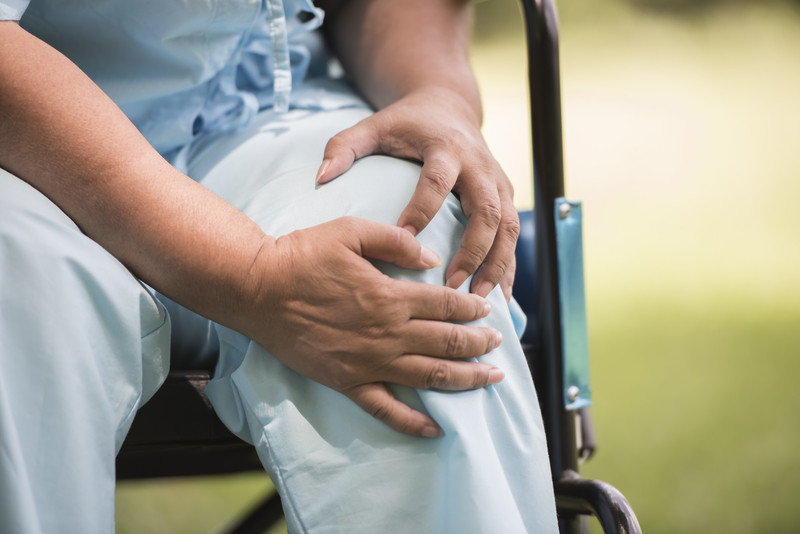
The choice of treatment approach depends on the severity of the tear, overall physical condition, and the patient's activity level, divided into 2 main methods:
The doctor will consider this in cases where the anterior cruciate ligament has a partial tear (Partial Tear), symptoms are mild, the knee maintains reasonable stability, or the patient is in the early stage of injury. Treatment approaches include:
The doctor will consider this in cases of a complete tear "Arthroscopic Surgery" (Arthroscopic Surgery) which features:
Following successful surgery, the body rehabilitation process is the core element that helps the repaired ligament heal completely and return to near-normal function.
A: In the acute phase, patients often hear a "pop" sound inside the knee during an accident or sports, followed immediately by swelling, tightness, and knee pain preventing weight-bearing. In the chronic phase, swelling and pain decrease, but patients feel that the knee is loose, easily gives way, and prone to falls during use.
A: Not everyone needs surgery. If the tear is partial and the patient has no knee looseness, the doctor may recommend conservative treatment such as pain relievers, anti-inflammatory medications, and bandaging or bracing. However, if it is completely or totally torn, surgical arthroscopic treatment is usually required to restore knee stability.
A: Sports with high knee-joint pulling forces, sports involving jumping and landing such as basketball and volleyball, as well as sports involving running, stopping, and sudden directional changes like football, futsal, and badminton.
A: Doctors recommend caution and avoiding weight-bearing on the operated leg for about 4–6 weeks using assistive walking devices, requiring close monitoring of ligament healing before starting to bear weight and exercise sequentially.
A: An MRI (magnetic resonance imaging) scan allows doctors to accurately evaluate soft tissue details, identifying whether the anterior cruciate ligament is partially or completely torn, and checking for any accompanying meniscus or surrounding knee ligament damage.
Orthopedics (Sports Medicine)

Orthopedic trauma

Orthopedic

Orthopedics