พญ. RATCHADAPORN ROEKYINDEE, M.D.
OB-GYN, Reproductive Medicine, Minimally Invasive Surgery


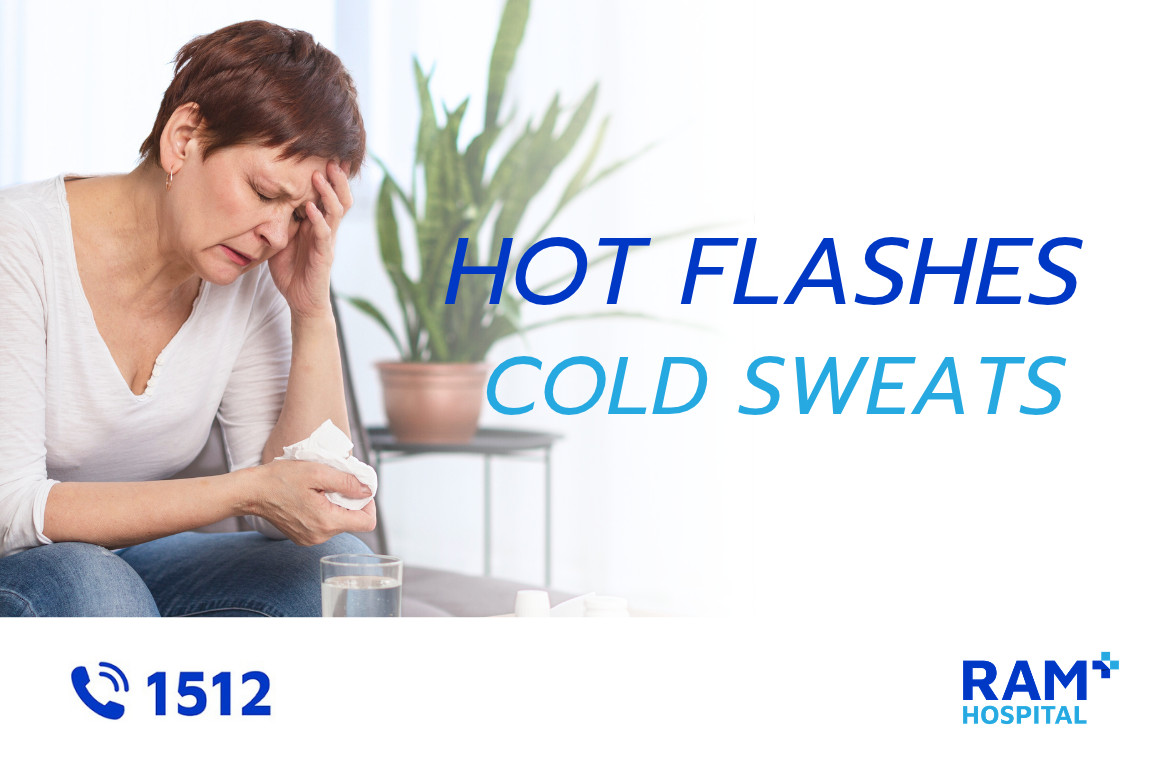
Menopause, commonly referred to as the “golden age,” is a period of major physical and emotional changes. It occurs as the ovaries continuously decrease their production of estrogen and progesterone. The most common warning signs that significantly disrupt daily life include hot flashes, sudden hot and cold spells throughout the body, and increased sweating, especially at night. Understanding these changes helps us prepare to cope with them confidently and maintain a good quality of life as before.
Menopausal symptoms can occur both before and after the permanent cessation of menstruation. The duration and severity vary depending on an individual's physical condition. The main warning signs can be divided into 2 aspects as follows:
Hormonal fluctuations directly affect neurotransmitters in the brain, causing irritability, anxiety, lack of confidence, and forgetfulness. Did you know that depression is the most common psychological symptom during menopause and has the greatest impact on social life, work, and relationships with people around you? If left unmanaged, it can lead to chronic long-term impacts on mental health.
Focus on consuming foods rich in phytoestrogens, such as soybeans, tofu, soy milk, and black sesame seeds, which have structures similar to female hormones. These help relieve hot flashes and reduce hot and cold spells, while supplementing calcium and vitamin D from small edible fish and green leafy vegetables to prevent osteopenia and osteoporosis.
Focus on light aerobic exercise, such as brisk walking, swimming, or yoga, for at least 150 minutes per week. This helps stimulate metabolism, reduce stress, promote restful sleep, and lessen night sweats.
Keep the bedroom well-ventilated, adjust the temperature to be cool and comfortable, and wear breathable clothing made of natural cotton to reduce discomfort during hot flashes or night sweats. Avoid drinking tea, coffee, and using computer or phone screens before bedtime.
Practice meditation, deep breathing exercises, or engaging in relaxing activities to reduce anxiety. Talking with family members or consulting peers of similar age will help ease feelings of isolation and help navigate mood swings or depression strongly.
If symptoms severely impact your daily life, you should visit a doctor to evaluate Hormone Replacement Therapy (Hormone Replacement Therapy: HRT) or personalized vitamins and supplements under close medical supervision.

A: Generally, these symptoms caused by abnormal vascular dilation typically last about 1–5 years after entering menopause. However, in some individuals, they may persist for up to 10 years, depending on physical health and self-care.
A: Keep the bedroom well-ventilated, avoid spicy foods, alcohol, and caffeine before sleep, and wear lightweight cotton sleepwear. If heavy sweating continues to severely disrupt sleep, consult a doctor to adjust hormone levels.
A: It is highly likely, but other symptoms should also be considered. If a woman is over 45 years old and experiences irregular periods along with hot flashes or mood swings, it is considered an early sign of perimenopause (Perimenopause)
A: Yes, it is true. The decrease in estrogen levels affects serotonin levels in the brain, increasing the risk of depression, anxiety, and sudden low moods more than usual, which requires understanding from family members and medical care.
Menopause is not a disease, but a natural transition of the body. Recognizing early warning signs such as hot flashes, hot and cold spells, or increased sweating helps us prepare and cope properly. Adjusting lifestyle, nutrition, and emotional care will help every woman navigate this transition period in a healthy, bright way, with a high quality of life every day.
OB-GYN, Reproductive Medicine, Minimally Invasive Surgery

OB-GYN

OB-GYN