
NATNICHA PATTANASIL, M.D.
Pediatrics, Pediatric Pulmonology


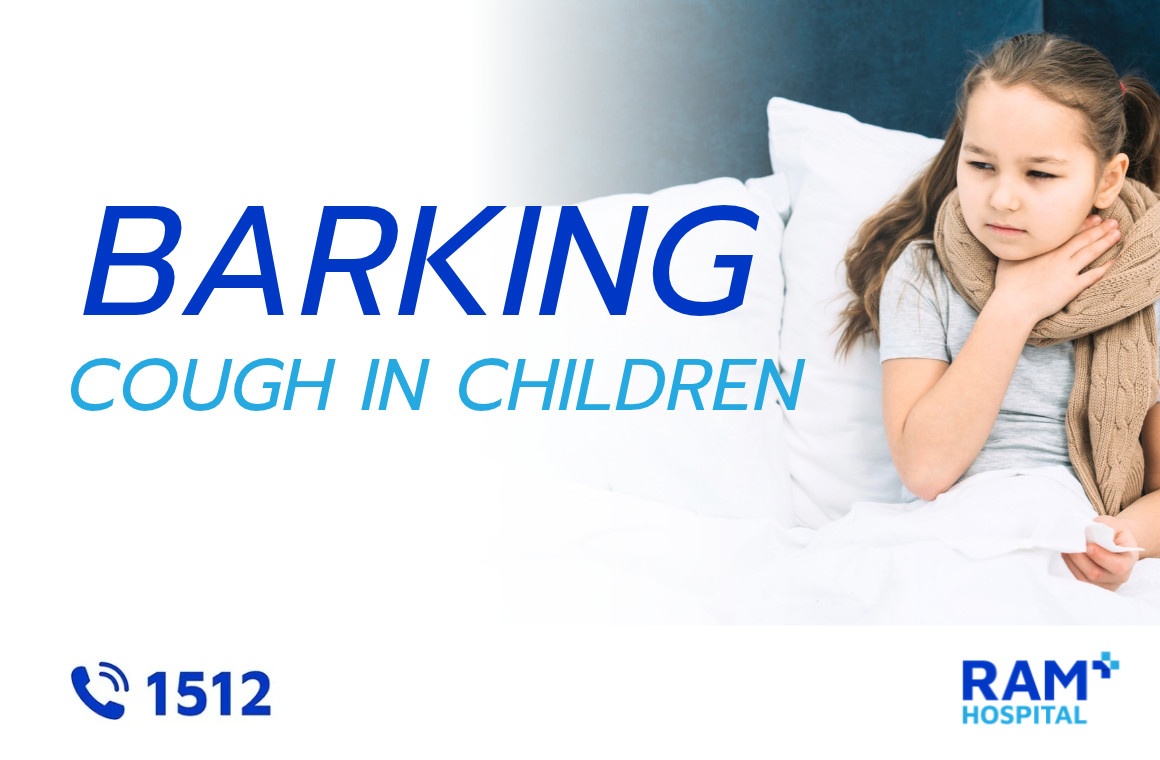
If you notice your child has a barking cough that sounds like a dog barking or a seal, these symptoms may not just be a common cold, but an important warning sign of Croup, a common respiratory illness in young children. Understanding the causes, danger signs, and proper care methods will help parents navigate this anxious time safely.
Croup (Croup) is a condition caused by an upper respiratory tract infection, resulting in inflammation and swelling around the larynx (voice box) and upper trachea (windpipe). When the airway narrows, it causes an abnormal cough and noisy breathing. The primary cause is usually the Parainfluenza virus, though it can also be triggered by other viruses such as Influenza, RSV, or COVID-19.
During the first 1–2 days, children with croup typically start with symptoms similar to a common cold, such as a low-grade fever, cough, and runny nose. Afterward, swelling around the larynx becomes more pronounced, leading to distinctive symptoms including:
If airway swelling worsens, it may progress to coughing until unable to breathe or rapid, labored breathing, which requires close medical monitoring.

Generally, most cases of croup in young children are mild and gradually resolve on their own within 3–7 days, provided your child remains alert, plays, feeds or eats normally, and sleeps well.
Close, informed observation is key to caring for your little one. If parents are unsure about the symptoms or feel worried, bringing your child for an evaluation by a pediatric specialist ensures timely treatment and nebulizer therapy.
Pediatrics, Pediatric Pulmonology

Developmental and Behavioral pediatrics

Pediatric Pediatric Dermatology

PEDIATRIC DENTISTRY


