
Messenger

Understanding and Treating Winter Eczema Flare-ups

December 19 / 2025

Atopic Dermatitis


     When the cold wind arrives, many people may start to notice skin abnormalities, ranging from dryness and tightness to itching and irritation. In some cases, it can become severe enough to cause infected wounds from scratching. Do you know why "Atopic Dermatitis" symptoms often flare up during cold weather?


Why does Atopic Dermatitis flare up in winter?

     During cold weather, humidity levels drop significantly, causing the skin to lose water and its natural protective oils more easily. For those with a history of atopic dermatitis, this dryness is a "major trigger" that leads to intense itching. Without proper care, the skin can become thick, hardened, and chronically inflamed.


Warning Signs... Symptoms to Watch For

You can observe initial skin abnormalities as follows:
 

  • Intense itching is always the primary symptom.
  • Red, dry, scaly rash or raised red bumps.
  • Clear blisters in the acute phase; when broken, they leak fluid and dry into crusts.
  • If chronic with repeated scratching, the skin will thicken (lichenification), darken, and show prominent skin lines. This is often found on the folds of elbows, knees, neck, and face.


Differences Across Age Groups

  • Infants (2 months – 2 years): Inflammation is usually found on the cheeks, forehead, and outer parts of the limbs.
  • Children (2 years and up): The rash often moves to the elbow folds, knee folds, and around the neck.
  • Adults: Often present with chronic symptoms, skin thickening at the joints, wrists, palms, or even on the eyelids.


Atopic Dermatitis


Care and Prevention Guidelines

The key to skin care during cold weather is maintaining moisture and avoiding triggers.


  • Avoid prolonged exposure to extreme cold or strong winds.
  • Use lukewarm water at an appropriate temperature and do not bathe for too long.
  • Use gentle, fragrance-free moisturizing products. Apply immediately after bathing to lock in moisture.
  • If itching interferes with daily life, consult a dermatologist for diagnosis and appropriate topical or oral medication.


"Identify the Cause" – The Key to Treatment

Avoiding allergens is the key to keeping the disease in remission for as long as possible. If you are unsure what causes your symptoms, an allergy test can provide a clear answer. Currently, there are several methods available:


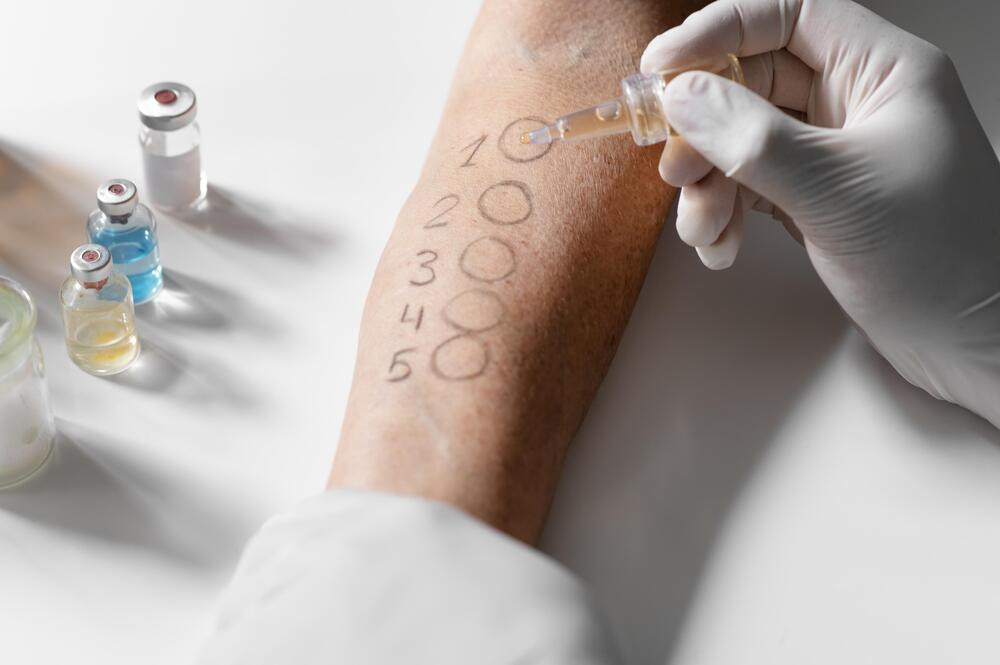
  • Skin Prick Test: To identify allergies to airborne particles or food.
  • Patch Test: For those suspected of being allergic to contact substances.
  • Blood Test: To measure the level of antibodies to specific allergens.


Once we know the exact cause, avoidance can be targeted effectively, reducing the chances of flare-ups and restoring your quality of life.