ATTHAPON EIAMUDOMKAN, M.D.
Pediatrics Family Medicine Pediatric Pulmonology


In the quiet of the night, a soft snoring sound from your little one's bed might make some parents smile with endearment, thinking it’s just a sign of exhaustion from a busy day of play or seeing it as a normal occurrence for children. However, from a doctor's perspective, "snoring in children" is not something to be overlooked. Often, that sound is a warning signal from the body saying, "I am having trouble breathing."
We are facing the unavoidable crisis of fine particulate matter, or PM 2.5, covering our cities. This is not just an environmental issue; it is a silent threat that directly attacks a child's respiratory system.
A child's body is much more fragile than an adult's. Their airways are small and narrow. When they inhale PM 2.5, these tiny particles travel deep into the respiratory system and cause the following effects:
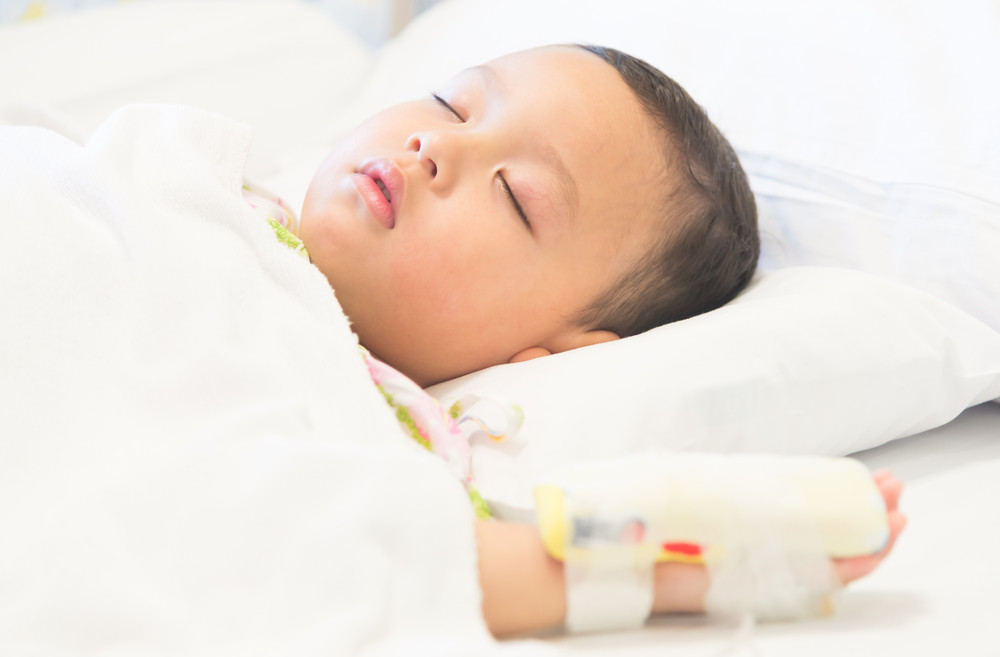
If a child is left to snore continuously for a long time, the doctor's greatest concern is Obstructive Sleep Apnea (OSA), which can have unexpected negative impacts on various aspects of a child's development.
Doctors recommend that parents closely observe their child's symptoms. If you find that your child snores loudly and consistently, has gasping episodes, or looks tired while sleeping, you should consult a specialist for a thorough check-up.
Don't let your child's snoring become a familiar habit, because every smooth breath at night is the foundation of good health and a bright smile every day.
Pediatrics Family Medicine Pediatric Pulmonology

Developmental and Behavioral pediatrics

PEDIATRIC DENTISTRY

Pediatrics Family Medicine Pediatric Allergy and Immunology