
Dr. SIRINPORN PIYAPINYO
Pediatric Dentistry



When parents notice that their beloved child has "black teeth" or "black stains on their teeth" appearing on their bright smile, it often causes quite a bit of shock and worry, leading to immediate fears that the tooth is decaying and spreading. As a pediatric dentist, the first thing I want to reassure you about is that "black teeth do not always mean decay, and decayed teeth do not always look black either."
To ease your concerns and help parents handle this properly, let's look at what the true causes are and what signs we should observe.
The types of dark stains on children's teeth can be broadly divided into 2 main categories, which require completely different management methods as follows:
This type is usually external staining adhering to the tooth surface, not caused by tooth decay. It can be cleaned and polished away by a dentist to restore brightness. There are 3 main causes:
Please Note: Even though the dentist can polish these stains away until sparkling clean, they can recur depending on the child's eating habits or saliva composition. Parents do not need to worry; you can bring them in for periodic cleaning.
In this group, the dark color is embedded inside the tooth structure, requiring diagnosis and treatment by a dentist. They are categorized into:
Genetic Abnormalities: A condition where the tooth structure cannot form normally due to genetic factors.
If your child has "black teeth without decay" (such as tea/coffee stains or bacterial stains), there may not be severe pain yet. However, if it progresses to "black teeth with decay" or includes complications such as:
These symptoms are urgent signals not to delay, because pain affects children's growth, sleep, and mental health.
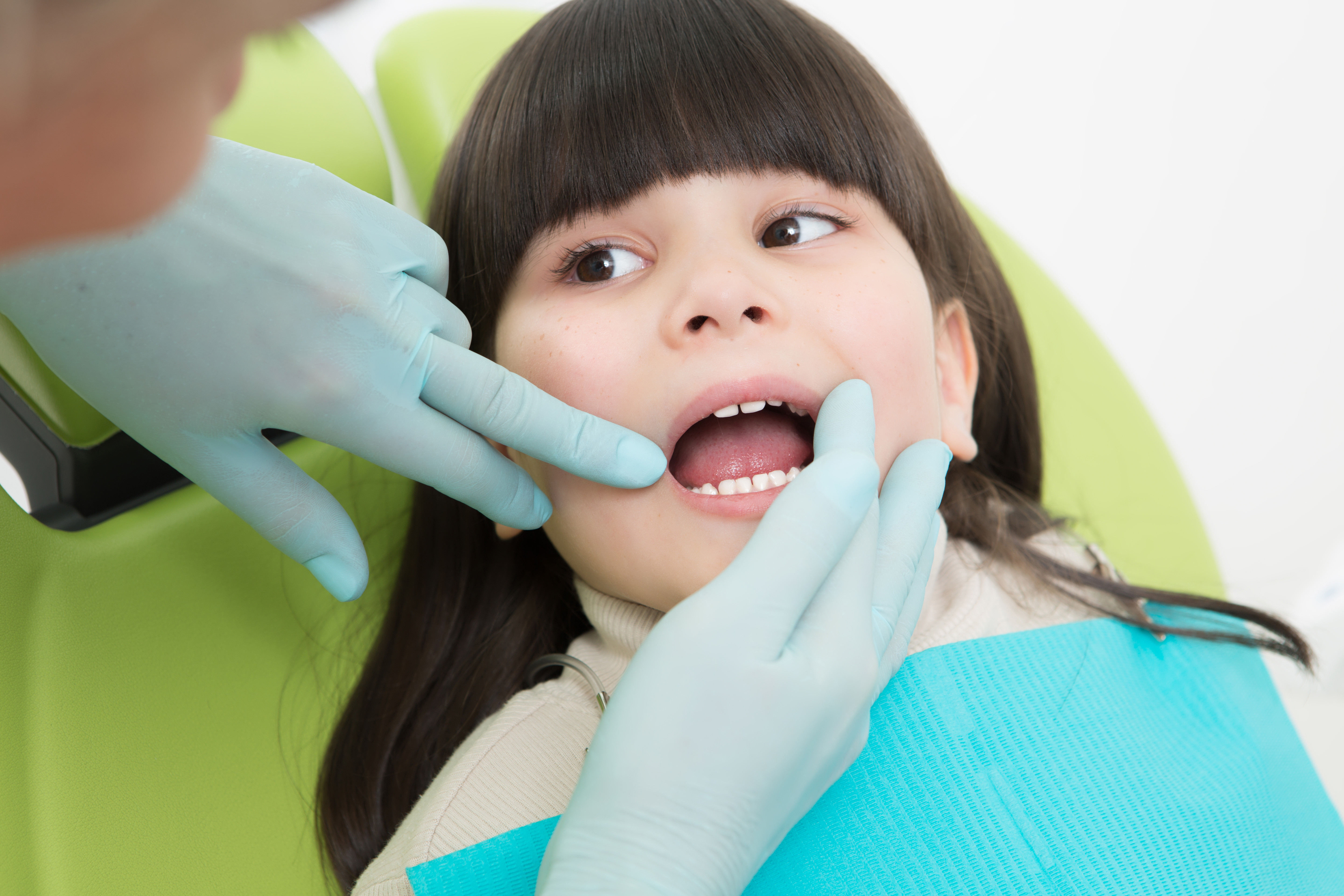
To answer the question "How to fix black teeth?" the best solution is not to wait for permanent teeth to replace milk teeth, because milk teeth are extremely important for chewing, speech, and maintaining space for permanent teeth.
Pediatric Dentistry

Endodontist
Prosthodontics

Prosthodontist


