
SITHA PHONGPHIBOOL, PhD, ACSM-CEP
Exercise Physiology.



The word "obese" hurts even when whispered. It hurts both the heart and the body because when we start to gain weight, we also begin to face risks of various health conditions, such as diabetes, high blood pressure, knee osteoarthritis, stroke, coronary artery disease, high blood cholesterol, and other subsequent illnesses.
But if you have not managed to lose weight yet, what can you do if you want to remain healthy despite being overweight?
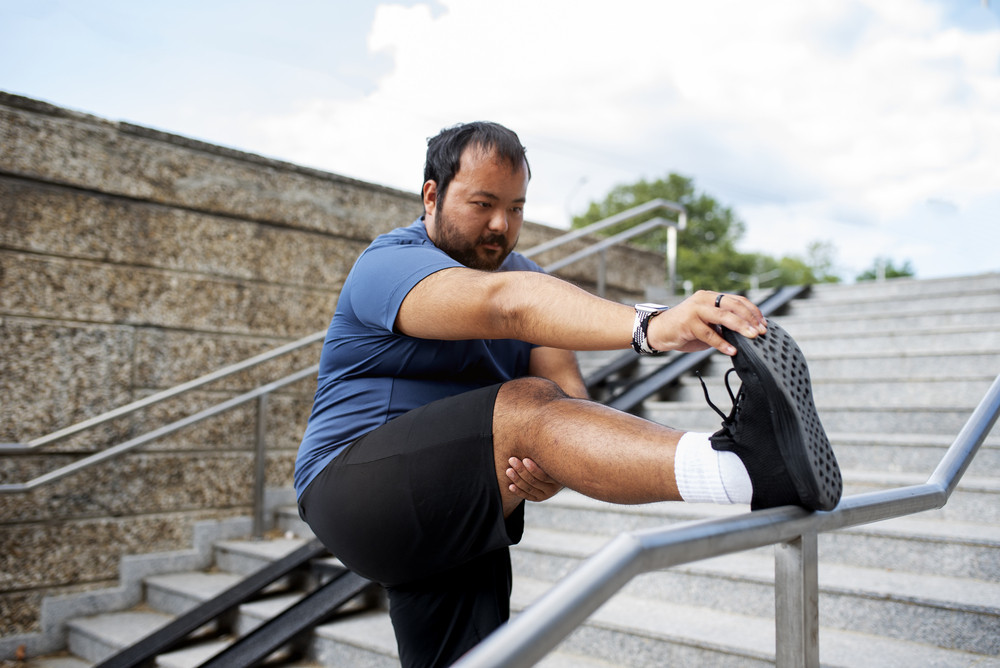
Exercise is a great approach. Done consistently and regularly, it boosts the body's metabolic rate, helping to reduce visceral and subcutaneous fat accumulation. Moreover, it strengthens the body, lowers the risk of conditions associated with obesity, and most importantly, serves as the most effective tool to noticeably lose or manage your weight.
However, individuals with a high body weight need to start carefully and choose appropriate activities, as obesity often carries underlying risks or conditions that act as medical contraindications to exercise. Therefore, to safely hit your goals and achieve success, you should follow these guidelines:
Aside from conventional medical treatments, adjusting daily lifestyle behaviors—whether related to dietary habits or exercise—is highly crucial and forms an integral part of holistic care. Our goal goes beyond just managing or resolving the condition; we look closely toward preventing future complications, ensuring a higher quality of life, and building long-term physical strength.

The Cardiac and Pulmonary Rehabilitation Department is located on the 10th Floor of Building 3, Ramkhamhaeng Hospital. Open daily from 07:00 AM to 08:00 PM. Tel. 027439999 ext. 3040
Exercise Physiology.

Internal Medicine, Endocrinologist

Internal Medicine, Endocrinologist

Internal medicine, Endocrinology and Metabolism


