Messenger

Clearing Up Doubts About the COVID-19 Vaccine

May 28 / 2026

covid-19 vaccine


There are 4 main types of COVID-19 vaccines:

  • Inactivated Vaccines (Inactivated virus) such as Sinovac, Sinopharm
  • Viral Vector Vaccines, which use a live but modified virus that cannot replicate (Non-replicating viral vector) such as AstraZeneca, Johnson & Johnson, Gamaleya (Sputnik)
  • mRNA Vaccines such as Pfizer, Moderna
  • Protein Subunit Vaccines (Protein-based vaccine) such as Novavax


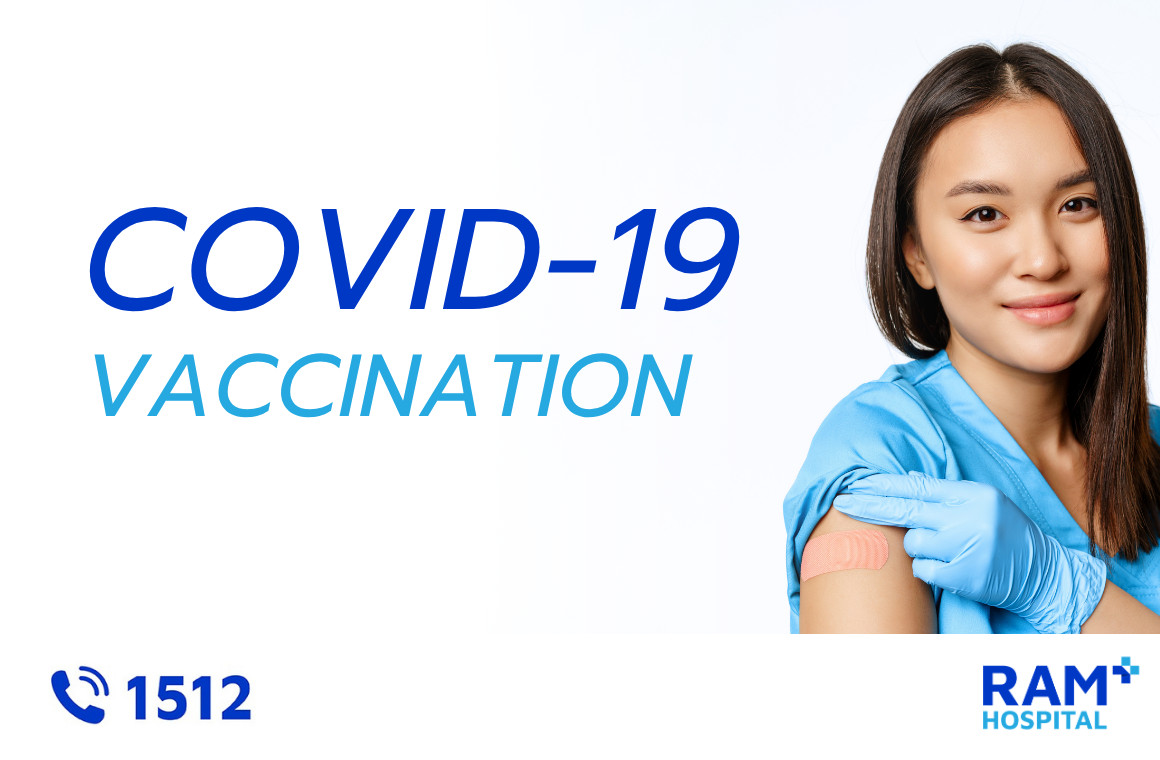
COVID-19 Vaccine


Why should we get the COVID-19 vaccine?

     Currently, people around the world, including in Thailand, are receiving COVID-19 vaccines. The primary goal is to reduce the severity of illness, hospitalizations, deaths, and transmission, as well as to build immunity against future infections. When people do not get sick or remain asymptomatic, the spread of the virus decreases significantly.


Benefits of Receiving the COVID-19 Vaccine

Receiving the COVID-19 vaccine has been confirmed to provide the following benefits:


  • Effectively helps build immunity against COVID-19. Once the vaccine enters the body, it stimulates the immune system, allowing the body to recognize the virus. If exposure occurs later, white blood cells can quickly deploy antibodies to neutralize the virus before severe illness develops.
  • Getting vaccinated is like preparing your body to fight the COVID-19 virus. The level of defense depends on each individual's physical health, and it takes some time after vaccination for the body to build full immunity.
  • Therefore, even after vaccination, it remains essential to wear face masks, wash hands frequently, and practice social distancing in conjunction with the vaccine.

COVID-19 VaccineCOVID-19 Vaccine


Who has restrictions on receiving the COVID-19 vaccine?

  • Contraindicated for individuals under 18 years old.
  • Those with a history of severe allergic reactions to vaccines, medications, or vaccine ingredients.
  • Pregnant or lactating women, or those planning to become pregnant.
  • Individuals who have received blood transfusions, plasma, blood products, blood components, immunoglobulins, antiviral drugs, or antibodies for COVID-19 treatment within the past 90 days.
  • People with unstable underlying medical conditions or uncontrolled symptoms, such as chest pain, asthma, severe fatigue, palpitations, etc.
  • Those with underlying neurological or brain disorders.
  • Individuals who have tested positive for COVID-19 within the past 10 days.
  • Those with acute illness, or who were hospitalized and discharged less than 14 days ago (vaccination must be postponed, and a doctor should be consulted first).
  • People with immunodeficiency conditions or those receiving immunosuppressive drugs (must consult their attending physician before vaccination).
  • Individuals with bleeding disorders, low blood platelets, abnormal blood clotting, or those taking anticoagulants (must consult their attending physician before vaccination).
  • People currently experiencing illness symptoms such as fever, chills, difficulty breathing, or muscle fatigue (vaccination must be postponed; however, individuals with a mild cold and no fever can receive it, though consulting a doctor first is recommended).


Q&A Other Frequently Asked Questions About COVID-19 Vaccines

1.  Can COVID-19 vaccines protect against mutated variants?

     Yes. Some variants may reduce vaccine efficacy, but reduced efficacy means the vaccine is still effective.
 

2.  Is there a chance of another outbreak?

     The current situation serves as a warning that outbreaks can occur in any community or area. To better prepare and handle potential new waves of the COVID-19 virus, doctors recommend getting vaccinated as soon as possible.


3.  Do COVID-19 vaccines cause blood clots?

     Receiving a COVID-19 vaccine does not increase the risk of developing general blood clots. It is associated with a specific, extremely rare type of blood clot, which has not been reported in Thai populations. In contrast, contracting COVID-19 actually poses a significantly higher risk of blood clot formation.


4.  Can vaccination cause temporary hemiparesis (half-body numbness)?

     Numbness or temporary weakness on one side of the body can occur. It is a temporary condition that may result from physical unreadiness, fatigue, or anxiety during vaccination. It typically fully resolves within 1-3 days or no longer than 1 week.


5.  Do side effects differ across age groups?

    Yes, they differ. Younger individuals and females may experience more common side effects. For the elderly and those with underlying conditions, vaccines do not increase side effects, but getting infected with COVID-19 would lead to severe symptoms. Therefore, vaccination is highly recommended.


6.  Do side effects differ between different vaccine brands?

     Yes, they do. The AstraZeneca vaccine is a “viral vector” vaccine, which can cause fever and muscle aches but offers high protection starting from the first dose. Meanwhile, the Sinovac vaccine is an “inactivated” vaccine with fewer side effects, but requires completing 2 doses to achieve full immunity.


7.  What if side effects occur after receiving the COVID-19 vaccine?

     There is no need to worry. Every vaccination service station is fully equipped with personnel and medical equipment according to standards. Recipients are advised to rest and be observed for at least 30 minutes. If any side effects occur, staff can provide immediate medical assistance or referral.


8.  Is it still possible to contract COVID-19 after being vaccinated?

     Although COVID-19 vaccines may not completely prevent infection, they significantly reduce the severity of the disease. Therefore, it remains necessary to wear surgical face masks, maintain social distance, and wash hands frequently for long-term health protection.


9.  Can I get a flu vaccine along with the COVID-19 vaccine?

     Yes, the influenza vaccine can be administered concurrently with the COVID-19 vaccine.


Receiving a COVID-19 vaccine depends on individual voluntary consent, medical readiness, and clinical assessment by a physician.


Last Updated: 22/11/21