
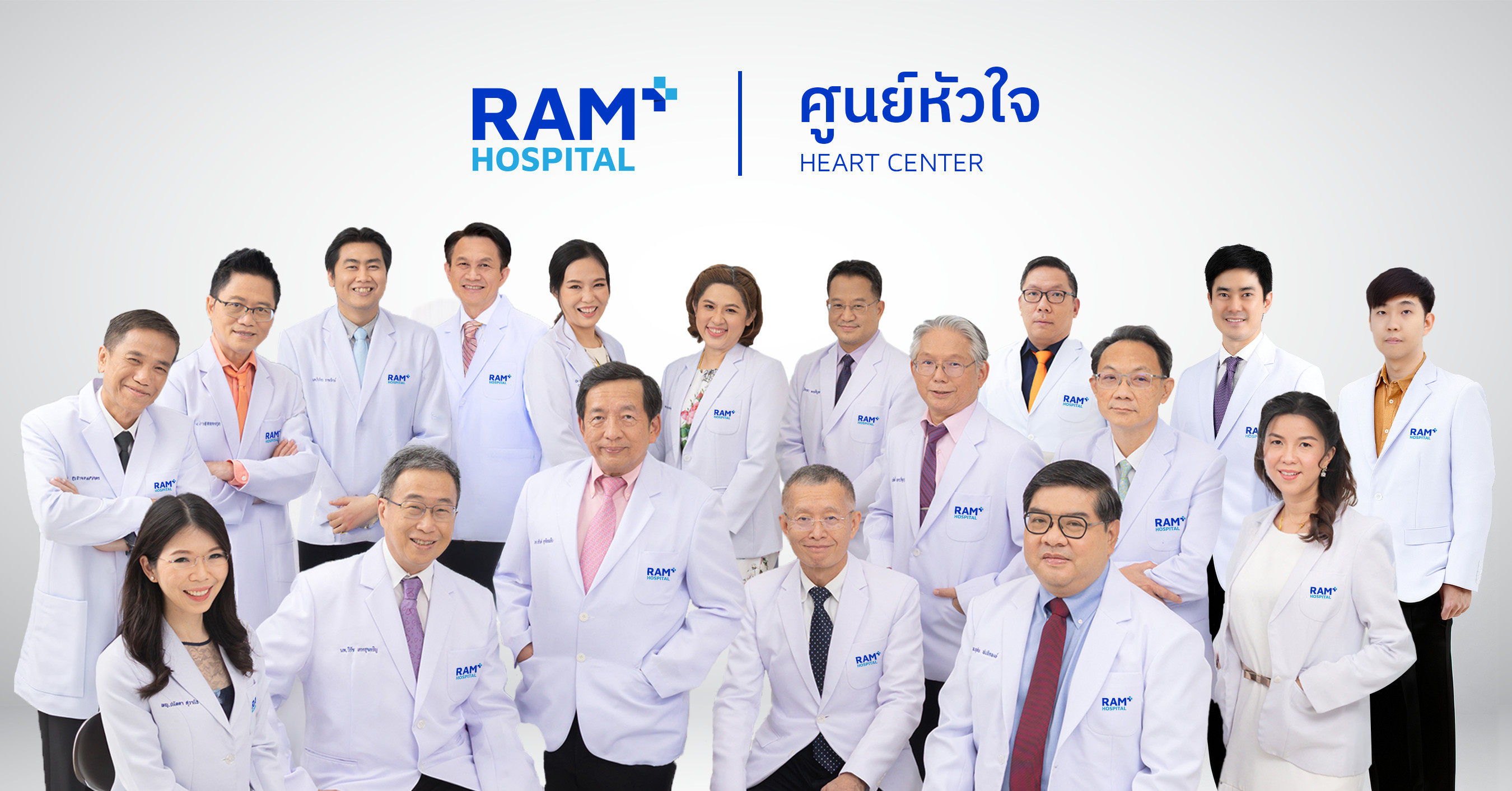

胸闷、胸痛、呼吸困难,蓝康恒医院心脏中心为您守护。由多科室心血管专科医师团队提供全方位诊疗服务,涵盖预防保健、心脏无创诊疗、心脏手术及心肺康复,帮助您重归健康生活。


蓝康恒 医院心脏中心以高度投入的态度为每位患者提供诊疗服务,并将安全性视为首要原则。本院提供24小时全天候服务,对于急性心肌梗塞等紧急情况,可在国际标准规定的90分钟内实施心脏血管扩张治疗

蓝康恒医院心脏中心提供24 小时诊疗服务,涵盖多种心脏疾病,包括疑难病症。
我们用心理解、专业守护您的心脏,并配备先进医疗设备。
目前医生已发展出微创心脏手术 (MICS) 修复或置换心脏瓣膜,仅需在胸腔做小切口,避免传统开胸,可减少并发症、减轻疼痛、缩短住院康复时间。

Patient with 3 Blocked Coronary Arteries and COVID-19 Infection
Mr. Jasmin Rangsakorn's son shares his experience:
"The treatment was easy to understand, clearly explained, visual, and very fast."
My father had been experiencing chest tightness for about two weeks, feeling like food wouldn't go down. He initially thought it was due to lack of sleep or acid reflux. Resting more didn't help, and the constant chest tightness led to sleepless nights. We later learned these were symptoms of fluid build-up in his lungs, making it impossible for him to lie flat. One night, his condition worsened significantly, and he couldn't breathe, so we rushed him to the hospital. He was diagnosed with three blocked coronary arteries and treated with angioplasty. Coincidentally, this was during the Omicron outbreak, and my father also contracted COVID-19. It was fortunate he could receive immediate treatment, as finding a hospital bed was difficult then.
The doctors provided excellent care with modern equipment and valuable advice on his treatment plan. The explanations were clear and easy to visualize, and the treatment was incredibly fast; my father was wheeled out in no time. Finally, I want to emphasize the importance of regular health check-ups. If you don't take care of yourself, you must get screened. Another crucial point is that heart disease can be dangerous because it develops gradually. It can easily be mistaken for acid reflux or other conditions. It's better to get checked early while you can still walk, rather than waiting until you need to be stretchered in, as it might be too late.
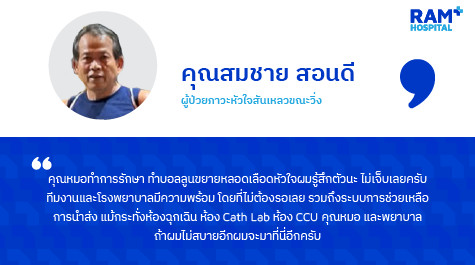
Former Patient's Account: Heart Failure During a Run
Somchai Sondee recounts his experience:
"I'm a regular runner but never had annual check-ups. Three years ago, I fainted once but could continue walking. I don't have any underlying conditions. This time, I was running my first half-marathon (21.1 km) after a three-year break due to COVID-19, with minimal training. Around the 8 km mark, on the second bridge, I felt exhausted, then blacked out. I regained consciousness in the ambulance after receiving CPR, hearing the doctor, also a runner, say, 'I'm so glad we could help him.' Tears just streamed down."
"I just thought someone ran into me. I couldn't open my eyes, my chest hurt, I was dizzy, and couldn't speak. I felt like it was 50/50 whether I'd make it. Upon arriving at the hospital, I was rushed to the emergency room, hooked up to oxygen and various machines. I was conscious and felt no pain when the doctor performed the balloon angioplasty to widen my coronary artery."
"Everything was excellent. The team and hospital were fully prepared, with no waiting. This included the rescue system, transport, emergency room, Cath Lab, CCU, doctors, and nurses. If I get sick again, I'll definitely come back here."
Cardiologist's Perspective: Dr. Somsak Ekprachakul
Dr. Somsak Ekprachakul, a cardiology specialist who treated Mr. Sondee, stated:
"When Mr. Somchai arrived at the hospital, he was conscious. We immediately began diagnostics. His EKG showed abnormalities consistent with acute myocardial infarction. We quickly performed a cardiac catheterization to assess his blood vessels. One of his three main heart arteries was severely narrowed, almost completely blocked. We used a catheter to insert a balloon and immediately expanded the artery. Then, a stent was deployed to keep the vessel open, all in one procedure."
"This patient's case was considered cardiac arrest. There was no blood flow from the heart to the brain, leading to unconsciousness within seconds. Resuscitation is critically important within the first five minutes after losing consciousness. If revived, it's crucial to open the coronary artery within four hours."
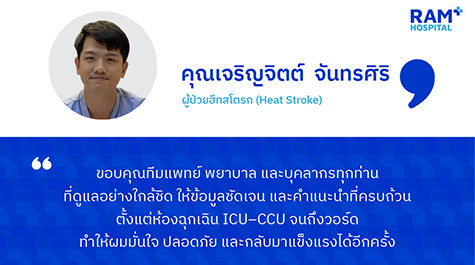
Heat Stroke Patient
Mr. Charoenjitt Chandrasiri – Interview
“I would like to thank all the doctors for their care, guidance, and for providing treatment options with clear and detailed information. I was fortunate to receive care from the Emergency Department team.”
“I remember finishing the race and feeling like I wanted to rest—then everything went blank.”
“When I regained consciousness, I received excellent care. After waking up, I had no chest pain, no chest discomfort, and no dizziness. The doctors conducted cardiac evaluations, including a coronary angiography to assess the condition of my blood vessels, and informed me that my coronary arteries were normal. The doctors and nurses also advised me on taking care of my health—how to assess my physical condition, consider weather conditions, and evaluate my readiness before engaging in various activities.”
“Once again, I would like to thank all the doctors for their attentive care, clear guidance, and comprehensive information. I received excellent care from the Emergency Department, the ICU and CCU teams, as well as the inpatient ward. Whenever I asked for assistance or advice, everyone provided clear answers, attentive care, and thorough explanations.”
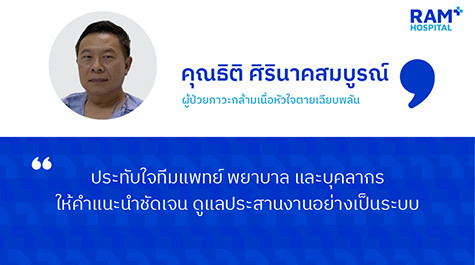
Acute Myocardial Infarction Patient
Mr. Thiti Sirinaksomboon – Interview
“I was very impressed with the staff, nurses, and doctors for their excellent guidance and their support in coordinating all aspects of care. If an annual health check reveals any abnormalities, treatment should be sought as soon as possible. Some people may not undergo regular health checkups, so it is important to emphasize the significance of routine health screenings and proper treatment in order to help reduce the number of cases like this.”
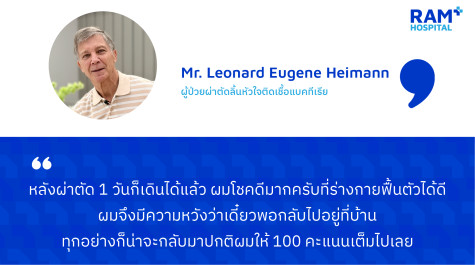
Patient Undergoing Surgery for Bacterial Heart Valve Infection
“I was able to walk just one day after surgery. I feel very fortunate that my recovery has been going well, and I’m hopeful that once I return home, everything will be back to normal soon. I would give them a full 100 out of 100.”
I experienced chills during the night and would sometimes wake up drenched in sweat, with my pillow completely soaked. I initially received treatment at a hospital near my home for about one week, and then continued treatment there for another 7–8 days. During that time, the doctors were still trying to determine the cause of my fever and chills. Eventually, I was told that nothing appeared to be wrong.
At that point, I felt I could not leave things unresolved and decided to seek treatment at a better-equipped hospital that could identify the real cause and provide the right treatment. I then chose Ramkhamhaeng Hospital, where I received a diagnosis within 48 hours. One day here compared to five or six days there made a tremendous difference.
Although the diagnosis was very serious and quite shocking, I still felt reassured because the doctor explained everything very clearly. I was able to fully understand what was happening, and everything made sense. That was something I truly appreciated.
Seeing such a confident and professional medical team was very reassuring. From the very beginning, starting with the doctor who accepted my case to the specialists who were consulted afterward, everything was handled extremely quickly and efficiently. Every aspect of the care was excellent.
What impressed me the most was the close follow-up, attentiveness, and overall quality of care. The doctors checked on me every single day, and I felt genuinely reassured by the close monitoring throughout my treatment.
Of course, after undergoing open-heart surgery, the body goes through a very difficult period initially. However, I can now walk continuously for one to two hours. I was already able to walk just one day after surgery, and the following day, the doctor strongly encouraged me to get up and walk again. The nurses even mentioned that I had already been walking around for two to three days.
I feel extremely fortunate that my body has recovered so well. It gives me hope that once I return home, everything will gradually return to normal very soon. I would honestly give the hospital a perfect score of 100 out of 100.
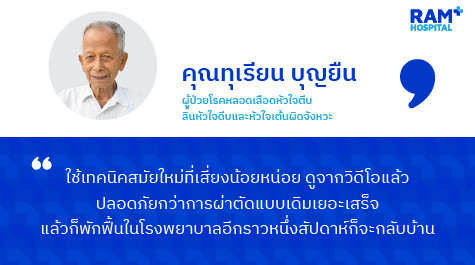
Patient with Coronary Artery Disease, Valvular Stenosis, and Arrhythmia
Mr. Sakchai Doknammai shares his experience
"Using modern, less risky techniques, it looked much safer than traditional surgery from the video. Afterward, about a week of recovery in the hospital, and then he'd go home."
Before becoming fatigued, my uncle had trouble sleeping, having worked tirelessly all day without rest, leaving him drained. We took him to the hospital, unsure of the cause of his exhaustion. He had been told by a previous doctor that he had a leaky heart valve for a long time but hadn't sought treatment, only taking medication for a pinched nerve in his neck, epilepsy, and an enlarged prostate. He wasn't concerned about his heart valve because he could still perform daily activities normally. During that period, insufficient rest and overexertion led to severe shortness of breath and incomplete breathing.
We first took him to a hospital, but due to the COVID-19 pandemic, they couldn't immediately identify the cause of his fatigue, requiring a multi-day wait. His condition worsened, and he refused to eat, causing his health to decline. Fortunately, someone recommended Ramkhamhaeng Hospital, where they had previously received treatment and a relative had undergone heart valve replacement. We contacted Ramkhamhaeng Hospital to send an ambulance, bringing all his medical records. The doctor examined him and found that he had pulmonary edema due to heart failure, initially caused by severe heart valve stenosis.
However, coronary artery disease might also have been a contributing factor. Three days later, when his condition improved, we took him for an angiogram, which confirmed the presence of coronary artery disease. He was advised to undergo balloon angioplasty, which we decided to do that day. The procedure took about half an hour, and afterward, he was able to converse normally. The plan was to recover fully before treating the valve stenosis, but while waiting, he developed pulmonary edema again, requiring continued hospitalization until his valve replacement. If he had gone home, the same problem would have recurred.
Regarding the heart valve surgery, it wasn't a major operation. Instead, an artificial heart valve was inserted via catheter and placed over the existing valve without removing it. This modern technique, seen in videos, is less risky and safer than traditional surgery. He was expected to recover in the hospital for about a week before returning home. However, while waiting to be discharged, he experienced dizziness and almost fainted. Luckily, this occurred while he was in the CCU. It was discovered that his heart rate was very slow, so Dr. Buncha urgently recommended a pacemaker. After the pacemaker was implanted, he regained consciousness, could speak and smile, which was a huge relief for me. He then recovered in the hospital for another week before going home.
The doctor scheduled a follow-up appointment for one month later. Before that appointment, he mentioned experiencing constant lightheadedness. During the visit, Dr. Buncha examined him and had him wear a Holter monitor for two days to track his heart rate. The results showed abnormal heartbeats both while awake and asleep, which the doctor explained could lead to acute heart failure. The doctor prescribed medication, and after taking it, he no longer experienced those symptoms. He continues to take the medication without any issues.
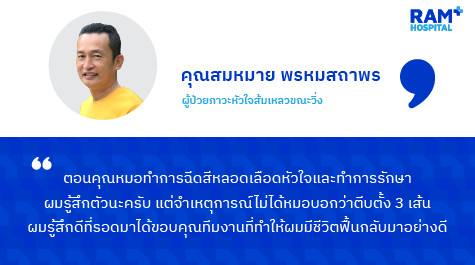
Mr. Sommai Promsathaporn shares his story.
"I had no pre-existing conditions; I enjoyed running and exercising. My annual check-up revealed high cholesterol and triglycerides, which improved after exercise. However, I never had a heart check-up. At the 19km mark of my run, I had no warning signs – no difficulty breathing, no chest pain. I suddenly blacked out and remember nothing. I was conscious during the angiogram and surgery, but still can't recall the events. When I woke up, I was still in shock, asking my wife if I finished the race, where my shirt was, and where my medal was."
"I thought it wouldn't happen to me because I'd completed 21km many times and trained regularly. I knew there were risks in competitive running, but I was willing to run and overlooked them, believing I'd be fine. This was completely unexpected."
"I'm grateful to be alive; I still have my family, my loving wife, siblings, friends, pets, and plants. Thank you to the team who helped me recover so well. I might have lived an extreme lifestyle, but I'm not afraid to live. However, recovering has made me feel good. I want to tell those who don't get health check-ups to listen to their doctors. Exercise step by step; don't jump ahead or live too extremely. Live in moderation."
Dr. Pailin Paspitsanu, a cardiologist who treated Mr. Sommai, stated:
"His electrocardiogram showed signs of a previous myocardial infarction (heart attack). When I first saw him, he was disoriented and couldn't recall anything. A brain CT scan showed no signs of stroke or bleeding. His cardiac enzyme levels were around 1,500 (normal is under 45), indicating heart muscle damage. His heart ultrasound showed poor left ventricular contraction (around 53-54%) and a slightly enlarged left heart chamber. An angiogram revealed three severe blockages, most critically over 50% in the left main coronary artery. Treatment options were bypass surgery or angioplasty with stenting, with the best choice depending on the patient's condition. Mr. Sommai and the medical team chose angioplasty with three stents, which took about two hours. He is now feeling well."
Mr. Sommai's collapse was due to acute coronary artery occlusion, leading to myocardial ischemia. Strenuous exercise caused a rapid heart rate, increased blood pressure, and a surge in adrenaline. This made the heart pump forcefully but inefficiently, leading to chest tightness and collapse. Such events during running are often heart-related, especially in runners with undiagnosed coronary artery disease. When the heart's demand for blood increases but it's obstructed by blockages, it leads to ischemia, myocardial death, and heart failure. Prompt treatment with an angiogram was crucial to identify the blockages and determine further intervention.
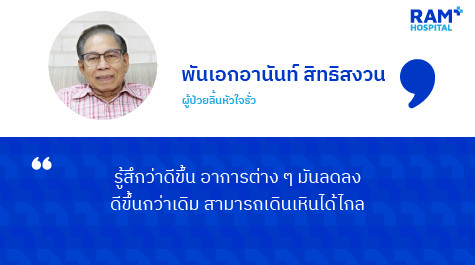
"Feeling better. The symptoms decreased. Better than before. And can walk a long distance"
There are usually regular physical exams. After examining, the doctor said that the heart valves started leaking, but not much, yet I didn't have to do anything, just wait and see for 3 years, the doctor told me it was a lot. The drawer is already making noise and leaking. So I asked your doctor, how many treatments are there, The hospital that takes care of us has a method to do it, but the only way is surgery. No other methods, but the doctor said that there are usually two methods of surgery, TAVI, but we still do not have it.
Here we are. So what shall we do? We are still afraid of the dummy building. I haven't decided anything yet. Tell the doctor to consult with your family first. Everyone concluded that with 85 years 85-year-old father did not want to hurt a lot. So I thought it was better to do it with TAVI, and it was a new way.
With an older father to have surgery like that, the risk is high. Especially the subject of infection. And then we talked to the doctor, and I thought that the TAVI method was one to reduce the pain. Meaning there is no personal injury or very little pain, which my father made, never complaining that there was a wound or anything at all
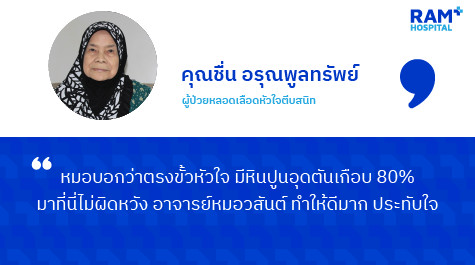
"I felt no pain, just a sensation like something moving inside me. After leaving the catheterization lab, my chest felt clear, with no wound pain—just a little drowsiness."
In the early hours of Monday, June 17, the medical team at Ramkhamhaeng Hospital's Cardiac Catheterization Center performed a cardiac catheterization on Police Sub-Lieutenant Vararon Ruechaikiat, 44. After this significant procedure, he recounted the origin of his heart condition. Earlier this year, he experienced chest pain, and a preliminary examination revealed severe blockages in three coronary arteries due to fat deposits. One artery was completely blocked, allowing no blood flow, while the other two were dangerously obstructed.
The treating physician recommended urgent intervention at Ramkhamhaeng Hospital's Cardiac Catheterization Center, which is fully equipped to treat such conditions without bypass surgery. This news brought him great relief, as he and his family were deeply concerned about the prospect of surgery.
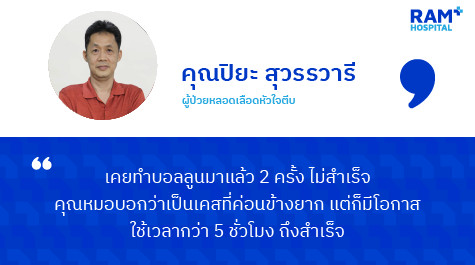
“It's a difficult case. Because it has been done twice and failed, but there is a chance."
I have had a blood lipid test since I was about 35 years old. It turned out that my arterial lipid values were high. But we think that we exercise, and diet should help, and I think that we are young. And we still did not want to take drugs and lived like that until we were around 50. Until the end of last year, I felt that the fat was high for a long time and became uncomfortable, so we went to the hospital to check for a CT scan. We can find out what methods can be examined. It appears that the CT scan is too high. The risk factor is around 400. But mine is 1,100. This means that the coronary artery is likely to have a problem. But we still do not do anything and still live a normal life. I had the opportunity to go to a senior basketball tournament in Chiang Mai. My teammates later told me that there was a Heart Attack symptom. During my rest, I had a faint heartbeat, and I finally stopped breathing. But fortunately, in the gym, there was an athlete cardiologist on the court, so he tried to do it. CPR until rescuers brought the machine AED, shocked my heart, and immediately rushed me to the hospital in Chiang Mai. It turned out that night, there were two balloon surgeries. The left strand was narrowed by 80% but succeeded. The right strand was narrowed 99% that night did not succeed. But at least it is a certain level of safety.
When I return to Bangkok. I was still worried that the right strand was still constricted. So I went to another hospital for balloon surgery, and it was still unsuccessful. Until I got to know Dr. Wasan's name. I also looked at the history of treatment, how to treat this kind of treatment. After that, I came to find out about what hospital he worked at. When I came and talked to him, He suggested that it was a difficult case because it was done twice and failed, but there was a chance, so how much of a chance did we have to try a Coronary Angiography to get the answer? Because if done, it is likely to be cured. The doctor will do the treatment. I began to prepare myself for the body to enter the room at about 9 pm. Once the injection was complete, the doctor looked at it and it was highly possible to do that night, then we did it. In normal cases, it may take a short time because balloon surgery may take less time.
But after it was done, Dr. Uthai, who also attended the case, said it was quite a difficult case over the years. That night took about 5 hours to complete. The right heart vein returned to normal. So now I have all three coronary arteries as usual. The condition of my body is good, walking normally. And then I can begin to exercise a little.
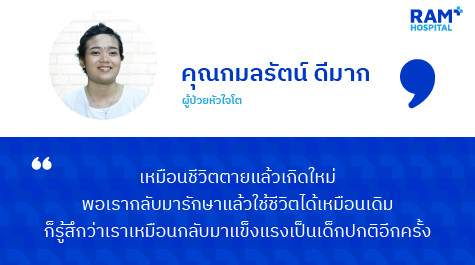
Former Cardiomegaly Patient: Kamonrat Deemark's New Lease on Life
"...It feels like being reborn. At that time, I felt like I was already dead. Now that I've received treatment and recovered, I feel strong again, like a normal child. That's because chemotherapy made my hair fall out and caused heart failure, to the point where I never thought I'd be as well as I am today... I want to thank all the doctors who treated me, from when I had an autoimmune disease, then leukemia in my lymph nodes, and finally heart failure. I truly want to thank them for giving me a new life."
Initially, Kamonrat Deemark suffered a bladder infection, leading to high fever and incessant vomiting. This progressed to a bloodstream infection, causing bruises on her arms and later lumps on her legs, making it difficult to walk. A biopsy revealed leukemia, requiring over six months of chemotherapy before her condition improved and she became cancer-free.
Unforeseen Heart Complications
Just three months later, new symptoms emerged: she couldn't lie flat due to breathing difficulties, and experienced vomiting and insomnia. Dr. Bandita assessed her, ordered an X-ray, and discovered an abnormally enlarged heart—it nearly filled the entire left side of her chest cavity, far exceeding the normal size (typically less than half the chest). Signs of pulmonary edema (fluid in the lungs) were also present. An echocardiogram further revealed that her heart muscle was severely weakened, functioning at only 29%, coupled with a leaky heart valve due to the enlarged heart structure. These factors caused her extreme fatigue upon hospital admission.
Recovery and Return to Normalcy
Following treatment involving medication adjustments and cardiac rehabilitation, a re-examination showed that her heart size had significantly reduced to near normal, with no signs of pulmonary edema. With medication to enhance heart contractility, her heart strengthened, allowing her to be discharged and resume her daily life and studies.
Beyond Recovery: Embracing Life Fully
After discharge, Kamonrat's mother consulted Dr. Bandita regarding her daughter's confidence in returning to physical activities she once enjoyed with healthy friends. Dr. Bandita recommended a VO2 Max test, a standard method for assessing cardiac performance in heart failure patients, using stationary cycling or treadmill running. The results confirmed Kamonrat's heart health was quite strong. The doctor then advised on further exercise. Kamonrat has since applied this information to her daily life and exercise routine. Currently, she can participate in sports and physical education just like her peers and has even successfully competed in singing contests, fulfilling her aspirations.
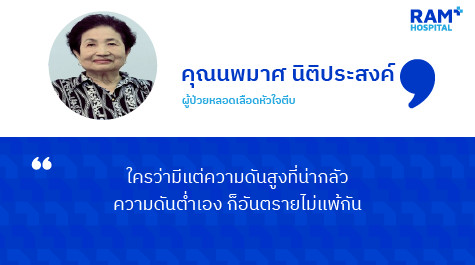
"I used to climb stairs many times a day, but suddenly I became easily exhausted and couldn't do it as often. I also had persistent neck and jaw pain, and a heavy head. This went on for 2-3 days. One day, while talking to a neighbor, I felt extremely tired and my face turned pale, so my grandchild rushed me to Ramkhamhaeng Hospital."
These were the initial symptoms of Noppamas Nitiprasong, who never expected low blood pressure to impact her life so severely.
Diagnosis and Urgent Treatment
After taking her medical history and checking her blood pressure, doctors found Ms. Noppamas had critically low blood pressure, putting her at risk of hypovolemic shock due to insufficient blood circulation. Further investigation revealed acute coronary artery stenosis, which severely affected her heart rhythm, causing a "severe abnormal slow heartbeat." Urgent treatment was required.
Once her dangerously low blood pressure was stabilized, doctors performed a coronary angioplasty and stent placement to restore blood flow to her heart.
Swift Recovery and Important Warning
Thanks to timely treatment, expert medical care, and well-equipped facilities, Ms. Noppamas recovered in just three days at the hospital. She then had regular follow-up appointments and has now returned to her normal daily life. Such severe symptoms, if mismanaged, could lead to serious health consequences or even loss of life. Therefore, whether you experience high or low blood pressure, it should never be ignored.
With best wishes from the Ram Doctors.
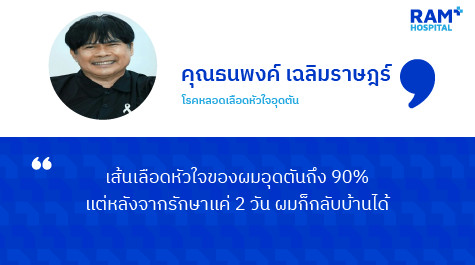
Former Blocked Coronary Artery Patient
"Initially, I was shocked, but the expert medical team and modern equipment put me at ease. After undergoing balloon angioplasty to widen my blood vessels, I only stayed in the hospital for one night before returning home."
This case clearly shows how much our habits affect our bodies. Therefore, consistent self-care and prompt medical attention for unusual symptoms are the best ways to reduce the risk of serious diseases.
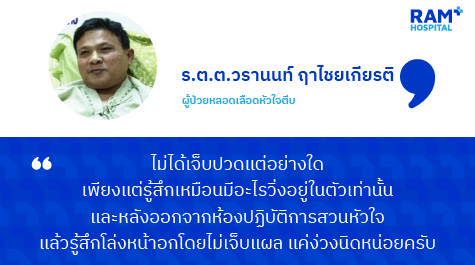
"I felt no pain, just a sensation like something moving inside me. After leaving the catheterization lab, my chest felt clear, with no wound pain—just a little drowsiness."
In the early hours of Monday, June 17, the medical team at Ramkhamhaeng Hospital's Cardiac Catheterization Center performed a cardiac catheterization on Police Sub-Lieutenant Vararon Ruechaikiat, 44. After this significant procedure, he recounted the origin of his heart condition. Earlier this year, he experienced chest pain and a preliminary examination revealed severe blockages in three coronary arteries due to fat deposits. One artery was completely blocked, allowing no blood flow, while the other two were dangerously obstructed.
The treating physician recommended urgent intervention at Ramkhamhaeng Hospital's Cardiac Catheterization Center, which is fully equipped to treat such conditions without bypass surgery. This news brought him great relief, as he and his family were deeply concerned about the prospect of surgery.
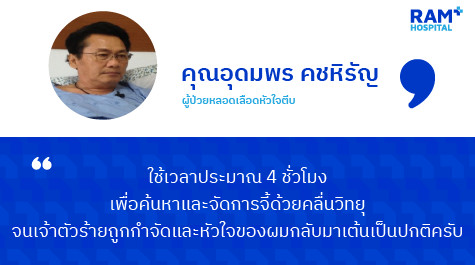
"I felt like there was a villain in my heart. I suspected it was a new one, replacing the old culprit that had caused so much trouble in my coronary arteries. The doctor had to evict that one using a balloon angioplasty. This new one made me feel fluttery, like my heart was trembling, similar to being extremely hungry or about to faint. It was beating incredibly fast, but I wasn't scared because I knew that would only make my heart race more. So, I tried to compose myself, taking deep breaths in and long breaths out, gradually calming down. I then went to the nearest hospital where I had been treated before. They checked everything, and it all came back normal. No sign of a blood clot, and an angiogram showed my heart was clear. So, I went home, but then it happened again. That's when I truly believed there had to be a new villain hiding. My doctor then recommended I consult with Dr. Banchar and arranged an appointment at Ramkhamhaeng Hospital. They have a team and equipment there to detect these 'heart villains,' using radiofrequency ablation to find and eliminate them. It took about four hours, but the culprit was finally dealt with, and my heart is back to beating normally."
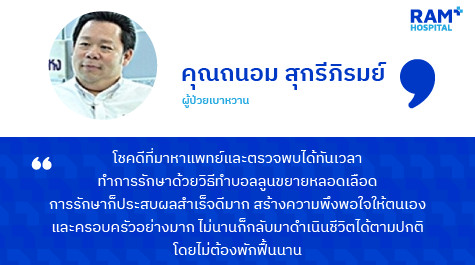
He had already been living with diabetes. Prior to seeing a doctor, he happened to take a type of herbal medicine. Later, in the middle of one night, he suddenly experienced a sensation of intense heat throughout his body and palpitations. Even after sitting down to rest, the symptoms did not subside, prompting him to decide to go to Ramkhamhaeng Hospital, which was close to his home and where he already had confidence in the care provided.
After undergoing various cardiac examinations, no abnormalities were initially found. The physicians therefore decided to proceed with coronary angiography using contrast injection. The results were extremely alarming, as they revealed severe coronary artery disease involving three vessels: the first artery was narrowed by nearly 40%, the second by 80%, and the third was completely occluded (100%).
Fortunately, he sought medical attention and was diagnosed in time, allowing the doctors to proceed with treatment using balloon angioplasty. He understood that this approach carries lower risk, does not require open surgery, and allows for rapid recovery. The procedure was highly successful, bringing great satisfaction to both him and his family. Before long, he was able to return to his normal daily life without a prolonged recovery period.
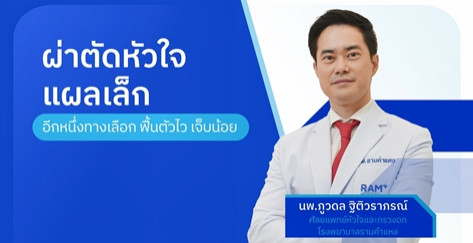
 การผ่าตัดหัวใจแผลเล็ก อีกหนึ่งทางเลือก ฟื้นตัวไว เจ็บน้อย
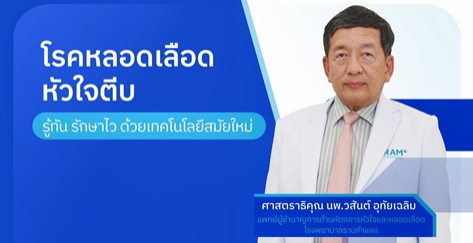
 โรคหลอดเลือดหัวใจตีบ รู้ทัน รักษาไว ด้วยเทคโนโลยีสมัยใหม่
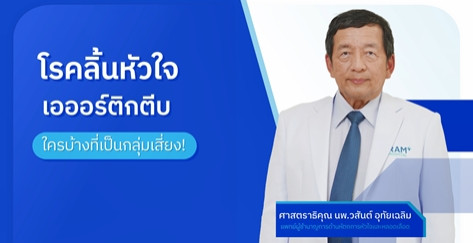
 “โรคลิ้นหัวใจเอออร์ติกตีบ” ใครบ้าง? ที่เป็นกลุ่มเสี่ยง
 โรคหลอดเลือดหัวใจตีบ ป้องกันและรักษาได้ด้วยเทคโนโลยีที่ทันสมัย
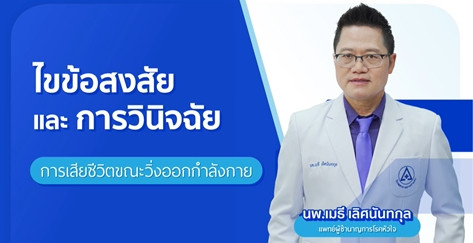
 ไขข้อสงสัยและการวินิจฉัย การเสียชีวิตขณะวิ่งออกกำลังกาย
 มะเร็งกล้ามเนื้อหัวใจ ใกล้ตัวเราแค่ไหน?
 เหนื่อยง่าย ใจสั่น ใจเต้นแรง ขาบวม สัญญาณเตือน “โรคกล้ามเนื้อหัวใจอ่อนแรง”
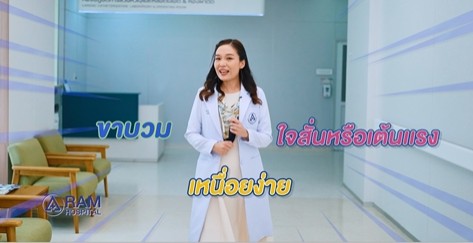 เจ็บแน่นหน้าอก เหนื่อยง่าย หายใจหอบ เสี่ยงโรคหลอดเลือดหัวใจตีบ
 ภาพบรรยากาศงานสัมมนา และ Workshop “ภาวะ วูบ หมดสติ”
 โรคหลอดเลือดหัวใจตีบ เกิดจากอะไร?
 ภาวะหัวใจล้มเหลว ขณะออกกำลังกาย
 ใจเต้นแบบไหนไม่ควรมองข้าม
 โรคหลอดเลือดหัวใจตีบ ภัยเงียบอย่ามองข้าม
 เชียร์กีฬาปลอดภัย ไม่เสี่ยงหัวใจวาย
 อายุน้อยก็ “เสี่ยง” โรคหัวใจได้
 เจ็บแน่นหน้าอกแบบไหน กรดไหลย้อนหรือโรคหัวใจ
 เทคโนโลยีการเปลี่ยนลิ้นหัวใจเอออร์ติกตีบ โดยไม่ต้องผ่าตัด
 อาหารสำหรับผู้ป่วยโรคหลอดเลือดหัวใจ
 TAVI เปลี่ยนลิ้นหัวใจ โดยไม่ต้องผ่าตัด
 เทคโนโลยี VO2 MAX คืออะไร?
 TAVI เปลี่ยนลิ้นหัวใจเทียมผ่านสายสวนโดยไม่ต้องผ่าตัดใหญ่
 สัญญาณอันตราย ของหัวใจล้มเหลวเฉียบพลัน
 ความเครียด ปัจจัยเสี่ยงที่นำไปสู่โรคหัวใจ
 เทคโนโลยีการพัฒนาสมรรถภาพหัวใจ VO2 MAX
 โรคหลอดเลือดหัวใจตีบสนิท
 การรักษาโรคลิ้นหัวใจตีบ
 สัญญาณเตือนภาวะหัวใจล้มเหลว
 ภัยเงียบโรคหลอดเลือดหัวใจตีบ
 การรักษาหลอดเลือดหัวใจ โดยไม่ต้องผ่าตัด
 การวัดสมรรถภาพความฟิตของร่างกาย ด้วยเทคโนโลยี VO2 MAX
 อาการปวดหลังกับโรคหัวใจ
 เทคโนโลยีวัดอัตราเผาผลาญออกซิเจนในปอดขณะออกกำลังกาย CPET
 การพัฒนาสมรรถภาพหัวใจด้วยเทคโนโลยีVO2MAX
 โรคหลอดเลือดหัวใจตีบ
 ผู้ป่วยโรคหัวใจกับการรับชมกีฬา
 ความเครียดปัจจัยเสี่ยงโรคหัวใจ
 สัญญาณเตือนโรคหัวใจ
 ภาวะลิ่มเลือดในปอด
 โรคหลอดเลือดหัวใจตีบ
 การตรวจสวนหัวใจ
 โรคหลอดเลือดหัวใจตีบ
 โรคลิ้นหัวใจเอออร์ติกตีบ
 ภาวะลิ่มเลือดในปอด
 TAVI เทคโนโลยีรักษาโรคลิ้นหัวใจ
 การตรวจสุขภาพหัวใจ
 การตรวจสุขภาพหัวใจ
 รายการเรื่องจริงผ่านจอ โรคหัวใจเฉียบพลัน
 โรคเส้นเลือดหัวใจอุดตัน
 การดูแลตัวเองไม่ไห้เป็นโรคหลอดเลือดหัวใจ
 หลอดเลือดหัวใจตีบ

Patient with 3 Blocked Coronary Arteries and COVID-19 Infection
Mr. Jasmin Rangsakorn's son shares his experience:
"The treatment was easy to understand, clearly explained, visual, and very fast."
My father had been experiencing chest tightness for about two weeks, feeling like food wouldn't go down. He initially thought it was due to lack of sleep or acid reflux. Resting more didn't help, and the constant chest tightness led to sleepless nights. We later learned these were symptoms of fluid build-up in his lungs, making it impossible for him to lie flat. One night, his condition worsened significantly, and he couldn't breathe, so we rushed him to the hospital. He was diagnosed with three blocked coronary arteries and treated with angioplasty. Coincidentally, this was during the Omicron outbreak, and my father also contracted COVID-19. It was fortunate he could receive immediate treatment, as finding a hospital bed was difficult then.
The doctors provided excellent care with modern equipment and valuable advice on his treatment plan. The explanations were clear and easy to visualize, and the treatment was incredibly fast; my father was wheeled out in no time. Finally, I want to emphasize the importance of regular health check-ups. If you don't take care of yourself, you must get screened. Another crucial point is that heart disease can be dangerous because it develops gradually. It can easily be mistaken for acid reflux or other conditions. It's better to get checked early while you can still walk, rather than waiting until you need to be stretchered in, as it might be too late.
Former Patient's Account: Heart Failure During a Run
Somchai Sondee recounts his experience:
"I'm a regular runner but never had annual check-ups. Three years ago, I fainted once but could continue walking. I don't have any underlying conditions. This time, I was running my first half-marathon (21.1 km) after a three-year break due to COVID-19, with minimal training. Around the 8 km mark, on the second bridge, I felt exhausted, then blacked out. I regained consciousness in the ambulance after receiving CPR, hearing the doctor, also a runner, say, 'I'm so glad we could help him.' Tears just streamed down."
"I just thought someone ran into me. I couldn't open my eyes, my chest hurt, I was dizzy, and couldn't speak. I felt like it was 50/50 whether I'd make it. Upon arriving at the hospital, I was rushed to the emergency room, hooked up to oxygen and various machines. I was conscious and felt no pain when the doctor performed the balloon angioplasty to widen my coronary artery."
"Everything was excellent. The team and hospital were fully prepared, with no waiting. This included the rescue system, transport, emergency room, Cath Lab, CCU, doctors, and nurses. If I get sick again, I'll definitely come back here."
Cardiologist's Perspective: Dr. Somsak Ekprachakul
Dr. Somsak Ekprachakul, a cardiology specialist who treated Mr. Sondee, stated:
"When Mr. Somchai arrived at the hospital, he was conscious. We immediately began diagnostics. His EKG showed abnormalities consistent with acute myocardial infarction. We quickly performed a cardiac catheterization to assess his blood vessels. One of his three main heart arteries was severely narrowed, almost completely blocked. We used a catheter to insert a balloon and immediately expanded the artery. Then, a stent was deployed to keep the vessel open, all in one procedure."
"This patient's case was considered cardiac arrest. There was no blood flow from the heart to the brain, leading to unconsciousness within seconds. Resuscitation is critically important within the first five minutes after losing consciousness. If revived, it's crucial to open the coronary artery within four hours."
Heat Stroke Patient
Mr. Charoenjitt Chandrasiri – Interview
“I would like to thank all the doctors for their care, guidance, and for providing treatment options with clear and detailed information. I was fortunate to receive care from the Emergency Department team.”
“I remember finishing the race and feeling like I wanted to rest—then everything went blank.”
“When I regained consciousness, I received excellent care. After waking up, I had no chest pain, no chest discomfort, and no dizziness. The doctors conducted cardiac evaluations, including a coronary angiography to assess the condition of my blood vessels, and informed me that my coronary arteries were normal. The doctors and nurses also advised me on taking care of my health—how to assess my physical condition, consider weather conditions, and evaluate my readiness before engaging in various activities.”
“Once again, I would like to thank all the doctors for their attentive care, clear guidance, and comprehensive information. I received excellent care from the Emergency Department, the ICU and CCU teams, as well as the inpatient ward. Whenever I asked for assistance or advice, everyone provided clear answers, attentive care, and thorough explanations.”
Acute Myocardial Infarction Patient
Mr. Thiti Sirinaksomboon – Interview
“I was very impressed with the staff, nurses, and doctors for their excellent guidance and their support in coordinating all aspects of care. If an annual health check reveals any abnormalities, treatment should be sought as soon as possible. Some people may not undergo regular health checkups, so it is important to emphasize the significance of routine health screenings and proper treatment in order to help reduce the number of cases like this.”
Patient Undergoing Surgery for Bacterial Heart Valve Infection
“I was able to walk just one day after surgery. I feel very fortunate that my recovery has been going well, and I’m hopeful that once I return home, everything will be back to normal soon. I would give them a full 100 out of 100.”
I experienced chills during the night and would sometimes wake up drenched in sweat, with my pillow completely soaked. I initially received treatment at a hospital near my home for about one week, and then continued treatment there for another 7–8 days. During that time, the doctors were still trying to determine the cause of my fever and chills. Eventually, I was told that nothing appeared to be wrong.
At that point, I felt I could not leave things unresolved and decided to seek treatment at a better-equipped hospital that could identify the real cause and provide the right treatment. I then chose Ramkhamhaeng Hospital, where I received a diagnosis within 48 hours. One day here compared to five or six days there made a tremendous difference.
Although the diagnosis was very serious and quite shocking, I still felt reassured because the doctor explained everything very clearly. I was able to fully understand what was happening, and everything made sense. That was something I truly appreciated.
Seeing such a confident and professional medical team was very reassuring. From the very beginning, starting with the doctor who accepted my case to the specialists who were consulted afterward, everything was handled extremely quickly and efficiently. Every aspect of the care was excellent.
What impressed me the most was the close follow-up, attentiveness, and overall quality of care. The doctors checked on me every single day, and I felt genuinely reassured by the close monitoring throughout my treatment.
Of course, after undergoing open-heart surgery, the body goes through a very difficult period initially. However, I can now walk continuously for one to two hours. I was already able to walk just one day after surgery, and the following day, the doctor strongly encouraged me to get up and walk again. The nurses even mentioned that I had already been walking around for two to three days.
I feel extremely fortunate that my body has recovered so well. It gives me hope that once I return home, everything will gradually return to normal very soon. I would honestly give the hospital a perfect score of 100 out of 100.
Patient with Coronary Artery Disease, Valvular Stenosis, and Arrhythmia
Mr. Sakchai Doknammai shares his experience
"Using modern, less risky techniques, it looked much safer than traditional surgery from the video. Afterward, about a week of recovery in the hospital, and then he'd go home."
Before becoming fatigued, my uncle had trouble sleeping, having worked tirelessly all day without rest, leaving him drained. We took him to the hospital, unsure of the cause of his exhaustion. He had been told by a previous doctor that he had a leaky heart valve for a long time but hadn't sought treatment, only taking medication for a pinched nerve in his neck, epilepsy, and an enlarged prostate. He wasn't concerned about his heart valve because he could still perform daily activities normally. During that period, insufficient rest and overexertion led to severe shortness of breath and incomplete breathing.
We first took him to a hospital, but due to the COVID-19 pandemic, they couldn't immediately identify the cause of his fatigue, requiring a multi-day wait. His condition worsened, and he refused to eat, causing his health to decline. Fortunately, someone recommended Ramkhamhaeng Hospital, where they had previously received treatment and a relative had undergone heart valve replacement. We contacted Ramkhamhaeng Hospital to send an ambulance, bringing all his medical records. The doctor examined him and found that he had pulmonary edema due to heart failure, initially caused by severe heart valve stenosis.
However, coronary artery disease might also have been a contributing factor. Three days later, when his condition improved, we took him for an angiogram, which confirmed the presence of coronary artery disease. He was advised to undergo balloon angioplasty, which we decided to do that day. The procedure took about half an hour, and afterward, he was able to converse normally. The plan was to recover fully before treating the valve stenosis, but while waiting, he developed pulmonary edema again, requiring continued hospitalization until his valve replacement. If he had gone home, the same problem would have recurred.
Regarding the heart valve surgery, it wasn't a major operation. Instead, an artificial heart valve was inserted via catheter and placed over the existing valve without removing it. This modern technique, seen in videos, is less risky and safer than traditional surgery. He was expected to recover in the hospital for about a week before returning home. However, while waiting to be discharged, he experienced dizziness and almost fainted. Luckily, this occurred while he was in the CCU. It was discovered that his heart rate was very slow, so Dr. Buncha urgently recommended a pacemaker. After the pacemaker was implanted, he regained consciousness, could speak and smile, which was a huge relief for me. He then recovered in the hospital for another week before going home.
The doctor scheduled a follow-up appointment for one month later. Before that appointment, he mentioned experiencing constant lightheadedness. During the visit, Dr. Buncha examined him and had him wear a Holter monitor for two days to track his heart rate. The results showed abnormal heartbeats both while awake and asleep, which the doctor explained could lead to acute heart failure. The doctor prescribed medication, and after taking it, he no longer experienced those symptoms. He continues to take the medication without any issues.
Mr. Sommai Promsathaporn shares his story.
"I had no pre-existing conditions; I enjoyed running and exercising. My annual check-up revealed high cholesterol and triglycerides, which improved after exercise. However, I never had a heart check-up. At the 19km mark of my run, I had no warning signs – no difficulty breathing, no chest pain. I suddenly blacked out and remember nothing. I was conscious during the angiogram and surgery, but still can't recall the events. When I woke up, I was still in shock, asking my wife if I finished the race, where my shirt was, and where my medal was."
"I thought it wouldn't happen to me because I'd completed 21km many times and trained regularly. I knew there were risks in competitive running, but I was willing to run and overlooked them, believing I'd be fine. This was completely unexpected."
"I'm grateful to be alive; I still have my family, my loving wife, siblings, friends, pets, and plants. Thank you to the team who helped me recover so well. I might have lived an extreme lifestyle, but I'm not afraid to live. However, recovering has made me feel good. I want to tell those who don't get health check-ups to listen to their doctors. Exercise step by step; don't jump ahead or live too extremely. Live in moderation."
Dr. Pailin Paspitsanu, a cardiologist who treated Mr. Sommai, stated:
"His electrocardiogram showed signs of a previous myocardial infarction (heart attack). When I first saw him, he was disoriented and couldn't recall anything. A brain CT scan showed no signs of stroke or bleeding. His cardiac enzyme levels were around 1,500 (normal is under 45), indicating heart muscle damage. His heart ultrasound showed poor left ventricular contraction (around 53-54%) and a slightly enlarged left heart chamber. An angiogram revealed three severe blockages, most critically over 50% in the left main coronary artery. Treatment options were bypass surgery or angioplasty with stenting, with the best choice depending on the patient's condition. Mr. Sommai and the medical team chose angioplasty with three stents, which took about two hours. He is now feeling well."
Mr. Sommai's collapse was due to acute coronary artery occlusion, leading to myocardial ischemia. Strenuous exercise caused a rapid heart rate, increased blood pressure, and a surge in adrenaline. This made the heart pump forcefully but inefficiently, leading to chest tightness and collapse. Such events during running are often heart-related, especially in runners with undiagnosed coronary artery disease. When the heart's demand for blood increases but it's obstructed by blockages, it leads to ischemia, myocardial death, and heart failure. Prompt treatment with an angiogram was crucial to identify the blockages and determine further intervention.
"Feeling better. The symptoms decreased. Better than before. And can walk a long distance"
There are usually regular physical exams. After examining, the doctor said that the heart valves started leaking, but not much, yet I didn't have to do anything, just wait and see for 3 years, the doctor told me it was a lot. The drawer is already making noise and leaking. So I asked your doctor, how many treatments are there, The hospital that takes care of us has a method to do it, but the only way is surgery. No other methods, but the doctor said that there are usually two methods of surgery, TAVI, but we still do not have it.
Here we are. So what shall we do? We are still afraid of the dummy building. I haven't decided anything yet. Tell the doctor to consult with your family first. Everyone concluded that with 85 years 85-year-old father did not want to hurt a lot. So I thought it was better to do it with TAVI, and it was a new way.
With an older father to have surgery like that, the risk is high. Especially the subject of infection. And then we talked to the doctor, and I thought that the TAVI method was one to reduce the pain. Meaning there is no personal injury or very little pain, which my father made, never complaining that there was a wound or anything at all
"I felt no pain, just a sensation like something moving inside me. After leaving the catheterization lab, my chest felt clear, with no wound pain—just a little drowsiness."
In the early hours of Monday, June 17, the medical team at Ramkhamhaeng Hospital's Cardiac Catheterization Center performed a cardiac catheterization on Police Sub-Lieutenant Vararon Ruechaikiat, 44. After this significant procedure, he recounted the origin of his heart condition. Earlier this year, he experienced chest pain, and a preliminary examination revealed severe blockages in three coronary arteries due to fat deposits. One artery was completely blocked, allowing no blood flow, while the other two were dangerously obstructed.
The treating physician recommended urgent intervention at Ramkhamhaeng Hospital's Cardiac Catheterization Center, which is fully equipped to treat such conditions without bypass surgery. This news brought him great relief, as he and his family were deeply concerned about the prospect of surgery.
“It's a difficult case. Because it has been done twice and failed, but there is a chance."
I have had a blood lipid test since I was about 35 years old. It turned out that my arterial lipid values were high. But we think that we exercise, and diet should help, and I think that we are young. And we still did not want to take drugs and lived like that until we were around 50. Until the end of last year, I felt that the fat was high for a long time and became uncomfortable, so we went to the hospital to check for a CT scan. We can find out what methods can be examined. It appears that the CT scan is too high. The risk factor is around 400. But mine is 1,100. This means that the coronary artery is likely to have a problem. But we still do not do anything and still live a normal life. I had the opportunity to go to a senior basketball tournament in Chiang Mai. My teammates later told me that there was a Heart Attack symptom. During my rest, I had a faint heartbeat, and I finally stopped breathing. But fortunately, in the gym, there was an athlete cardiologist on the court, so he tried to do it. CPR until rescuers brought the machine AED, shocked my heart, and immediately rushed me to the hospital in Chiang Mai. It turned out that night, there were two balloon surgeries. The left strand was narrowed by 80% but succeeded. The right strand was narrowed 99% that night did not succeed. But at least it is a certain level of safety.
When I return to Bangkok. I was still worried that the right strand was still constricted. So I went to another hospital for balloon surgery, and it was still unsuccessful. Until I got to know Dr. Wasan's name. I also looked at the history of treatment, how to treat this kind of treatment. After that, I came to find out about what hospital he worked at. When I came and talked to him, He suggested that it was a difficult case because it was done twice and failed, but there was a chance, so how much of a chance did we have to try a Coronary Angiography to get the answer? Because if done, it is likely to be cured. The doctor will do the treatment. I began to prepare myself for the body to enter the room at about 9 pm. Once the injection was complete, the doctor looked at it and it was highly possible to do that night, then we did it. In normal cases, it may take a short time because balloon surgery may take less time.
But after it was done, Dr. Uthai, who also attended the case, said it was quite a difficult case over the years. That night took about 5 hours to complete. The right heart vein returned to normal. So now I have all three coronary arteries as usual. The condition of my body is good, walking normally. And then I can begin to exercise a little.
Former Cardiomegaly Patient: Kamonrat Deemark's New Lease on Life
"...It feels like being reborn. At that time, I felt like I was already dead. Now that I've received treatment and recovered, I feel strong again, like a normal child. That's because chemotherapy made my hair fall out and caused heart failure, to the point where I never thought I'd be as well as I am today... I want to thank all the doctors who treated me, from when I had an autoimmune disease, then leukemia in my lymph nodes, and finally heart failure. I truly want to thank them for giving me a new life."
Initially, Kamonrat Deemark suffered a bladder infection, leading to high fever and incessant vomiting. This progressed to a bloodstream infection, causing bruises on her arms and later lumps on her legs, making it difficult to walk. A biopsy revealed leukemia, requiring over six months of chemotherapy before her condition improved and she became cancer-free.
Unforeseen Heart Complications
Just three months later, new symptoms emerged: she couldn't lie flat due to breathing difficulties, and experienced vomiting and insomnia. Dr. Bandita assessed her, ordered an X-ray, and discovered an abnormally enlarged heart—it nearly filled the entire left side of her chest cavity, far exceeding the normal size (typically less than half the chest). Signs of pulmonary edema (fluid in the lungs) were also present. An echocardiogram further revealed that her heart muscle was severely weakened, functioning at only 29%, coupled with a leaky heart valve due to the enlarged heart structure. These factors caused her extreme fatigue upon hospital admission.
Recovery and Return to Normalcy
Following treatment involving medication adjustments and cardiac rehabilitation, a re-examination showed that her heart size had significantly reduced to near normal, with no signs of pulmonary edema. With medication to enhance heart contractility, her heart strengthened, allowing her to be discharged and resume her daily life and studies.
Beyond Recovery: Embracing Life Fully
After discharge, Kamonrat's mother consulted Dr. Bandita regarding her daughter's confidence in returning to physical activities she once enjoyed with healthy friends. Dr. Bandita recommended a VO2 Max test, a standard method for assessing cardiac performance in heart failure patients, using stationary cycling or treadmill running. The results confirmed Kamonrat's heart health was quite strong. The doctor then advised on further exercise. Kamonrat has since applied this information to her daily life and exercise routine. Currently, she can participate in sports and physical education just like her peers and has even successfully competed in singing contests, fulfilling her aspirations.
"I used to climb stairs many times a day, but suddenly I became easily exhausted and couldn't do it as often. I also had persistent neck and jaw pain, and a heavy head. This went on for 2-3 days. One day, while talking to a neighbor, I felt extremely tired and my face turned pale, so my grandchild rushed me to Ramkhamhaeng Hospital."
These were the initial symptoms of Noppamas Nitiprasong, who never expected low blood pressure to impact her life so severely.
Diagnosis and Urgent Treatment
After taking her medical history and checking her blood pressure, doctors found Ms. Noppamas had critically low blood pressure, putting her at risk of hypovolemic shock due to insufficient blood circulation. Further investigation revealed acute coronary artery stenosis, which severely affected her heart rhythm, causing a "severe abnormal slow heartbeat." Urgent treatment was required.
Once her dangerously low blood pressure was stabilized, doctors performed a coronary angioplasty and stent placement to restore blood flow to her heart.
Swift Recovery and Important Warning
Thanks to timely treatment, expert medical care, and well-equipped facilities, Ms. Noppamas recovered in just three days at the hospital. She then had regular follow-up appointments and has now returned to her normal daily life. Such severe symptoms, if mismanaged, could lead to serious health consequences or even loss of life. Therefore, whether you experience high or low blood pressure, it should never be ignored.
With best wishes from the Ram Doctors.
Former Blocked Coronary Artery Patient
"Initially, I was shocked, but the expert medical team and modern equipment put me at ease. After undergoing balloon angioplasty to widen my blood vessels, I only stayed in the hospital for one night before returning home."
This case clearly shows how much our habits affect our bodies. Therefore, consistent self-care and prompt medical attention for unusual symptoms are the best ways to reduce the risk of serious diseases.
"I felt no pain, just a sensation like something moving inside me. After leaving the catheterization lab, my chest felt clear, with no wound pain—just a little drowsiness."
In the early hours of Monday, June 17, the medical team at Ramkhamhaeng Hospital's Cardiac Catheterization Center performed a cardiac catheterization on Police Sub-Lieutenant Vararon Ruechaikiat, 44. After this significant procedure, he recounted the origin of his heart condition. Earlier this year, he experienced chest pain and a preliminary examination revealed severe blockages in three coronary arteries due to fat deposits. One artery was completely blocked, allowing no blood flow, while the other two were dangerously obstructed.
The treating physician recommended urgent intervention at Ramkhamhaeng Hospital's Cardiac Catheterization Center, which is fully equipped to treat such conditions without bypass surgery. This news brought him great relief, as he and his family were deeply concerned about the prospect of surgery.
"I felt like there was a villain in my heart. I suspected it was a new one, replacing the old culprit that had caused so much trouble in my coronary arteries. The doctor had to evict that one using a balloon angioplasty. This new one made me feel fluttery, like my heart was trembling, similar to being extremely hungry or about to faint. It was beating incredibly fast, but I wasn't scared because I knew that would only make my heart race more. So, I tried to compose myself, taking deep breaths in and long breaths out, gradually calming down. I then went to the nearest hospital where I had been treated before. They checked everything, and it all came back normal. No sign of a blood clot, and an angiogram showed my heart was clear. So, I went home, but then it happened again. That's when I truly believed there had to be a new villain hiding. My doctor then recommended I consult with Dr. Banchar and arranged an appointment at Ramkhamhaeng Hospital. They have a team and equipment there to detect these 'heart villains,' using radiofrequency ablation to find and eliminate them. It took about four hours, but the culprit was finally dealt with, and my heart is back to beating normally."
He had already been living with diabetes. Prior to seeing a doctor, he happened to take a type of herbal medicine. Later, in the middle of one night, he suddenly experienced a sensation of intense heat throughout his body and palpitations. Even after sitting down to rest, the symptoms did not subside, prompting him to decide to go to Ramkhamhaeng Hospital, which was close to his home and where he already had confidence in the care provided.
After undergoing various cardiac examinations, no abnormalities were initially found. The physicians therefore decided to proceed with coronary angiography using contrast injection. The results were extremely alarming, as they revealed severe coronary artery disease involving three vessels: the first artery was narrowed by nearly 40%, the second by 80%, and the third was completely occluded (100%).
Fortunately, he sought medical attention and was diagnosed in time, allowing the doctors to proceed with treatment using balloon angioplasty. He understood that this approach carries lower risk, does not require open surgery, and allows for rapid recovery. The procedure was highly successful, bringing great satisfaction to both him and his family. Before long, he was able to return to his normal daily life without a prolonged recovery period.