
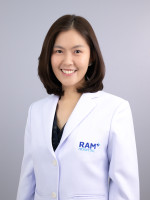
PROFESSOR NARIN HIRANSUTHIKUL, M.D.,PhD.
INTERNAL MEDICINE, SUBSPECIALTY INFECTIOUS DISEASES


E. coli O 104 which causes diarrhea consists of 6 strains. The strain mentioned in the news belongs to a dangerous category. This bacteria is commonly found in raw vegetables, beans, and bean sprouts. Once infected, patients display symptoms similar to food poisoning or diarrhea, such as watery stools, low-grade fever, nausea, and vomiting, most of which resolve on their own.
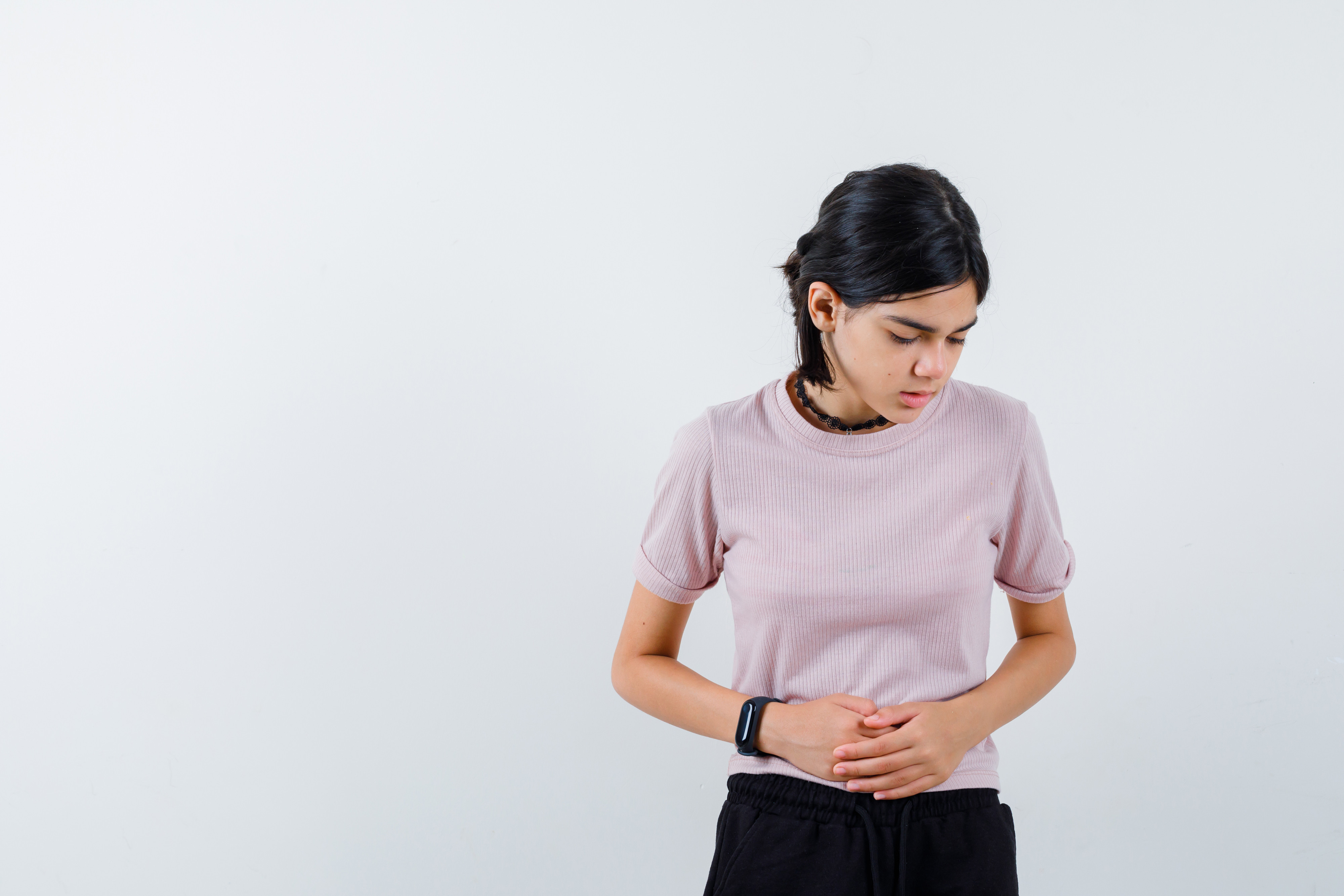
Approximately 10% of patients develop more severe symptoms, such as bloody or mucus-filled stools and anemia, while 3-5% face life-threatening risks including acute kidney failure and red blood cell destruction (hemolysis).
We can distinguish between these 2 conditions through basic observation, such as diarrhea lasting more than 3 days without improvement, non-stop loose bowel movements, or stools containing mucus and blood.
If you meet the two criteria above, you should see a doctor immediately for a detailed physical examination.
Frequently Asked Questions
A: The treatment for patients infected with E. coli O 104 follows the same method as treating general diarrhea or food poisoning. Physicians will treat symptomatic manifestations but will avoid anti-diarrheal medications, as they can cause bacteria to remain trapped inside the body. If antibiotics are necessary, they must be administered under strict medical supervision.
A: The best prevention method is to adhere to the Ministry of Public Health's campaign: “Eat hot food, use serving spoons, and wash hands”. Following these guidelines will help protect you from infection.
Currently, the Ministry of Public Health is collaborating with hospitals to implement preventive and surveillance measures for E. coli O 104 to prevent outbreaks in Thailand. Meanwhile, Ramkhamhaeng Hospital strictly complies with these official guidelines by closely monitoring and thoroughly screening patients. Therefore, we can be confident that E. coli O 104 is unlikely to spread widely. In fact, the disease is not severe if properly treated under medical care.
Emphasize eating freshly cooked food. If you experience symptoms such as diarrhea or watery stools, seek medical advice and a thorough diagnosis immediately.
Prof. Dr. Narin Hiransuthikul
Infectious Disease Consultant, Ramkhamhaeng Hospital
INTERNAL MEDICINE, SUBSPECIALTY INFECTIOUS DISEASES
Specialist in infectious disease Clinical Microbiologist

Infectious Diseases

INFECTIOUS DISEASES