DANAI LIMMATHUROTSAKUL, M.D.
INTERNAL MEDICINE, GASTROENTEROLOGIST



Recently, there have been reports of an outbreak of a parasitic infection in the United States, with a record high of over 3,300 cases in a single state and a tendency to spread to many areas. A major source of this infection often hides in "salad greens" and "fresh vegetables" that we choose to eat for health. Ramkhamhaeng Hospital wants everyone to be aware of Cyclosporiasis to properly care for yourself and your loved ones anywhere in the world.
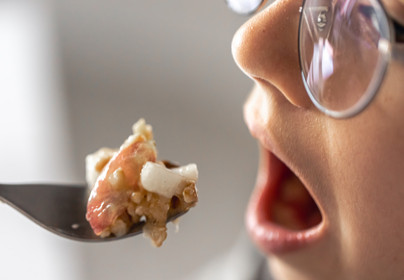
Cyclosporiasis (Cyclosporiasis) is caused by an infection of a parasite named Cyclospora cayetanensis, which is a microscopic single-celled organism that cannot be seen with the naked eye. This parasite enters the body by consuming food or drinking water contaminated with feces containing the parasite, especially fresh fruits and vegetables grown or washed with unclean water. Furthermore, this infection is most commonly found in tropical and subtropical regions, such as Central America, South America, Europe, Asia, and Africa.
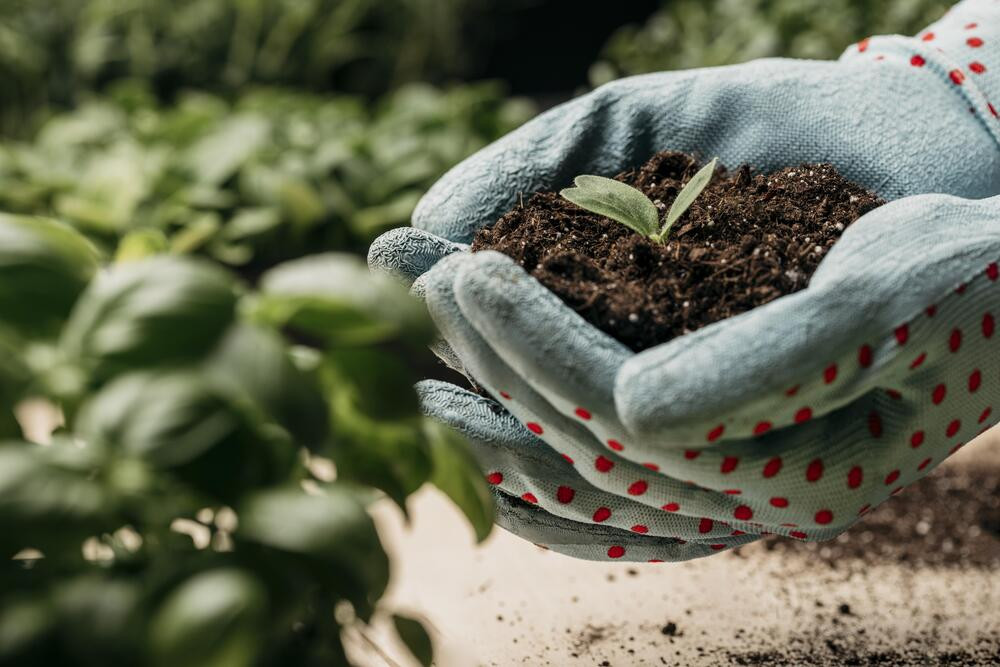
Beyond this, we also run the risk of exposure through activities such as swimming in contaminated water sources (including pools, ponds, and lakes). Using contaminated water or organic fertilizers containing human waste in agricultural processes also leads to 'harvests that carry the parasite.'
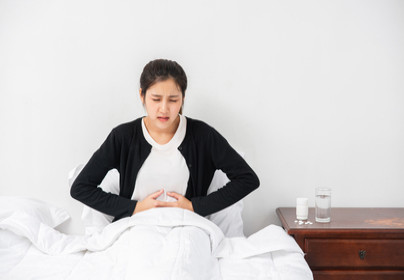
Typically, about 1 week after the parasite enters the body, patients will start to show abnormal gastrointestinal symptoms. Important symptoms you should watch for include:
If left untreated, symptoms can worsen and persist for months, or they may seem to resolve only to recur again (Relapse), leading to dehydration and electrolyte imbalance, which can be dangerous to the body.
Although anyone can contract the infection, those who need to be especially cautious are individuals with compromised immune systems, children, and the elderly, as they are at a higher risk of developing severe symptoms. Additionally, anyone who enjoys eating raw vegetables or berries—such as salad blends, lettuce, basil, cilantro, and raspberries—should take extra care when washing and cleaning them.

Because this parasite is relatively resistant to common chemical disinfectants like chlorine, normal vegetable washing methods may not be sufficient. The hospital recommends the following guidelines for good hygiene:
If you or someone close to you experiences chronic diarrhea lasting longer than 3 days or severe symptoms as mentioned above, you should see a doctor for a thorough examination. This ensures that the physician can select the most appropriate treatment and care, even during critical periods.
INTERNAL MEDICINE, GASTROENTEROLOGIST

Pediatrics Pediatrics Gastroenterology and Hepatology

GASTROENTEROLOGY AND HEPATOLOGY

INTERNAL MEDICINE, GASTROENTEROLOGIST AND HEPATOLOGIST