Messenger

Leadless Pacemaker

December 15 / 2025

leadless pacemaker


     With advancing medical technology, we now have a new "leadless" and "scarless" option: Leadless Pacemaker, which reduces the risks associated with traditional pacemakers and offers you the opportunity to live a free and worry-free life.


Leadless Pacemaker

     Leadless Pacemaker is a small medical device shaped like a battery (approximately 3-4 centimeters in length) that contains all the battery and electronic circuitry. The doctor implants this device into the wall of the right ventricle through a vein in the groin. It monitors the heart's rhythm and delivers an electrical pulse when the heart rate is too slow.


How does it differ from a Traditional Pacemaker?

The most noticeable differences are the "structure" and the "implantation method."
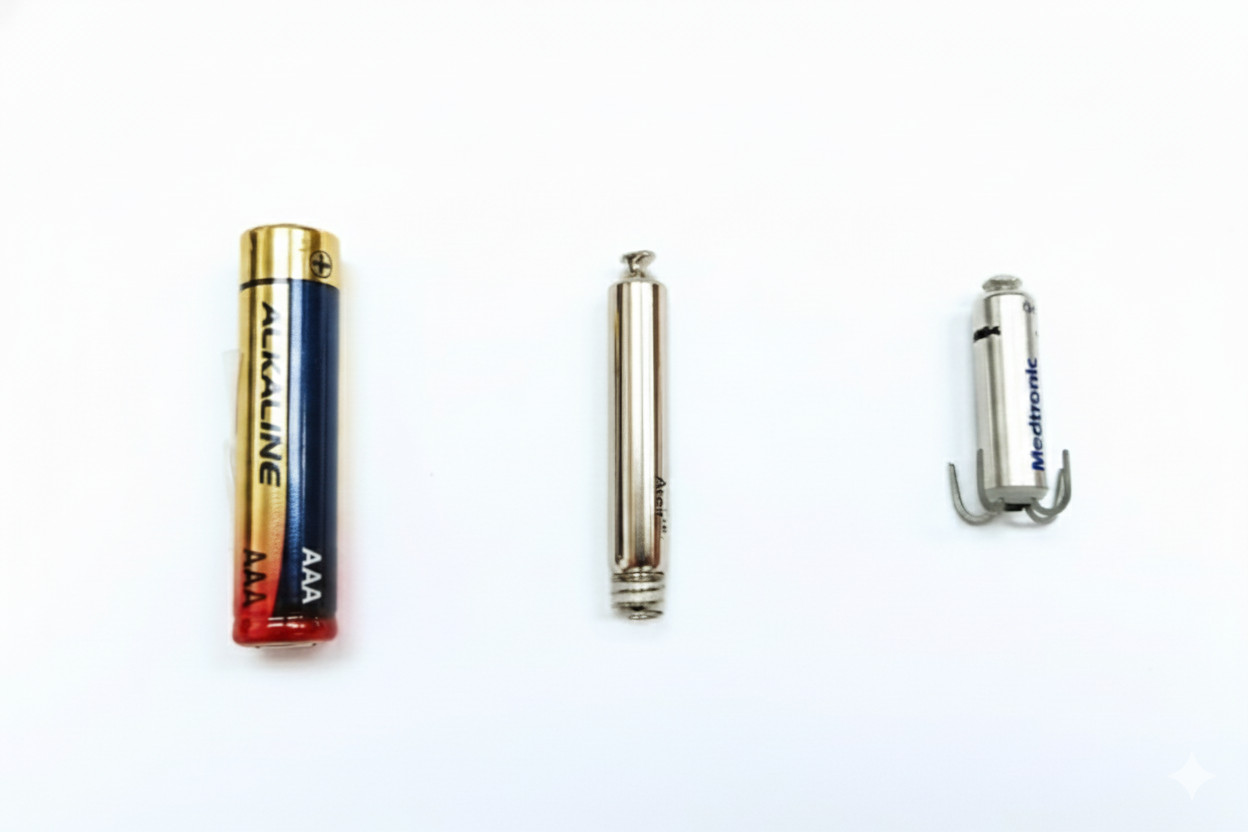


leadless pacemaker


Advantages of the Leadless Pacemaker

  • No chest scar or visible device bulge. Suitable for women or those concerned about appearance.
  • Reduced risk of infection because there is no open surgery to create a "pocket" for the device in the chest, and no lead wires that could be a source of infection. The risk of infection is significantly reduced.
  • Fewer lead-related issues No worries about lead fracture, lead dislodgement, or long-term lead degradation.
  • More freedom in lifestyle Since there are no wires near the shoulder, activities requiring a wide range of arm motion, such as golf, swimming, or yoga, can be performed fully without worrying about the leads shifting or pulling.
  • MRI compatible Most newer models are compatible with Magnetic Resonance Imaging (MRI) scans. However, the patient must consult their doctor to verify the specific device model before the scan.


The Leadless Device is Suitable for Those Who?

  • Are at risk of infection from traditional surgery (e.g., patients with diabetes, dialysis-dependent kidney disease patients).
  • Have blocked veins in the chest, preventing the insertion of leads.
  • Are elderly with very thin skin, risking pressure sores from the traditional device.
  • Require high mobility or are concerned about chest scars.


Additional Recommendations

  • Suitable for certain patient groups. Generally, this device is suitable for patients requiring pacing in only the lower chamber (Single Chamber). Even though there are now models that can synchronize with the upper chamber (AV Synchrony) or dual-chamber models (Dual Chamber), doctors still need to assess suitability on an individual basis.
  • Battery life lasts 10-15 years. When the battery life ends, the doctor can plan to replace it with a new device or adjust treatment without surgically removing the original device.


The leadless pacemaker is an innovation that addresses the weaknesses of older devices, helping patients with a slow heart rate return to a more confident life. However, "the best device is the one that is most suitable for your condition." Therefore, you should consult a cardiologist to assess whether this technology is right for you.