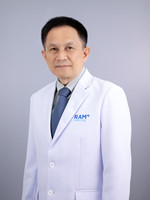
BUNCHA SUNSANEEWITAYAKUL, M.D.
Medicine - Cardiology (Heart)


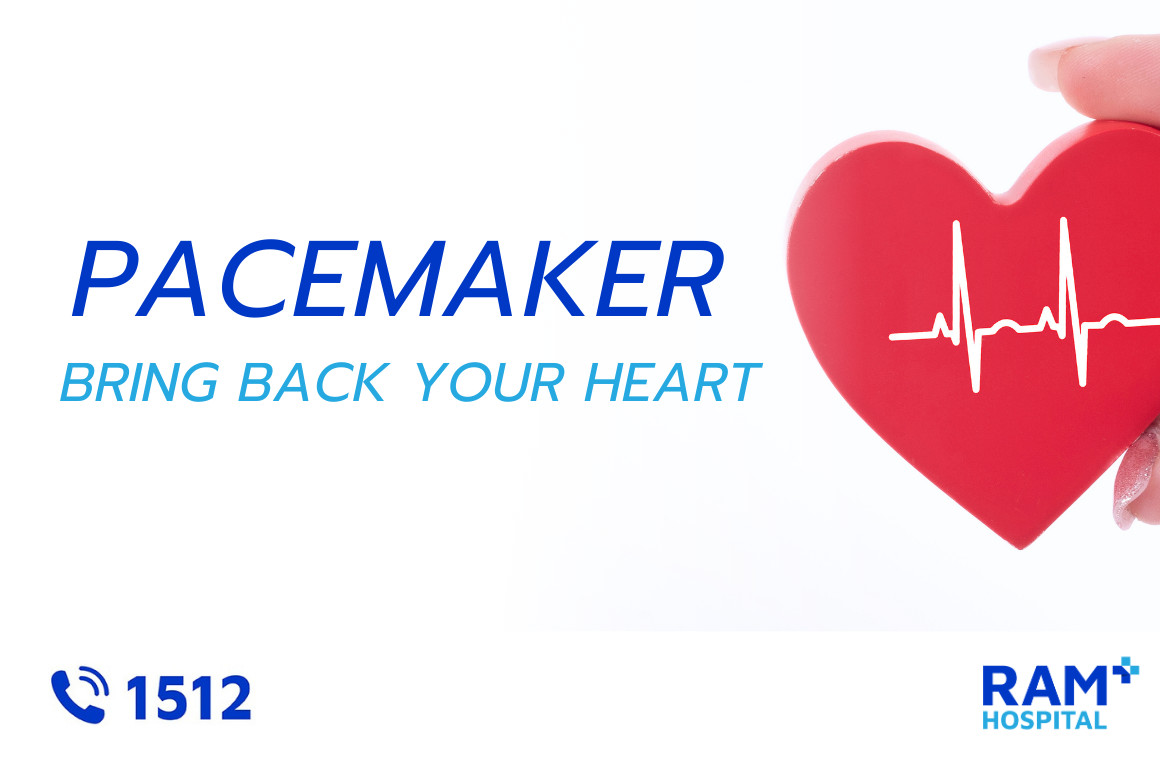
In the world of cardiac medicine, one innovation that consistently helps patients with arrhythmia avoid crises is none other than the "Pacemaker." The Heart Center at Ramkhamhaeng Hospital recognizes the benefit of this technology and has adapted its use to ensure patients receive maximum benefit with minimal risk.
A Pacemaker is a small electronic device implanted by a doctor under the skin near the collarbone, with electrical leads connecting the device to the heart. Doctors consider the patient's symptoms and utilize this device in cases where the patient's heart beats slower than normal or has temporary cardiac arrest.
The device constantly monitors the heart's rhythm. When it detects an abnormally slow heart rate or a momentary stop, the device sends a mild electrical signal through the leads to "stimulate" the heart to resume beating at a preset rate. This helps control and treat bradycardia (abnormally slow heart rate).
The Leadless Pacemaker is very small, about 3 – 4 centimeters long, and weighs only 2-3 grams. A key advantage is that it does not require open-chest surgery, and importantly, there is no implanted box under the skin, thus eliminating the risk of device pocket infection or breakage over long-term use. Doctors implant it on the wall of the right ventricle via a catheter inserted through the femoral vein in the groin.

Arrhythmia symptoms, whether the heart beats too slow or too fast, are warning signs that require timely diagnosis and treatment. Implanting a pacemaker is a highly effective option that helps these patients to:
The Heart Center at Ramkhamhaeng Hospital is ready to provide comprehensive treatment for heart diseases, from diagnosis to complex treatments, under the care of a specialized team of cardiologists and cardiac electrophysiologists, along with modern equipment, to ensure patients receive the best possible care.
Medicine - Cardiology (Heart)
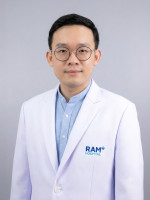
Cardiology, Cardiac Electrophysiology
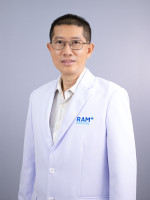
INTERNAL MEDICINE, CARDIOVASCULAR MEDICINE, ELECTRO PHYSIOLOGY
Medicine - Cardiology (Heart)