Messenger

Sudden Cardiac Death (SCD)

December 25 / 2025

sudden cardiac death


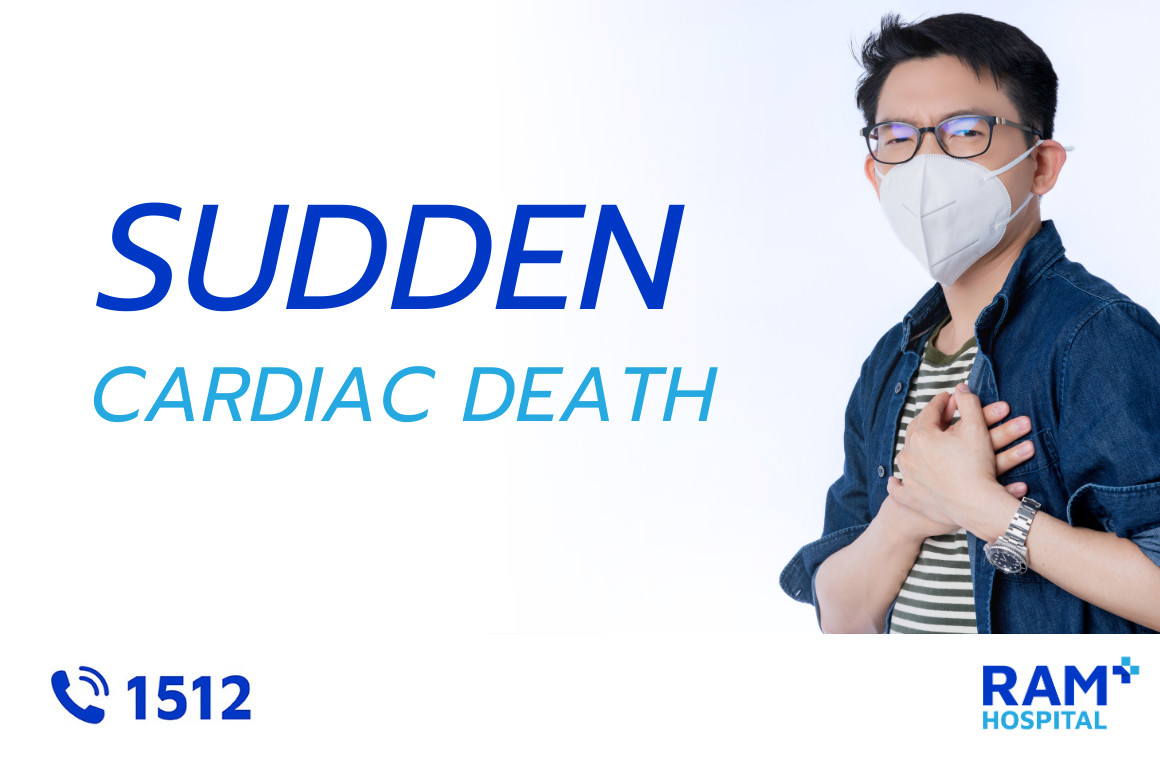
     Have you ever wondered? Why do people who appear healthy—athletes or young adults living normal lives—suddenly collapse and die without prior warning signs? This phenomenon is medically known as Sudden Cardiac Death (SCD) or "Sudden Death from Cardiac Arrest." It's not a distant matter, and the statistics are more alarming than you might think! In Europe and America, nearly 750,000 people die from this condition combined each year.


The doctor would like to take you on a journey to unlock the mystery of this silent killer, delve into the differing causes across various age groups, and introduce you to "Brugada Syndrome" in greater depth.


Why is Sudden Cardiac Death so frightening?

     Its definition is "death that occurs suddenly and unexpectedly due to the cessation of heart function", usually within 1 hour of the onset of symptoms. In cases where no one witnessed the event, making the exact time unknown, it will be classified as SCD even if the patient was previously in good health.


Sudden Cardiac Death VS Sudden Death

     Many people often use these terms interchangeably, but they have 'different' medical meanings. Sudden Death is a broad, overarching term referring to sudden death from any cause; it doesn't always have to be heart-related. However, statistics show that over 80-90% of sudden natural deaths are caused by the "heart."


sudden cardiac death


Age 35: The Dividing Line for Disease Causes

Doctors often use age 35 as a criterion to divide risk groups because the causes of sudden cardiac arrest differ.


  • Adults and Seniors (Over 35 years) Coronary artery disease is often the number one cause, which can result from fat and plaque buildup obstructing the arteries. In some cases, the plaque ruptures, causing a blood clot that leads to acute myocardial infarction (heart attack). For those who have experienced this condition, the heart beats weaker and is at a higher risk of fatal events.
  • Youth (Under 35 years) The causes are often complex and usually involve genetic disorders or congenital abnormalities, such as hypertrophic cardiomyopathy (a common cause of athletes collapsing on the field), myocardial infection, or cardiac electrical system short-circuiting, including Ventricular Fibrillation (VF), Brugada Syndrome, and other diseases.


"Brugada Syndrome": Sleeping unto Death

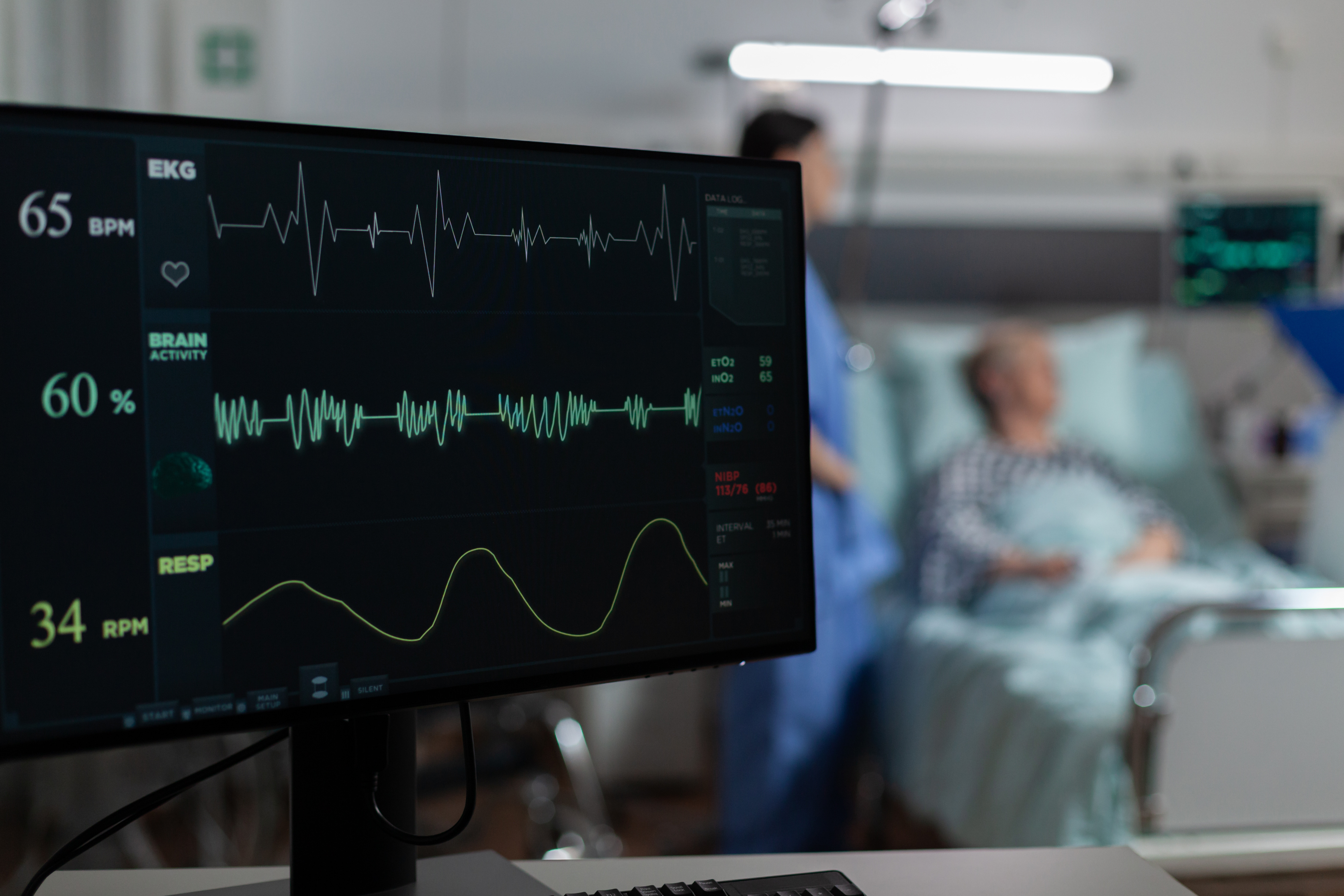
     "Brugada Syndrome" is a type of genetic disorder where the movement of electrical charges into and out of the heart muscle cells is abnormal, leading to an electrical short circuit, severe ventricular arrhythmia, inability to pump blood, and death while asleep. Triggering factors may include high fever, low blood potassium, consumption of high-sugar or high-carbohydrate foods, and heavy alcohol drinking.


sudden cardiac death


"Risk Groups" Who Need Further Examination by a Cardiologist

  • Having a first-degree relative (father, mother, siblings) who died suddenly or while sleeping from an unknown cause before age 50.
  • Having experienced fainting, dizziness, loss of consciousness, or blackouts while resting, exercising, or during extreme shock or excitement.
  • Being an athlete who heavily uses their body at a competitive level.
  • Experiencing chest pain like a heavy object pressing down, or shortness of breath.
  • Gasping or having convulsive movements while asleep.
  • Having pre-existing conditions such as diabetes, high blood pressure, or coronary artery disease.
  • Having a condition of weakened heart muscle.


Early Awareness and Risk Reduction are the Best Prevention

  • Cardiac Screening Electrocardiogram (ECG/EKG), cardiac ultrasound (Echocardiogram), and Exercise Stress Test (EST). 
  • Genetic Testing Testing to find latent risk genes to plan treatment in advance.
  • Avoid Triggering Factors Such as cigarettes, alcohol, stress, and illicit drugs.


sudden cardiac deathsudden cardiac death


The Golden Hour: Bystander CPR is the Only Hope

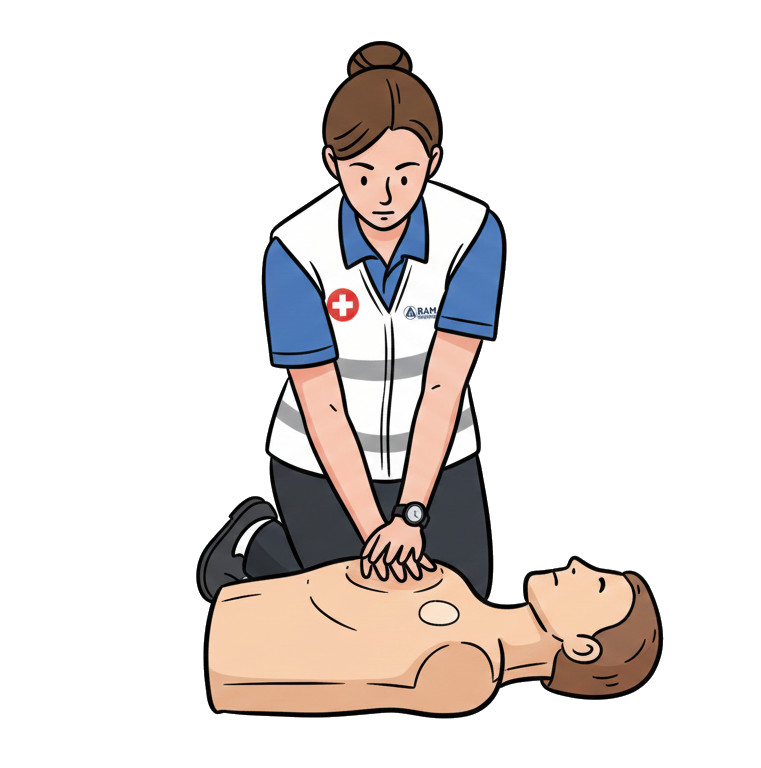
If you encounter someone who is unconscious, not breathing, and their heart has stopped... you have less than 4-5 minutes before their brain dies. Waiting for an ambulance might be too late. ‘Check - Call - Compress - Defibrillate’ is the principle.


  • Check: Tap their shoulder and call out loudly, "Are you okay!?" Check if they are breathing, and feel if there is a pulse.
  • Call: Immediately shout for help or call emergency services yourself at 1669 (Thai Emergency Number) and report, "Someone is unconscious and not breathing."
  • Compress (CPR): Place the heel of your hand in the center of the chest (between the nipples). Press deep (about 5-6 cm) and fast (100-120 times per minute). Do not stop unless necessary. Continue compressions until exhausted, then ask for someone else to take over until medical personnel arrive.
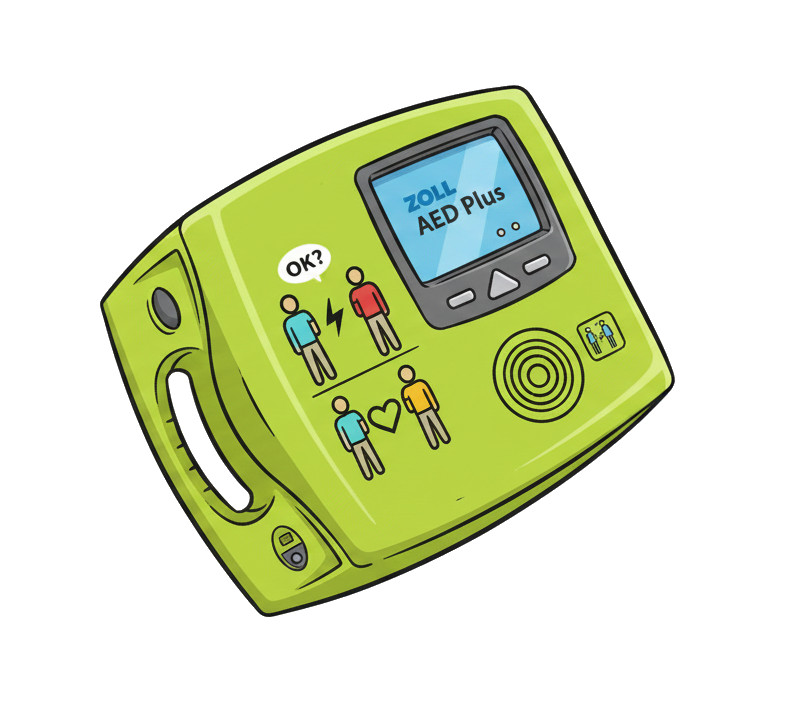
  • Defibrillate (AED): If there is an Automated External Defibrillator (AED) nearby, quickly retrieve it, attach the pads, and follow the voice instructions immediately. This device is very effective at "resetting" the heart's electrical system, especially in cases of Brugada Syndrome!


Death has no warning... but we can reduce the risk.

     Sudden Cardiac Death is like a "life thief" that sneaks in silently when we are unprepared. It takes our loved ones without even a chance to say goodbye. Do not ignore minor fainting spells. Do not overlook a family history of sudden death. And do not think that youth is an immortal shield. A single heart health check-up could change your destiny.


Today... try turning to the person next to you or checking yourself: is your heart truly "OK"? Because early knowledge is an invaluable chance for survival.