Knowing how to behave both before and after surgery helps reduce potentially life-threatening complications and aids faster recovery. If you need to prepare yourself before and after surgery, what should you know?
Pre-Surgery Instructions
- Refrain from eating and drinking all types of food and beverages for at least 6 hours before surgery to prevent aspiration of food into the trachea and lungs during anesthesia.
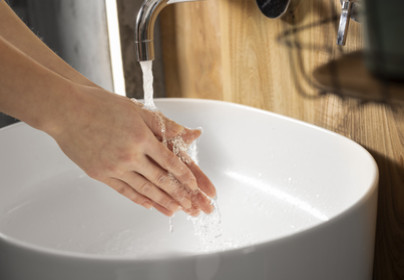
- Shallow bathe, wash your hair, and clean your face thoroughly. Avoid using creams and all types of cosmetics. Cut your fingernails and toenails short, and remove nail polish so doctors and nurses can observe any abnormal signs caused by hypoxia during and after surgery.
- Remove all valuables and jewelry, such as rings, hair clips, necklaces, bracelets, earrings, glasses, contact lenses, and removable dentures to prevent dentures from dislodging into the airway during surgery.
- Urinate and defecate before entering the operating room.
- Do not shave the surgical site by yourself.
- It is recommended to stop smoking at least 30 days before surgery.


Instructions After Returning from the Operating Room
- After surgery, the patient will be monitored in the recovery room for about 2 hours under close nursing care to ensure safety while recovering from anesthesia before being transferred to the patient room.
- Post-surgery, nurses will manage pain by assessing the patient's pain level to administer pain medication as prescribed by the doctor.
- Some patients may have a Patient-Controlled Analgesia (PCA) device. Patients can press a button to self-administer pain relief when needed under the supervision and medical plan of the doctor, effectively reducing post-operative pain.
- There may be drainage tubes around the surgical wound to drain blood and fluid. Patients must not remove these tubes themselves, and if pain occurs, inform the nurse for pain medication.
- Body movement and sitting up: Patients should change sleeping positions, turn side-to-side every 2 hours, sit up, and begin gentle physical exercises as soon as their condition improves.
- If allowed to eat, start with small amounts of food first and observe for bloating or discomfort. Normal eating can resume the next day. Once recovering at home, nourish your body with healthy foods, especially meat, eggs, milk, vegetables, and fruits, to help wounds heal faster.
- Take all prescribed medications according to the doctor's plan.
- Maintain regular bowel habits to prevent constipation.
- Get sufficient rest, especially during the first 1-2 weeks after surgery.
Correct Deep Breathing Techniques
Taking deep breaths correctly allows the lungs to fully expand, which can reduce the need for pain medication, and should be performed as soon as you regain consciousness.
1. Take deep breaths 5 times every 1 hour
- Lie down with your head elevated or sit up, slightly bending your knees (except in spinal block cases).
- Place both hands or a pillow over the surgical wound to reduce pain when breathing.
- Inhale deeply and slowly through your nose, holding your breath for about 3 seconds (count 1-2-3 silently).
- Pucker your lips as if whistling, and slowly exhale a long breath.
2. Effective Coughing to Clear Phlegm
- Take deep breaths 4 times (using the method described above).
- On the 4th time, inhale deeply and hold for about 3 seconds (count 1-2-3 silently).
- Press both hands against the wound before coughing.
- Cough deeply from the throat 1-2 times to expel retained phlegm.

Post-Operative Wound Care Instructions
- Do not remove the dressing until your scheduled doctor's appointment.
- If the bandage comes off, it is recommended to get it changed before the appointment date at a hospital or clinic near your home.
- For non-waterproof dressings, keep the wound clean and avoid contact with water.
- For waterproof dressings, do not pour water directly on the wound or scrub it while showering, as it may peel off. Pat the dressing dry with a towel without rubbing hard after showering.
- Avoid heavy exercise that causes excessive sweating, as it may cause itching or loosen the bandage.
- Complete the full course of prescribed antibiotics.
- Follow up on all scheduled medical appointments, or return to see the doctor immediately if abnormal symptoms occur, such as discharge, fluid or pus leaking from the wound, fever, or redness, swelling, heat, and pain around the surgical site.
- Strictly follow all other specific medical instructions.
Proper pre-operative and post-operative self-care helps reduce life-threatening complications and promotes a faster recovery for patients.