DANAI LIMMATHUROTSAKUL, M.D.
INTERNAL MEDICINE, GASTROENTEROLOGIST



In Thai culinary culture, especially in the Northeast and North regions, raw freshwater fish dishes are considered a long-standing delicacy. However, beneath that deliciousness lies a serious, silent threat known as "Liver Flukes." This infection acts as a starting point leading to chronic inflammation in the bile duct system and can develop into Cholangiocarcinoma (Bile Duct Cancer), which causes a significant number of deaths among Thai people each year.
Liver Fluke Disease (Liver Flukes) in Thailand is mostly caused by the parasite species Opisthorchis viverrini. This parasite is flat and leaf-like in shape, with narrow and rounded ends, measuring about 5-10 mm. The adult flukes live in thebile ducts inside the human liver, as well as in reservoir hosts like dogs and cats. Once the parasites mate, they lay a vast number of eggs, which mix with the bile into the intestines and are excreted with feces.
If defecation occurs outside of a proper toilet and the eggs drop into water sources, their life cycle begins anew through freshwater snails and fish.
The terrifying aspect of this disease is that in the early stages, it is usually asymptomatic, leaving patients unaware of their infection. However, as the parasite load increases or if left untreated for a long time, the prominent symptoms will begin to appear as follows:

When the parasites cause chronic irritation and inflammation, patients will experience loss of appetite, weight loss, fatigue, low-grade fever, and begin to show signs of jaundice, namely yellow skin and yellow eyes due to the obstruction of the bile ducts.
If it progresses to bile duct cancer, symptoms such as hepatomegaly (enlarged liver), ascites (fluid retention in the abdomen), and permanent liver damage will occur, ultimately leading to death.
The primary cause is the dietary habit of eating raw or undercooked scaled freshwater fish from the Cyprinidae family, such as Siamese mud carp, Barb fish, and Hampala barb. High-risk dishes include:
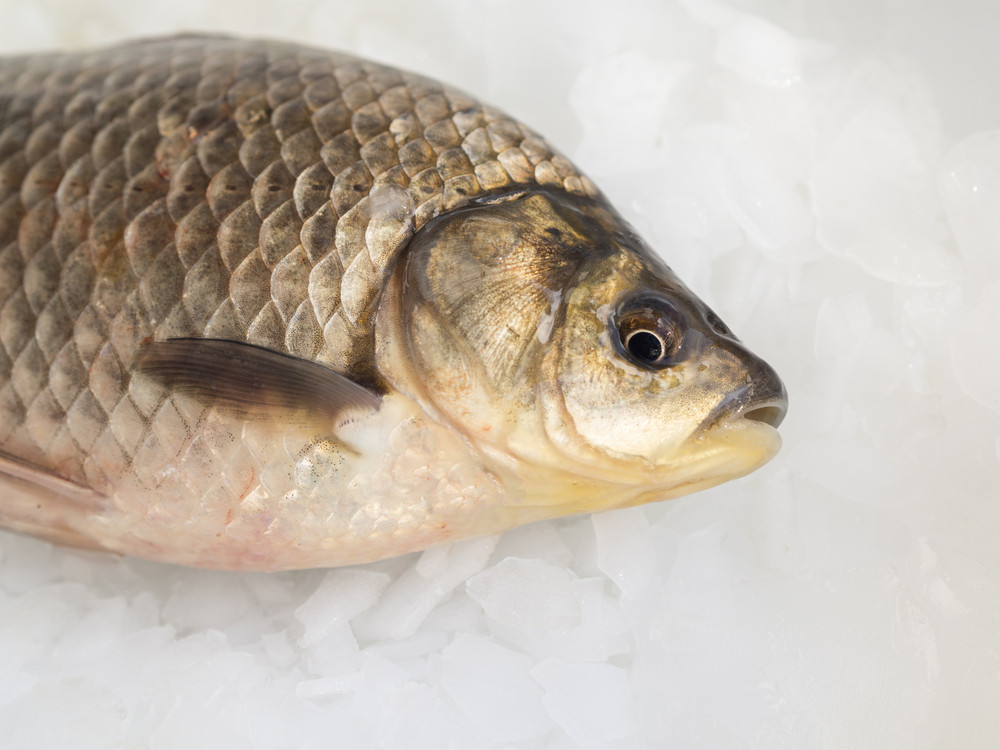
In addition, sanitation factors, such as defecating into water sources or outside of proper restrooms, are major causes of spreading parasite eggs into the environment.
The liver fluke situation in Thailand remains severe, with noteworthy statistics as follows:
Current treatment involves the medication Praziquantel, which yields excellent results. However, taking medication alone cannot provide a sustainable solution if raw fish consumption habits persist. The best prevention follows the 5 principles (in Thai called "5 S", translated here for medical practices):
INTERNAL MEDICINE, GASTROENTEROLOGIST

GASTROENTEROLOGY AND HEPATOLOGY

Gastroenterology and Hepotology

INTERNAL MEDICINE, GASTROENTEROLOGIST AND HEPATOLOGIST