
นพ. PEERAWAT LEEPRADITVAN, M.D.
PEDIATRIC CARDIOLOGY



People with hypertension have a 60 - 75 percent chance of dying from a heart attack. This is because most people with high blood pressure are unaware they have it, as it rarely exhibits symptoms. By the time symptoms or complications manifest before they seek medical attention and treatment, the outcome may not be as effective as it could have been.
Consistently controlling blood pressure within the normal range can significantly reduce the risk of paresis, paralysis, or myocardial infarction (ischemic heart disease).
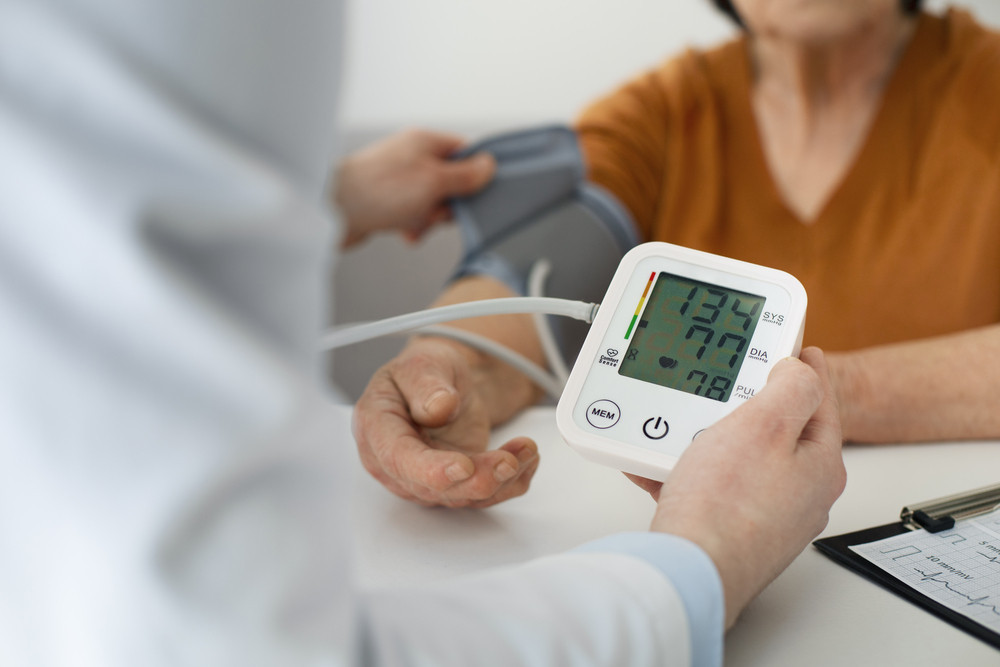
Patients with Hypertension may experience no symptoms at all, or they may present with headaches, lightheadedness, dizziness, chest tightness, insomnia, or unusual fatigue.
High blood pressure can lead to complications through two primary mechanisms:
An Electrocardiogram or “EKG” measures the electrical activity of the heart muscle using small electrodes placed on specific points electrocardiogram,of the body. It records the data as a graph on paper, which is a simple, convenient, and painless procedure. This test can detect cardiomegaly (enlarged heart) caused by hypertension, or identify coronary artery blockages that occur as a complication. However, if no abnormalities are detected, further testing such as an exercise stress test may be required.
This method directs high-frequency sound waves into the heart structure. As the waves bounce off different parts of the heart, they bounce back to the machine, generating an image that reveals whether the heart's movement and contraction are normal. It evaluates blood velocity and pressure within the cardiac chambers, determines if there is myocardial thickening or cardiomegaly due to hypertension, and inspects for congenital heart defects, valve function, and other cardiac conditions. This helps physicians determine whether medication or surgical intervention is required. The results can be viewed on a monitor and saved as images for future review; this procedure is also known as an “Echocardiogram”
Also known as an EST (Exercise Stress Test), this procedure evaluates cardiac function while the patient walks on a treadmill or pedals a stationary bicycle. It tests the heart's performance under physical exertion to determine if the oxygen and blood supply reaching the heart muscle are adequate.
Note: If a patient already suffers from coronary artery disease, an EKG during an exercise stress test will clearly capture images of myocardial ischemia and indicate the severity of the condition, helping determine if a Cardiac Catheterization (Angiogram) is necessary.
This screening primarily utilizes an ABI (Ankle-Brachial Index) machine, which measures vascular abnormalities by comparing blood pressure at the ankles to blood pressure in the arm on the same side. This method helps assess the risk of coronary artery disease, paresis, and paralysis caused by a Cerebrovascular Disease (Stroke).
This scan evaluates the pathology of coronary arteries non-invasively, eliminating the need to insert a catheter through an artery to diagnose coronary artery disease. It can detect the accumulation of calcium or plaque along the coronary artery walls, evaluate myocardial function, and assess the anatomical structures of the heart and pericardium. The captured data is processed by a highly powerful computer system to provide clear and accurate images. The scan takes only 15 – 30 minutes, allowing patients to return home immediately after completion.
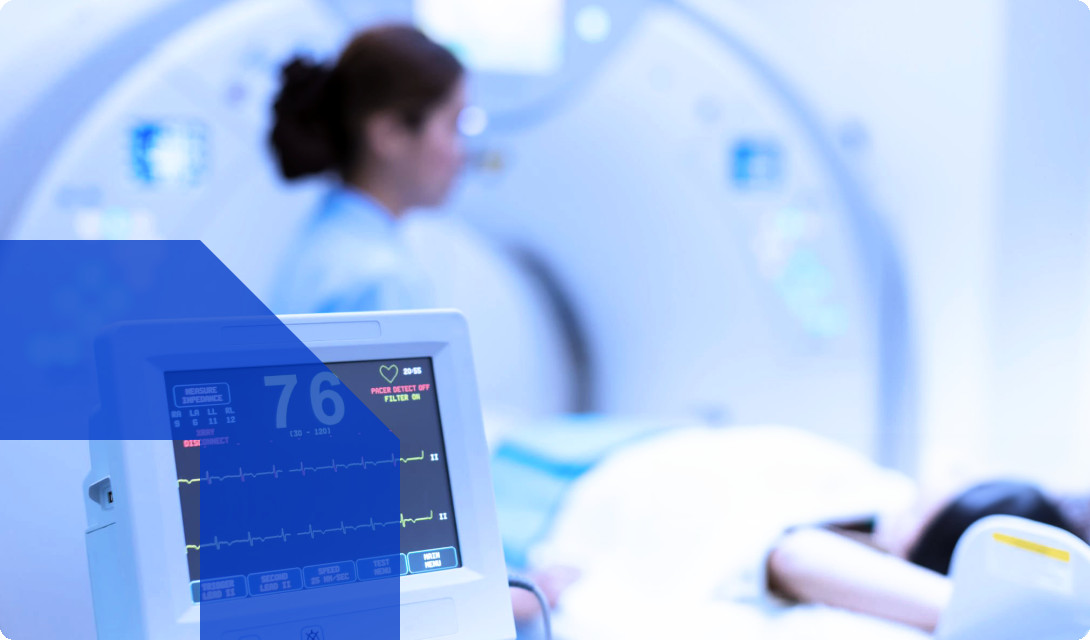
This is the latest medical technology used to examine and display cross-sectional images of various organs that match actual tissues very closely. It offers high sensitivity and specificity in diagnosing diseases, ensuring excellent diagnostic accuracy. By transmitting radiofrequency waves to a patient inside a magnetic field tunnel, it determines the heart's contractile capability down to the Heart Valve Structure level and can also be used to evaluate whether coronary arteries are blocked.

Blood pressure should always be maintained within the normal range to significantly reduce the risk of paresis, paralysis, or myocardial infarction (ischemic heart disease).
PEDIATRIC CARDIOLOGY

Pediatric Cardiology

General Cardiologist


