Messenger

Safe Travel During Pregnancy: When and How Far?

October 06 / 2026

Safe Travel During Pregnancy


     Pregnancy is one of the most beautiful and dreamlike periods in a woman's life. Traveling, relaxing, and relieving stress are wonderfully beneficial for both the mother and the baby in the womb. However, thorough preparation and consulting a specialist before traveling are essential keys to ensuring that both the mother and her loved ones can enjoy a worry-free trip.


Safe Travel During Pregnancy


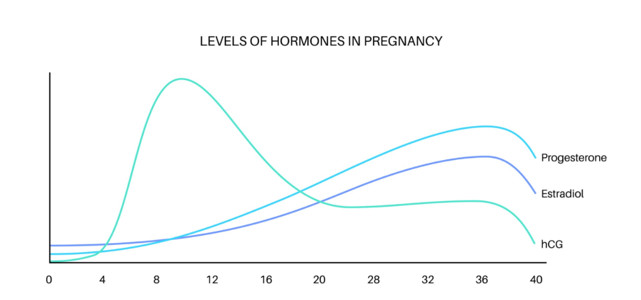
Surging levels of hCG, or the pregnancy hormone, trigger nausea and vomiting, especially during 8-14 weeks of gestation. Reference source: https://w1.med.cmu.ac.th/obgyn/lecturestopics/medical-student-5/3657/ 


1. The Best Time for Pregnant Women to Travel

  • 1st Trimester (1–12 Weeks): Extra caution is required. The body is adjusting, morning sickness and fatigue occur, and there is a naturally high risk of miscarriage.
  • 2nd Trimester (13–27 Weeks): The Golden Period. The safest and best time to travel. Morning sickness subsides, energy levels increase, and the risk of complications is at its lowest.
  • 3rd Trimester (28 Weeks and Above): Beware of fatigue. The abdomen grows larger, causing discomfort and reduced mobility. Long-distance travel should be avoided.


Safe Travel Guidelines

Traveling by Air

  • General Criteria: It is safe to travel up to 36 weeks of pregnancy (for uncomplicated single pregnancies).
  • Airline Requirements: After 28 weeks, a medical certificate (Fit to Fly) is required, and flying is generally not permitted after 36 weeks (or 32 weeks for twin pregnancies).
  • High-Risk Groups Who Should Avoid Flying: Mothers with a history of vaginal bleeding, miscarriage, severe anemia, preeclampsia, uncontrolled high blood pressure/diabetes, or multiple pregnancies.


In-Flight Guidelines

  • Fasten the seatbelt below the abdomen (across the pelvic region) at all times.
  • Drink clean water regularly and avoid gas-producing foods such as carbonated drinks and broccoli.
  • Prevent Deep Vein Thrombosis (DVT): For flights over 4 hours, stand up to walk or flex ankles every 30–60 minutes, wear comfortable clothing, and wear compression stockings to prevent blood clots in the legs.


Traveling by Car

  • Fasten the seatbelt with the lap strap positioned below the abdomen (never across the abdomen directly).
  • Stop periodically to stretch and stimulate blood circulation.
  • Avoid traveling long distances alone; always have a companion along to assist.


Traveling by Boat

  • Ferries/Speedboats: Check the boat company's restrictions before travel (travel is often restricted after 28–32 weeks of pregnancy).
  • Cruise Ships: Choose a ship equipped with a medical facility ready to care for pregnant women and docking near standard healthcare facilities.


Additional Recommendations

  • Food and Water: Drink only sealed bottled water and consume freshly cooked, clean food to prevent diarrhea and food poisoning.
  • High-Risk Areas: Avoid areas with outbreaks of Zika virus, which is dangerous to fetal brain development.
  • Medication and Vaccines: 
    • Consult a physician to assess necessity and potential risks associated with the destination.
    • Avoid live vaccines; inactivated vaccines or toxoids required for specific diseases may be administered as necessary.
  • Documents and Insurance: Always carry a copy of your prenatal care records and choose travel insurance that covers pregnancy-related treatment and premature delivery.


Pre-Travel Readiness Health Check

  • Health Assessment & Medical Certificate: Providing health readiness evaluations and issuing Fit to Fly / Fit to Travel medical certificates by specialized physicians.
  • COVID-19 Screening Service (Includes Fit to Fly Certificate):
    • RT-PCR Testing (5,000 Baht): Results available within 4–6 hours (for samples collected before 3:00 PM).
    • Fit to Fly Express Testing (6,000 Baht): Express screening system with fast results within 1 hour (for samples collected before 6:00 PM).