
ATTHAPON EIAMUDOMKAN, M.D.
Pediatrics Family Medicine Pediatric Pulmonology


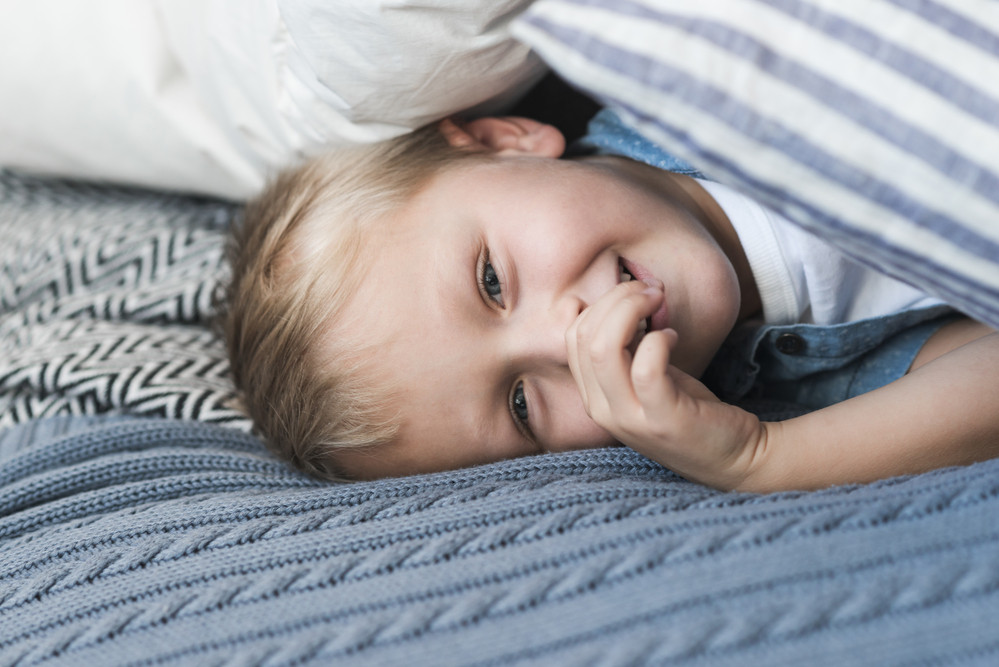
"My child snores loudly" is something many families might consider normal or even a sign of "deep sleep." However, in medical terms, snoring in children can be a warning sign of Obstructive Sleep Apnea (OSA), which, if left untreated, can have an unexpected direct impact on a child's intelligence, development, and learning abilities.
OSA occurs when the upper airway becomes narrowed or completely blocked during sleep, making it difficult or impossible for air to pass through. This results in decreased blood oxygen levels, forcing the brain to constantly "alert" the body to wake up and restart breathing throughout the night.
Even if the child doesn't physically sit up, their brain is not getting full rest. The consequence isn't just fatigue, but "Brain fog from a lack of quality rest."
You might wonder how sleep relates to learning. The answer lies in how the brain functions during deep sleep.

Parents can look for these preliminary symptoms:
If you notice your child has these symptoms, I recommend a check-up to measure the severity and evaluate the body's condition during sleep in detail.
In children, the most common cause is Enlarged Tonsils and Adenoids. Treatment through a minor surgery (Adenotonsillectomy) often provides excellent results, allowing the child to breathe freely, sleep deeply, and most importantly, let their "brain return to full efficiency" once again.
Quality sleep is the essential foundation of human potential, especially in childhood when the brain is developing rapidly. Don't let snoring hinder your child's future and learning. If you suspect your child has sleep issues, consult a pediatrician for a better quality of life.
Pediatrics Family Medicine Pediatric Pulmonology

Pediatrics, Pediatric Pulmonology

Child and Adolescent Psychiatry

Developmental and Behavioral pediatrics


