BANTHITA PHONGTUNTAKUL, M.D.
CARDIOLOGIST


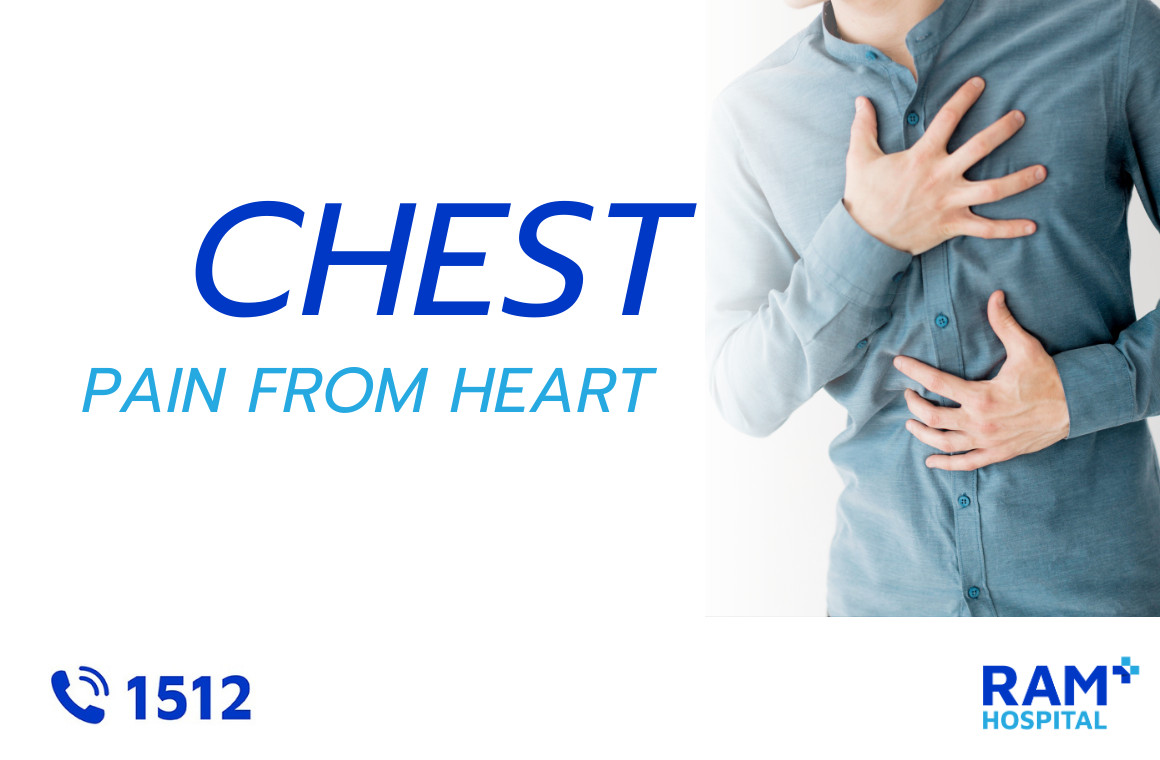
“Chest Pain” — a sensation like something heavy is pressing on your chest — is one of the ways your body communicates with you. While we might sometimes think it is temporary due to accumulated stress or lack of rest, in the medical world, this symptom is like a “secret signal” warning that your body may be reaching its limit.
Many people are confused about whether their chest tightness is caused by Coronary Artery Disease orGastroesophageal Reflux Disease (GERD). However, heart-related sensations usually have unique characteristics. Patients often describe it as a tight, uncomfortable feeling, as if a heavy object has dropped onto or is squeezing the center of the chest. The pain may radiate to the jaw, shoulders, and left arm. Symptoms may worsen during physical exertion or high-stress situations. On the other hand, digestive system symptoms are often related to the esophagus or muscle inflammation.
Chest pain related to the respiratory system or muscle inflammation is often tied to the rhythm of breathing in and out or changes in posture. Observing and remembering the characteristics of these symptoms is the key to helping a doctor provide an accurate diagnosis.

If you or your loved ones experience chest tightness along with the following symptoms, do not delay seeking an examination, as these may be signs of a heart attack:
Ramkhamhaeng Hospital is ready to provide thorough heart disease risk screenings, ranging from Electrocardiogram (EKG) to Exercise Stress Tests. Detecting abnormalities early not only saves lives but also helps you return to a long and healthy life.
We believe that "prevention" is the magic medicine that keeps the heart beating. Our doctors want to clear the fog of doubt and turn it back into bright hope, because a beating heart means a life that keeps moving forward.
CARDIOLOGIST

CARDIOLOGY

Exercise Physiology.

Cardiology, Cardiac Electrophysiology