
YODPORN HIRANRAS, M.D.
Pediatrics Pediatric Endocrinology and Metabolism



Believe it or not... in just one more year, the little one who once cried following mom to the Well-Baby Clinic will be turning 15 and saying goodbye to the "Pediatrician" to step fully into the world of adolescence at 16. Age 14 is therefore the penultimate year for parents and doctors to work together to build the most important "life immunity" for them, especially during the season of love when the ‘Hormonal Storm’ of youth is surging.
I want to 'buy time' for parents to hold their children with understanding, before they let go of your hand to walk into a world full of stimuli.
Why is age 14 a period of intense hormonal and emotional surges? This can be explained through natural mechanisms as follows:
1. The Teen Brain: When the “Brake” cannot fight the “Accelerator”
At 14, a child's brain is undergoing a major renovation. Specifically, the parts of the brain responsible for emotions, fear, and intense responses develop first. Meanwhile, the Prefrontal Cortex (analytical thinking, planning, and self-restraint), which acts as the “brake,” is the last part to finish developing—usually after the age of 20.
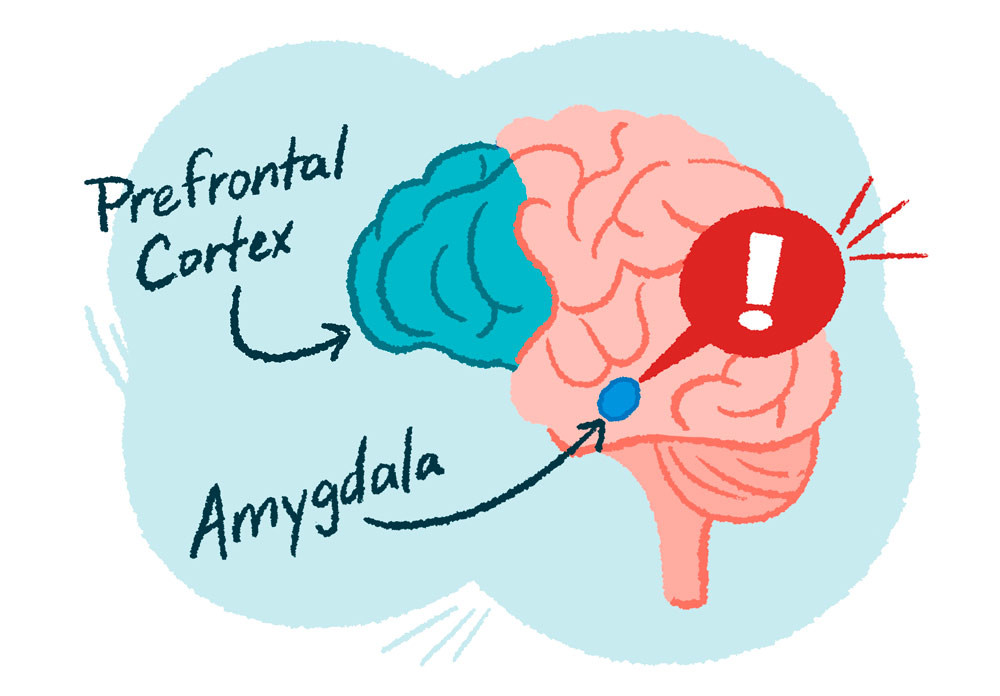
The adolescent brain therefore works by focusing more on emotions and immediate responses than reason, resulting in them often:
Age 14 is the peak period for the HPG Axis, which is the coordination between the hypothalamus, pituitary gland, and gonads to secrete massive amounts of sex hormones. These hormones not only change a child's physical appearance but also directly affect their sexual feelings and desire to explore their new world.
Curiosity and experimentation at 14 are often related to Dopamine in the brain, which is the neurotransmitter of pleasure and satisfaction. In adolescents, the brain responds intensely to dopamine when receiving new experiences or excitement. This makes seeking new feelings, experiencing first love, or being open to new things on Valentine's Day extremely fragile and challenging for them.
The most concerning thing today isn't just unplanned pregnancy, but the “Silent Threat” of sexually transmitted infections (STIs). Data indicates that nearly half of all new STI infections each year are among youth aged 15-24.
A child's curiosity is not a "personality flaw" but an evolution according to their age. Using "Iron Rules" to ban things often ends in lying, but using "Understanding" will be the bridge that makes them dare to come back and consult us when they encounter problems.

This Valentine's season, the doctor wants parents to try observing these behaviors:
Love is a beautiful thing; our children are starting to want to know the word 'love'. However, that love can destroy our child if that love is ‘too much’.
We cannot follow our children everywhere, but we can give them "protection" on the days when our care seems to reach... not far enough.
Before the child steps out of the pediatrician's fence... let this 14th Valentine's be the year we "Open our hearts" to talk with our child as much as possible. Although secrets may disappear with time, love with understanding will protect our child forever. If possible, start telling them from childhood through adolescence that we are ready to be the 'home' they can always return to. No matter what they encounter, we will be by their side forever.
Pediatrics Pediatric Endocrinology and Metabolism

Pediatric Dentistry

Pediatric Pediatric Dermatology

Pediatrics, Family Medicine, Pediatric Allergy and Immunology


