WORALUG PANUMATRASSAMEE, M.D.
Pediatric Pediatric Dermatology


Many families are startled awake by a child’s crying, only to find red, itchy, and swollen patches across their limbs or body. Parents often immediately suspect "Urticaria", as it is common in children. However, many mistake the symptoms for the underlying cause, which can lead to improper care and treatment.
But if we understand the origins and know how to handle them correctly, those anxieties will fade away.
Urticaria (Hives) is a condition that causes hives, triggered by various factors. It is categorized into 2 types:
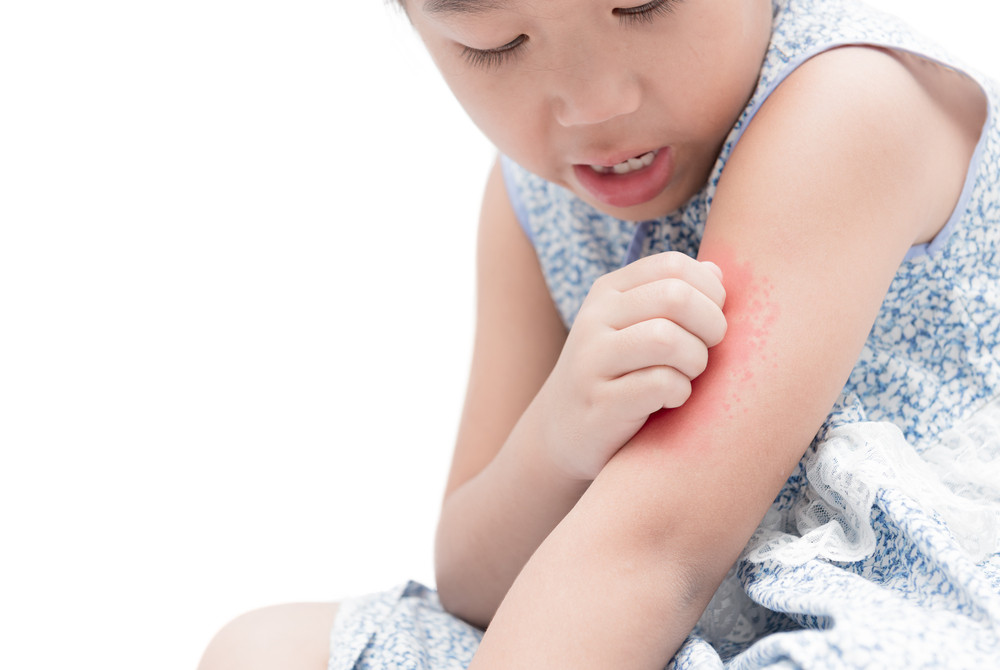
These two terms have overlapping meanings but are not the same.
Many cases of hives in Thai children are not always caused by food allergies, but may stem from "physical factors" such as friction-induced hives or Cold Urticaria (Hives from cold) when taking a cold bath or staying in an air-conditioned room. Therefore, you should not quickly apply ice to the hives because if the child has cold urticaria, the rash will flare up even more. If we do not find the true cause, treatment may only be addressing the symptoms.
While taking antihistamines can help relieve initial symptoms, the key to treatment is "reading the lesions." A pediatric dermatologist will carefully observe the red patches to distinguish them from more severe conditions that look similar, such as Vasculitis (inflammation of the blood vessels), where the rash may resemble hives but does not disappear on its own or may have a purplish tint. This requires specialized experience for diagnosis.

Parents should prevent their children from scratching the skin, as it could lead to secondary infections. Use fragrance-free body lotions and dermo-cosmetics that strengthen the skin barrier (Ceramide) to reduce skin sensitivity.
Ramkhamhaeng Hospital prioritizes holistic care. If a diagnosis finds that the hives are related to a complex immune system or pose a risk of severe allergic reaction (Anaphylaxis), we will work in coordination with Pediatric Allergists and Pediatric Infectious Disease Specialists to investigate down to the cellular level and specific allergens, ensuring parents are confident that their child is protected both externally and internally.
Providing care from the very first minute the disease occurs brings peace of mind to all of us as parents. Seeing a child recover and smile happily is the highest aspiration for me as a doctor as well.
Kanokvalai Kulthanan. (2009). Urticaria. Bangkok: Moh-Chao-Ban Publishing.
Penpun Wattanakrai. (n.d.). Urticaria. Retrieved February 2, 2026, from
https://www.rama.mahidol.ac.th/med/sites/default/files/public/pdf/medicinebook1/URTICARIA.pdf
Pediatric Pediatric Dermatology

Pediatrics

PEDIATRIC CARDIOLOGY
PEDIATRIC DENTISTRY