BUNCHA SUNSANEEWITAYAKUL, M.D.
Medicine - Cardiology (Heart)


The saying "An irregular heartbeat may bring a stroke to your doorstep" is a vital concern for patients with Atrial Fibrillation (AF). When the heart flutters rapidly like a drum roll, blood flow becomes sluggish, leading to blood clots that can travel to the brain and cause a stroke. Today, the medical world has a new "doorman" to protect your life: LAA Occluder.
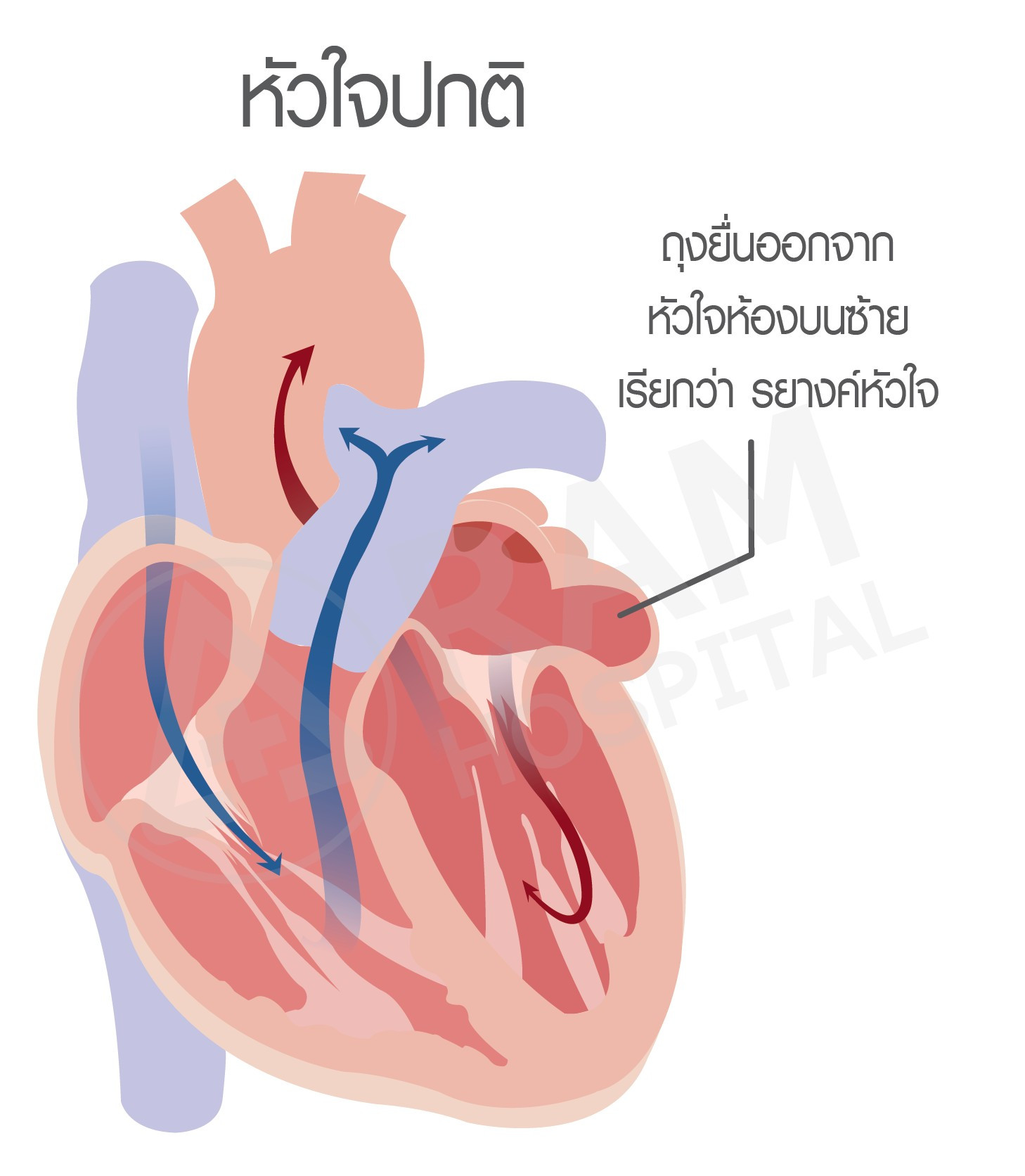
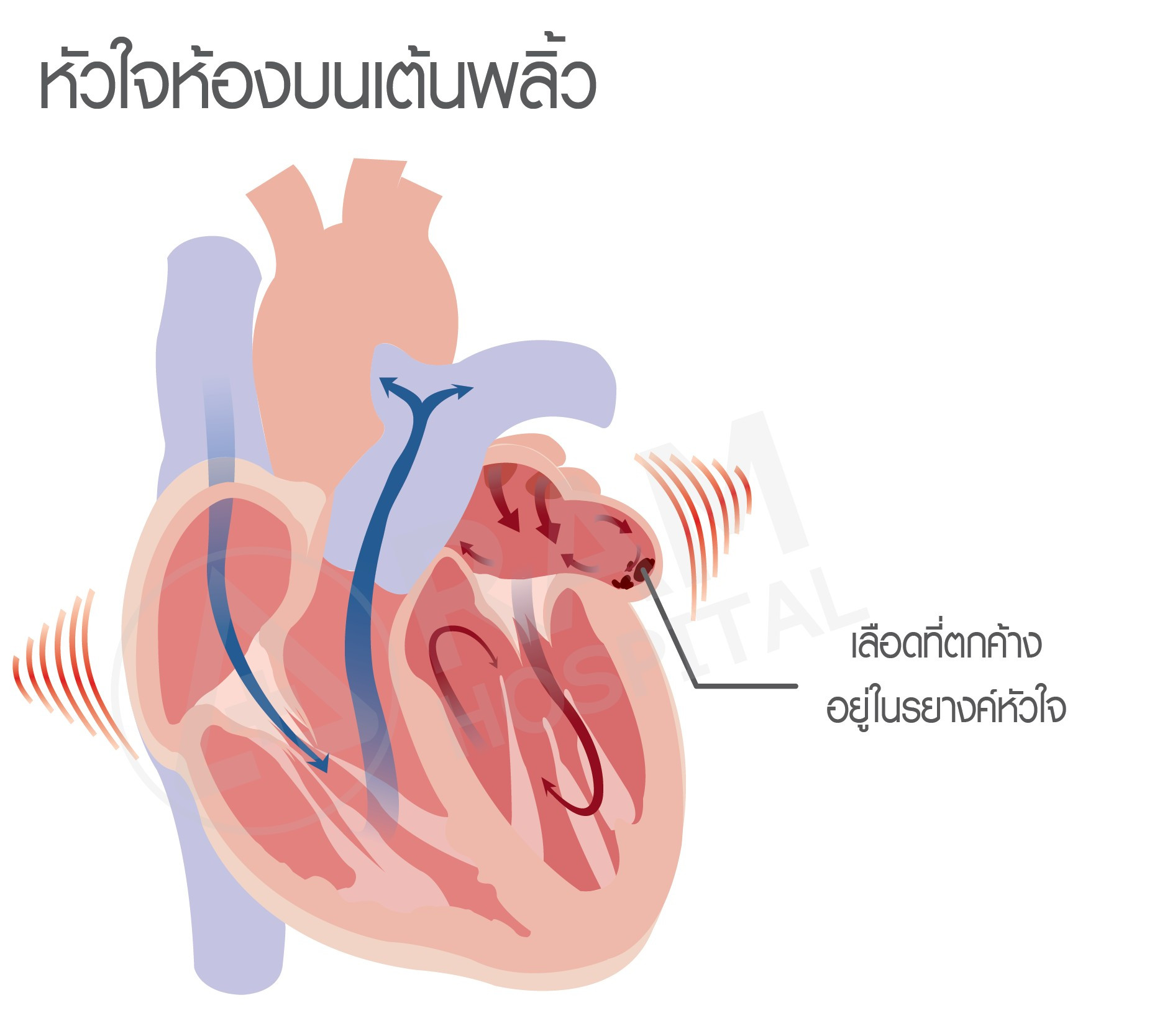
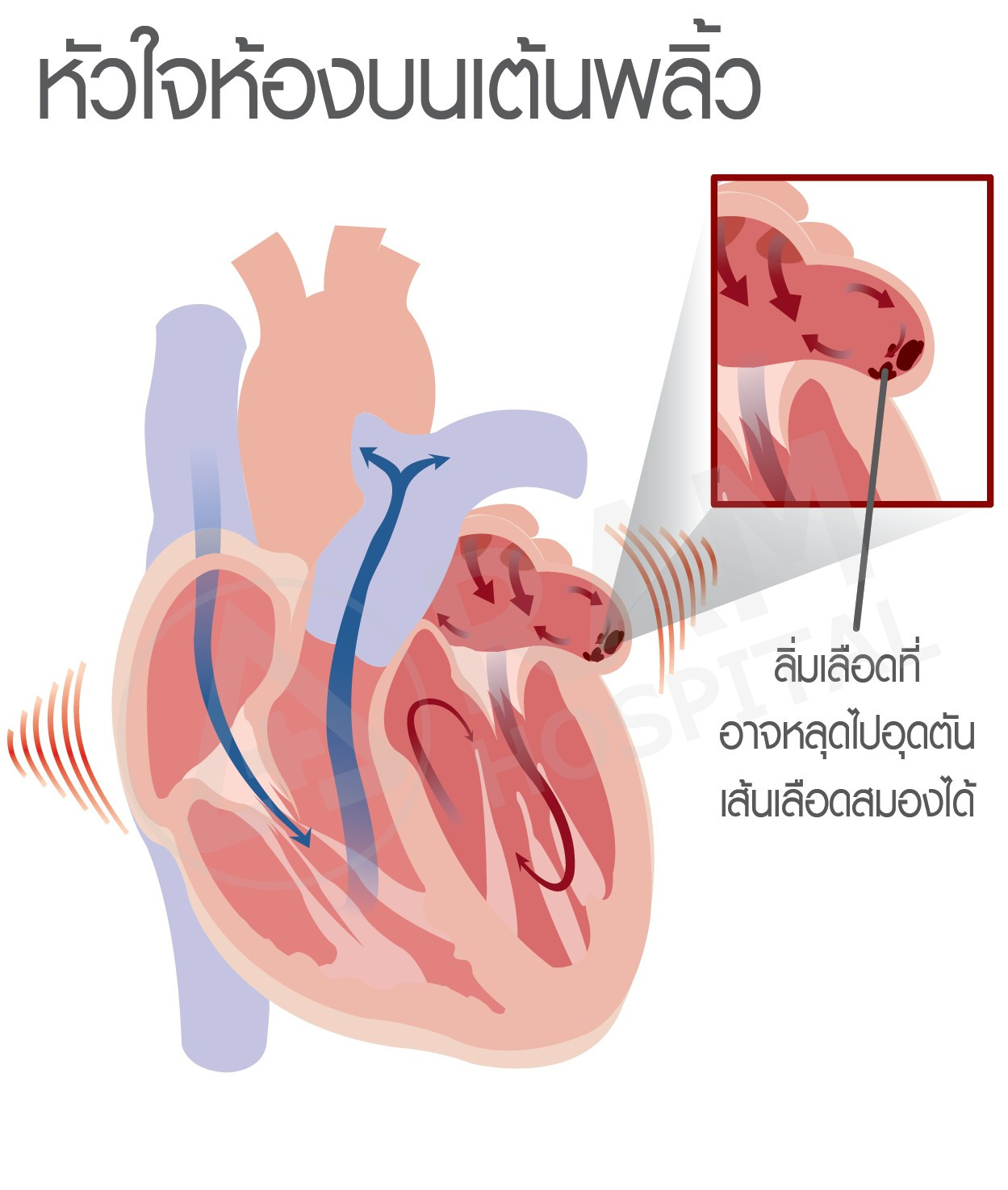
Inside our left atrium, there is a hidden pocket resembling a small pouch. Some describe its shape like a coffee bag or a dog's ear. This structure is called the Left Atrial Appendage (LAA). For individuals with AF (Atrial Fibrillation), the quivering heart causes blood to pool in this small appendage, forming clots that can break loose and block blood flow to the brain, resulting in paralysis or stroke.
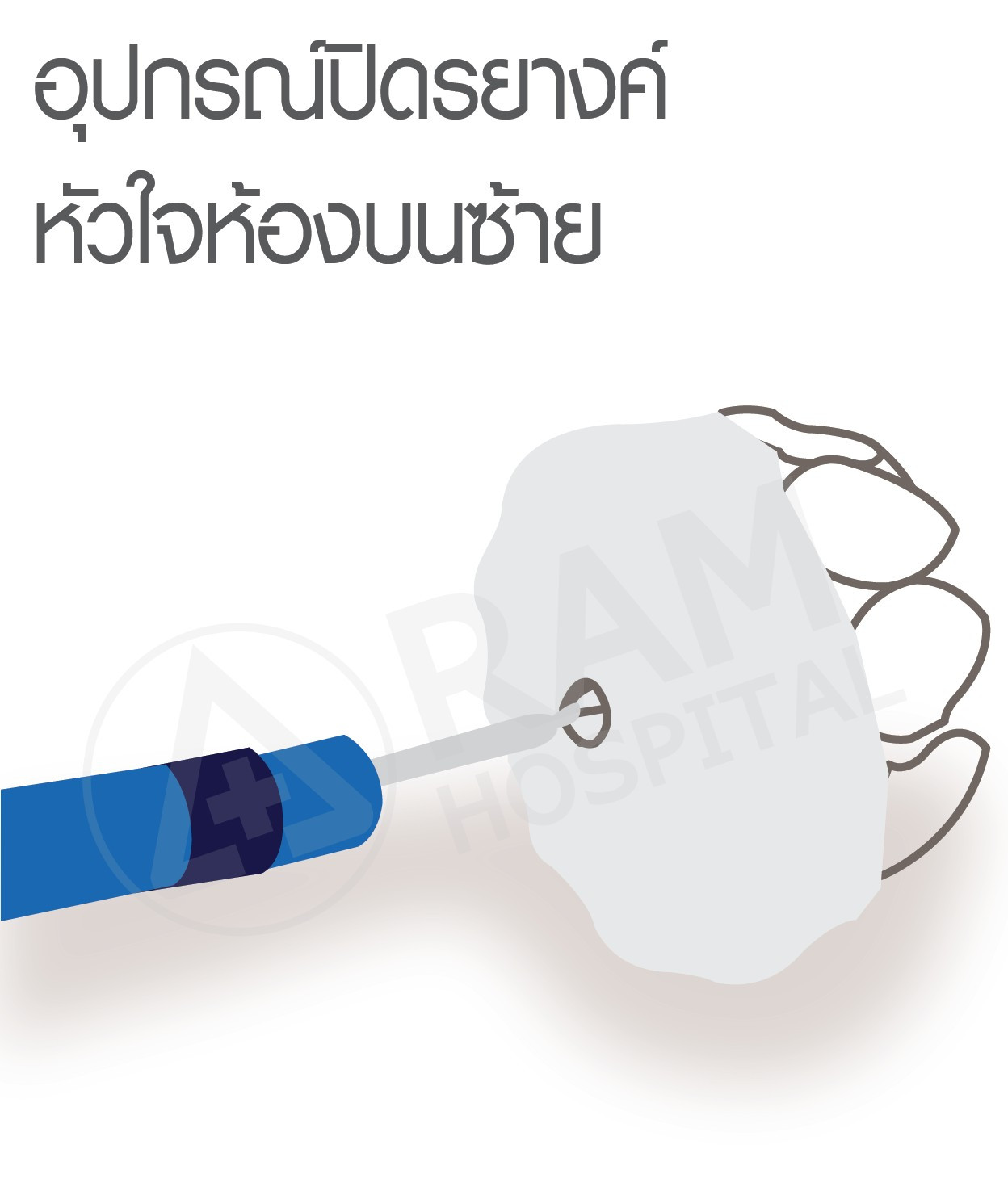
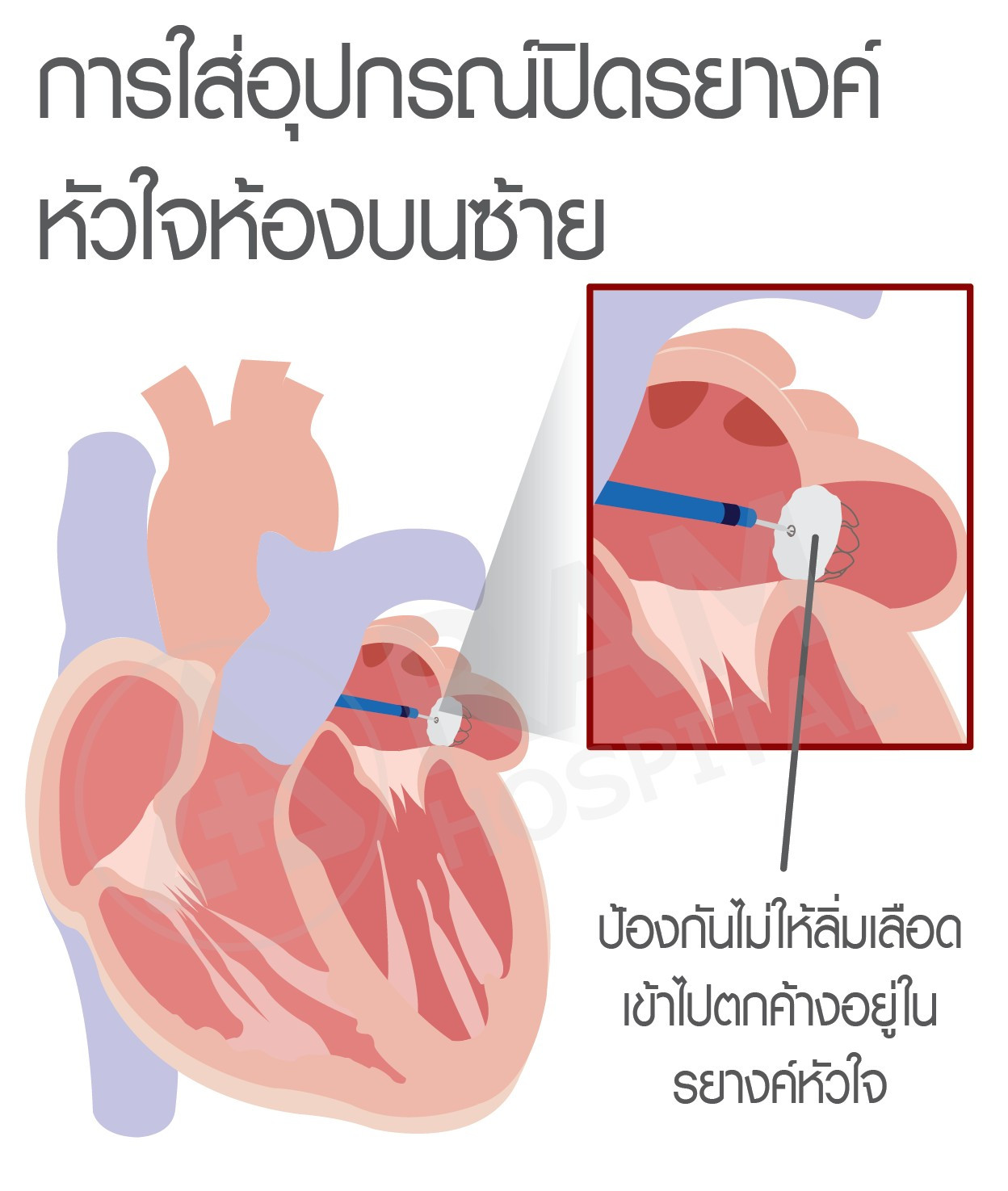
Left Atrial Appendage Occlusion (LAAO) is the process of sealing the heart's appendage using a device like the LAA Occluder. This device looks like a "tiny umbrella" made of a metal alloy frame covered with a special mesh. Doctors deploy this mini umbrella to plug the opening of the LAA, preventing blood from entering and pooling. Over time, the heart grows tissue over the device, eventually creating a smooth, permanent seal.
Doctors perform a small puncture at the groin and insert a catheter carrying the LAA Occluder through the blood vessels to the left atrium. Guided by ultrasound, the physician targets the opening of the LAA, deploys the mini umbrella, ensures it is secure, and then removes the catheter. The entire process takes approximately 1-2 hours (with a 1-night hospital stay for recovery).
Today, medical advancements provide patients with the opportunity for a more convenient and active quality of life.
The introduction of the LAA Occluder or LAA Occlusion is like giving "freedom" back to patients, allowing them to live normally while permanently sealing a deadly door. Although it sounds remarkable, it is a medical procedure with risks (albeit low). Therefore, "Consult a Cardiologist" to evaluate if your heart is a match for this hero. Because investing in your heart health is a life profit that is truly priceless!
Medicine - Cardiology (Heart)
INTERNAL MEDICINE, CARDIOVASCULAR MEDICINE, ELECTRO PHYSIOLOGY
Medicine - Cardiology (Heart)

Cardiology, Cardiac Electrophysiology