Oral contraceptive pills (OCPs)are medications containing female hormones, specifically "Estrogen" and "Progestogen." Currently, they are widely used for contraception, acne treatment, and managing various medical conditions.
Contraceptive Pills and Medical Treatment
Treatment of Menstrual-Related Conditions: Such as heavy menstrual bleeding, irregular cycles, spotting, and dysmenorrhea (period pain).
Gynecological Diseases: Such as ovarian cysts and Endometriosis. Since birth control ingredients affect the vascular system and various organs such as the breasts, cervix, blood lipids, and blood clotting.
Therefore, women taking oral contraceptives should be well-informed and regularly monitor their health as follows:
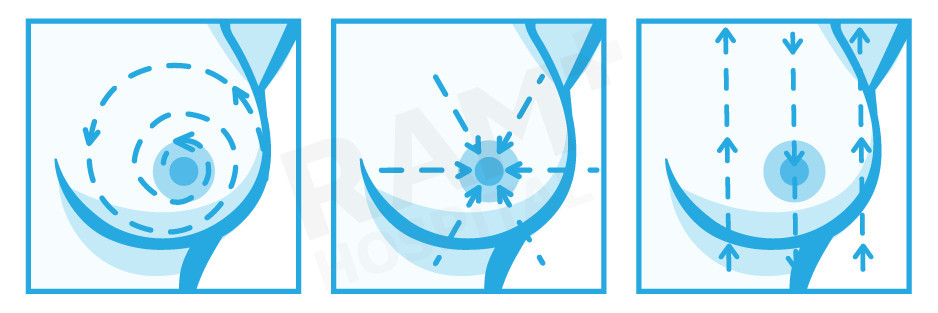
Breast Examination
According to Thailand's cancer statistics from 2013-2015 (Cancer in Thailand Vol. IX, 2013-2015), the incidence of breast cancer is currently increasing among Thai women, most commonly found in those aged 30-70 years.
Risk Factors for Breast Cancer
Factors that increase the risk of Breast Cancerinclude:
Female gender
Advancing age
Family genetic history
Radiation exposure to the chest area
Alcohol consumption
Obesity
Early menstruation (before age 12) or late menopause
Nulliparity (never being pregnant) or having the first child after age 30
It has also been found that taking contraceptive pills slightly increases the risk of breast cancer. Women should be aware of these risks and strive to control manageable factors, such as weight management, regular exercise, and avoiding alcohol consumption.
Doctor's Recommendations
Women are advised to familiarize themselves with their breasts to know what is normal. If any changes are found, such as a lump or nipple discharge, seek medical attention immediately. For unavoidable risk factors, such as having a first-degree relative with breast cancer, using oral contraceptives, or hormone replacement therapy, consult a physician for appropriate guidance.
(Reference: Thanyarak Breast Center, Siriraj Hospital)
Women aged 20 years and over Recommended to perform a Breast Self-Examination (BSE) every month. A mammogram is not necessary for this age group.
Women aged 35 years and over Recommended to perform a Breast Self-Examination (BSE) every month and have a mammogram every 2 years.
Women aged 40 years and over Recommended to perform a Breast Self-Examination (BSE) every month and have a mammogram every year.
Women aged 50 years and over Recommended to perform a Breast Self-Examination (BSE) every month and have a mammogram every 1-2 years.
For those with a family history of breast cancer or a history of chest radiation, consult a physician as a mammogram may be required earlier than usual.
High Risk Group
History of first-degree relatives (mother, sister, or daughter) with breast or ovarian cancer.
Individuals with a history of breast cancer (Invasive cancer or ductal carcinoma in situ).
Individuals who have received radiation therapy to the chest, such as those with Hodgkin’s disease or non-Hodgkin lymphoma.
Individuals with a breast biopsy history showing Atypical ductal hyperplasia or lobular neoplasia.
Individuals who have taken hormone replacement therapy for more than 5 years.
This group should receive Breast Cancer Screening similar to the general population but starting at an earlier age. For example, if a first-degree relative had breast cancer before age 50 or before menopause, screening should begin 10 years earlier than the age the relative was diagnosed and should be performed annually.
Cervical Cancer Screening
Cervical Cancer is the second most common cancer among Thai women.
Risk Factors
Regardless of the type of cervical cancer, the risk is linked to the chance of HPV infection, which is associated with sexual behavior and sexually transmitted diseases (STDs), including:
Early onset of sexual activity – The risk of Cervical Cancer doubles for those who start having sex before age 18 compared to those who start at age 21 or older.
Multiple sexual partners – Compared to having a single partner, the risk doubles for those with 2 partners and triples for those with 6 or more partners. High-risk partners include those with multiple partners themselves or a history of HPV infection.
History of sexually transmitted diseases – Such as Chlamydia trachomatis or genital herpes.
History of cancer or abnormal cells in the vagina or vulva (vulva or vaginal squamous intraepithelial neoplasia or cancer), where HPV is the primary cause.
Immunosuppression – Such as HIV infection.
Age at first pregnancy (under 20 years old) and having multiple children.
Low socioeconomic status
Long-term use of oral contraceptives (5 years or more) – Risk increases with the duration of use and decreases after stopping.
Smoking – Associated with squamous cell cervical cancer, but does not increase the risk for adenocarcinoma compared to non-smokers.
Women with circumcised partners – Found to have a lower risk of developing cervical cancer.
Prevention of Cervical Cancer
Cervical cancer can be prevented in several ways. For clarity, prevention is divided into two levels:
1. Primary Prevention
Preventing the virus from entering the body. This includes methods such as abstinence, having a single sexual partner, and using condoms.
Strengthening Protection with Vaccines
Additionally, HPV vaccination is now available to build immunity against the virus.
Recommended for girls aged 9-12 years, receiving 2 doses (the second dose 6 months after the first). For those aged 12 and over, 3 doses are required (second dose 1-2 months after the first, third dose 6 months after the first). This vaccine can prevent 70-75% of cervical cancers and can be administered up to age 45.
2. Secondary Prevention
Screening to find abnormal cervical cells and treat them before they become cancerous. Methods include the "Pap Smear," which is highly accurate, and HPV DNA Testing, based on the principle that without the virus, cancer will not develop.
Cervical Cancer Screening Recommendations for Thai Women
(Reference: National Cancer Institute, Department of Medical Services, Ministry of Public Health)
Health Check-ups for Women Aged ≥ 35 with Cardiovascular Risks
Weight Management: Control weight to prevent obesity (BMI > 30 kg/m2).
Blood Pressure Monitoring: Studies show that women taking oral contraceptives may experience increased blood pressure, potentially increasing the risk of cardiovascular and cerebrovascular blockages. Therefore, using OCPs in women with Hypertension requires careful consideration of benefits and risks.
Lipid Profile Test: Women with well-controlled blood lipids can use combined oral contraceptives with Estrogen < 35 mcg. However, those with poor control (LDL > 160 mg/dL) or cardiovascular risks should consider progestogen-only pills.
Diabetes Screening: Combined OCPs do not increase the risk of Type 2 diabetes. However, their use should be considered only in women aged < 35 with well-controlled diabetes, who do not smoke, and have no Hypertension, nephropathy, or retinopathy.
Cardiovascular System Examination: Performed by a specialist.
Beyond contraception, oral contraceptive pills are beneficial for treating menstrual issues, acne, and ovarian cysts. They also provide protective benefits against ovarian, endometrial, and Colorectal Cancer.